How Precision Crimping Machines and Ditec Bellows Improve Hose Assembly Reliability
Assembly failures in hoses don’t announce themselves with warning signs. They happen during critical operations, causing downtime that ripples through production schedules. The connection points between hoses and fittings represent the weakest link in most industrial fluid transfer systems. Getting these connections right from the start determines whether your assembly lasts months or years.
The Role of Precision Equipment in Connection Integrity
- Crimping Machine Technology Creates Lasting Bonds: A crimping machine applies controlled radial pressure to permanently attach fittings onto hose ends. This process compresses the ferrule around both the hose and the fitting stem, creating a mechanical bond that holds under extreme conditions. The precision matters because inconsistent pressure leads to weak spots. Modern crimping equipment uses calibrated dies that ensure uniform compression around the entire circumference. This eliminates the gaps where fluids might seep through during high-pressure operations.
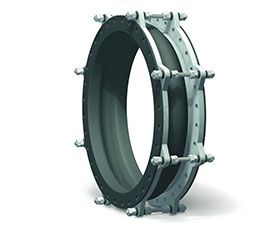
- Ditec Bellows Provide Essential Movement Compensation: Ditec bellows are corrugated metal sleeves that fit over hose assemblies near connection points. These components absorb axial compression, lateral movement, and angular deflection that would otherwise stress the crimped joint. Industrial equipment vibrates during operation. Pumps pulse. Machinery shifts position slightly under load. Without bellows protection, these repetitive movements fatigue the hose material right at the crimped ferrule. The corrugations compress and extend thousands of times without degrading.
Optimising Assembly Techniques for Durability
- Correct Die Selection Prevents Common Failures: Each hose diameter and fitting type requires a specific die size. Using the wrong combination might seem to work initially, but the connection will fail prematurely. Temperature fluctuations cause materials to expand and contract. A properly crimped assembly accommodates these changes without loosening. The ferrule’s grip remains constant even when the system cycles between hot and cold states multiple times per shift.
- Installation Position Determines Protection Level: Placing bellows too far from the fitting reduces their effectiveness. The ideal location is within 50mm of the crimped connection. This positioning intercepts movement forces before they reach the vulnerable transition zone between rigid fitting and flexible hose. Chemical processing plants operate at pressures exceeding 300 bar. Construction equipment hydraulic systems spike during load changes. These pressure surges test every weak point in the hose assembly.
Combined Benefits in High-Demand Environments
- Pressure Resistance Through Proper Assembly: Precision crimping creates a seal rated to the hose’s maximum working pressure. Adding bellows prevents pressure spikes from concentrating stress at the crimp point through micro-movements. The combined approach addresses both static pressure ratings and dynamic stress from system operation. Mobile equipment generates constant vibration that transmits through connected hoses. Even stationary pumps create oscillations that travel along fluid transfer lines.
- Vibration Damping Protects Critical Connections: Consider these protection factors that extend assembly life:
- Bellows absorb 60-70% of vibration energy before it reaches the crimp
- Corrugated design flexes without transmitting force to adjacent components
- Metal construction resists chemical degradation and temperature extremes
- Multiple convolutions distribute stress across the entire bellows length
- Temperature Cycling Resistance: Automotive assembly lines use steam cleaning stations. Food processing facilities alternate between hot CIP cycles and cold production runs. These temperature swings cause hoses to expand and contract repeatedly. A precision crimp maintains its grip through these cycles because the compression remains uniform. Bellows accommodate the length changes that occur during thermal expansion without pulling on the crimped joint. This dual protection proves essential in applications where thermal stress combines with mechanical movement.
Reliable hose assemblies depend on proper crimping technique combined with mechanical stress protection. Precision crimping machines eliminate the guesswork from fitting attachment, creating connections that hold under pressure. Ditec bellows add a layer of flexibility that protects these connections from the vibration and movement present in real-world industrial environments. The upfront investment in quality crimping equipment and protective components pays back through reduced downtime and longer service intervals. Review your current hose assembly process to identify where precision crimping and bellows protection could eliminate recurring failure points. Your maintenance team will notice the difference in replacement frequency.
Featured Image Source: https://www.jreltd.com/images/r4.jpg