Category: Home

Restoring a Water-Damaged Property Safely and Completely

A burst pipe, failed water heater, or storm leak can turn a dry building into a technical emergency within hours. Water moves through flooring, wall cavities, insulation, and contents long after the visible puddle disappears, making a quick but incomplete cleanup risky.

Water Damage Restoration involves controlling the source, assessing contamination, extracting water, drying the structure, cleaning affected materials, and repairing the property. In Centennial and throughout the Denver metro area, sudden temperature shifts, freezing conditions, and intense storms can create both plumbing and exterior water losses.

The safest response is documented and methodical rather than purely cosmetic. Restoration Logistics Centennial can be part of the evaluation process, but property owners should understand what professional restoration includes before authorizing work.

What Water Damage Restoration Actually Involves

Restoration is more than pumping out standing water. A complete project may include:

  • Stopping or isolating the water source.
  • Inspecting the building and identifying hidden saturation.
  • Removing standing and absorbed water.
  • Drying structural materials with air movement and dehumidification.
  • Cleaning, sanitizing, and deodorizing surfaces and contents.
  • Removing unsalvageable materials.
  • Rebuilding drywall, insulation, flooring, cabinets, trim, or other finishes.

Mitigation limits immediate spread and secondary damage. Extraction, temporary roof protection, controlled demolition, and emergency drying are mitigation activities. Restoration returns the property to a safe, functional condition through repairs, replacement, and finish work.

Prompt action matters because wet gypsum board can lose integrity, wood can swell or distort, adhesives can fail, and odors can develop. Damp materials also create conditions favorable to microbial growth. Professional help is particularly appropriate when saturation is widespread, water is contaminated, moisture is concealed, or electrical systems may be affected. Do not enter standing water near energized equipment.

Recognizing the Type and Extent of the Damage

Technicians begin by determining three things: where the water came from, how contaminated it is, and how difficult the affected materials will be to dry.

Common sources include:

  • Burst or leaking supply pipes.
  • Appliance hoses, washing machines, dishwashers, and water heaters.
  • Roof, window, siding, or flashing failures.
  • Storm flooding and groundwater intrusion.
  • Sewer backups and drain overflows.

Visible signs include staining, bubbling paint, swollen trim, warped flooring, damp insulation, musty odors, and unusually high indoor humidity. Concealed moisture may be present behind walls, beneath flooring, inside cabinets, or below appliances. Infrared cameras can help identify temperature patterns associated with moisture, but technicians confirm findings with penetrating and non-penetrating moisture meters.

Water classification affects containment, personal protective equipment, cleaning chemistry, and disposal decisions. Clean supply-line water may be less complex than water from a toilet overflow, while sewage, groundwater, or floodwater can contain pathogens and other contaminants. Porous materials exposed to contaminated water often cannot be reliably restored.

The Restoration Process, From Emergency Response to Drying

1. Initial response and safety check

The first priority is safety. If possible, shut off the water without entering a hazardous area. Technicians assess electrical risks, unstable ceilings, slippery surfaces, structural movement, and potential contamination. In Colorado, winter freezes can cause concealed pipe breaks, while heavy summer storms may introduce exterior water and sediment.

2. Inspection and documentation

A professional assessment maps affected rooms, materials, and levels of saturation. The documentation may include photographs, room measurements, moisture readings, equipment logs, and a written scope. This information supports decision-making and can help an insurer distinguish emergency mitigation from reconstruction.

3. Water extraction

Standing water is removed with submersible pumps, truck-mounted extraction units, portable extractors, or wet vacuums suited to the situation. Residual moisture can be extracted from carpet, upholstery, flooring, and other salvageable contents. Household vacuums should not be used for water removal because of shock and equipment risks.

4. Structural drying and dehumidification

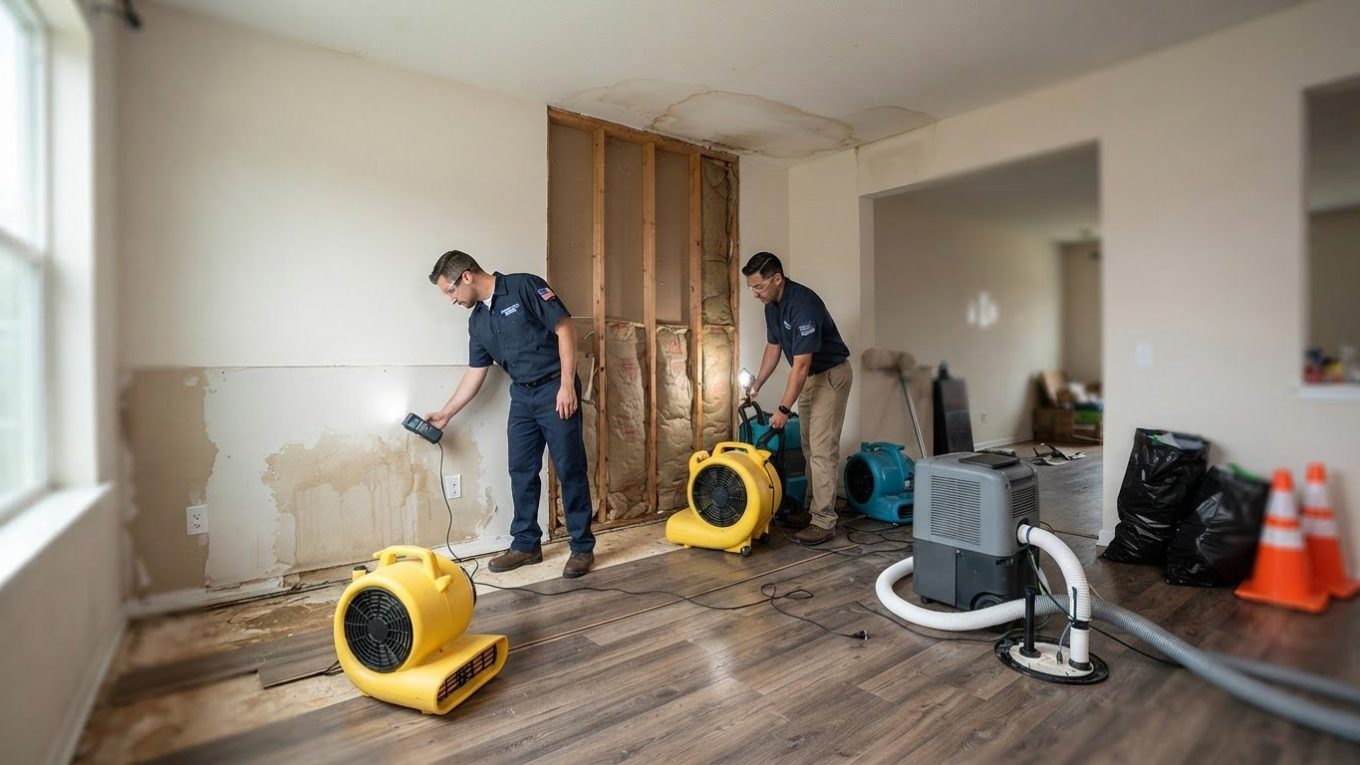
Air movers increase evaporation, while refrigerant or desiccant dehumidifiers remove moisture from the air. Equipment placement depends on room geometry, material type, temperature, humidity, and moisture readings. Technicians monitor walls, subfloors, cabinets, and framing—not just the exposed surface.

Walls may take several days to dry. Limited removal of drywall, baseboards, or insulation may be necessary to ventilate wall cavities and prevent trapped moisture. Drying is complete only when readings approach appropriate dry standards for the material and unaffected areas, not when the surface merely feels dry.

5. Cleaning, sanitizing, and odor control

Cleaning methods must match the water category and affected contents. Work can include detergent cleaning, antimicrobial treatment where appropriate, HEPA vacuuming, air scrubbing, and deodorization. Ozone or other aggressive odor treatments should never substitute for removing contaminated or wet materials and should be used only under controlled professional conditions.

6. Completion verification

Before reconstruction, technicians recheck moisture levels, humidity, and affected assemblies. The final record should identify what was dried, removed, cleaned, or rebuilt. This verification reduces the chance that new flooring or drywall will conceal unresolved moisture.

What Can Be Saved, What May Need Removal, and What Gets Rebuilt

Salvage decisions depend on material porosity, exposure time, contamination, swelling, delamination, structural function, and replacement cost.

  • Hardwood may be dried in place in some cases, although cupping, crowning, or buckling can require specialized treatment or replacement.
  • Trim and cabinets may be salvageable if swelling is limited and contamination is low.
  • Drywall can sometimes be dried, but saturated gypsum, insulation, or material below a contaminated flood line commonly requires targeted removal.
  • Carpet may be cleaned after clean-water losses, while padding often retains moisture and is more likely to be replaced.
  • Furniture and belongings may undergo cleaning, controlled drying, deodorization, pack-out, and secure storage.
  • Subfloors and framing require careful monitoring because they can remain wet beneath finished surfaces.

Demolition should be targeted—not automatic. Moisture mapping, contamination, material condition, and structural risk should support each removal decision. Visible microbial growth or prolonged dampness may require a separate mold assessment and remediation plan. Water cleanup and mold remediation are related but not identical scopes; remediation should follow applicable EPA guidance, OSHA safety practices, and local requirements.

Reconstruction may include drywall and insulation replacement, flooring and trim repair, cabinet or subfloor work, painting, and finish restoration. A qualified contractor should coordinate reconstruction after drying documentation is complete.

Immediate Actions, Costs, and Insurance Questions

Before help arrives:

  • Shut off the water if it is safe to do so.
  • Avoid energized areas, sagging ceilings, and contaminated water.
  • Move undamaged belongings to a dry location without spreading contamination.
  • Use ventilation only when outdoor humidity and contamination conditions make it beneficial.
  • Do not disturb suspected asbestos-containing materials or use ordinary vacuums on contaminated debris.

Costs vary substantially. In the United States, limited clean-water extraction and drying may fall roughly in the $1,000–$4,000 range, while multi-room losses commonly reach $4,000–$12,000 or more. Sewage cleanup, major demolition, contents restoration, structural repairs, and reconstruction can push costs beyond $15,000. These are broad planning figures, not quotes.

Major cost variables include:

  • Water source and contamination level.
  • Square footage, water depth, and exposure duration.
  • Number of rooms and drying difficulty.
  • Equipment quantity and rental duration.
  • Demolition, contents handling, and secure storage.
  • Reconstruction materials and finish quality.

Insurance documentation commonly includes photographs and videos, the cause of loss, moisture readings, equipment logs, itemized scopes, invoices, and receipts for emergency purchases. Homeowners insurance often covers sudden, accidental losses such as a burst pipe, subject to policy terms and exclusions. Gradual seepage, maintenance issues, groundwater, and flood damage may be treated differently; flood coverage is generally a separate policy.

Common questions

Can all water damage be restored?
No. Some materials can be dried and cleaned, but contaminated porous materials, severely swollen assemblies, and structurally compromised components may require removal.

How long does restoration take?
Extraction may take hours. Structural drying commonly requires two to five days, while repairs and reconstruction can extend the project to several weeks.

How quickly can mold develop?
Microbial growth can begin on damp organic materials within roughly 24 to 48 hours under favorable conditions. This is why rapid extraction and controlled drying matter.

Is professional help always necessary?
A small, isolated clean-water spill may be manageable if it is fully removed and the material is verified dry. Professional assessment is safer for hidden moisture, contaminated water, electrical hazards, widespread saturation, or uncertain causes.

An accurate scope and cost require an on-site assessment. The most reliable restoration plan connects emergency mitigation, measurable drying, appropriate cleaning, and documented reconstruction rather than treating visible water as the entire problem.

Essential Tips for Buying a Log Home in Ontario

Essential Tips for Buying a Log Home in Ontario

If we talk about the place, Ontario is known for its beautiful nature. Nothing could be more exciting than owning a log home to enjoy that beauty of nature. You might be interested either in the rustic style look or the eco-friendly features. A log home purchase can be exciting and very fulfilling. However, the process of buying a log home demands caution. Here are a few essential tips to guide you through purchasing a log home in Ontario.

Know the Costs

Buying into the log homes Nova Scotia market requires knowing all the costs you’re going to incur both in buying and maintaining a log home. This may seem attractive on the initial purchase, but do not forget the ongoing costs of maintaining a log home. Log homes require regular periodic maintenance to prevent weathering, pests, and mould. Budgeting on maintenance and repair is also a huge part of the process.

In addition to maintenance, consider property taxes, insurance, and any renovation cost. It is advisable that you seek the opinion of a financial advisor or a real estate agent specializing in log homes to get an accurate picture of your expenses.

Selecting the Right Location

Location is also one of the elements when buying any type of house, and log homes are not any different. Ontario features a wide range of landscapes-from lakefront retreats to wooded areas-and each has its appeal. Before choosing the location, think about the lifestyle you would want. Do you want to have a more peaceful and secluded lifestyle, or are you near the city’s amenities?

Accessibility also relates to the location. Will the log cabin kits in New Brunswick be accessible in all seasons, particularly in winter, when snow and ice may make travel challenging?

Research for Structural Integrity

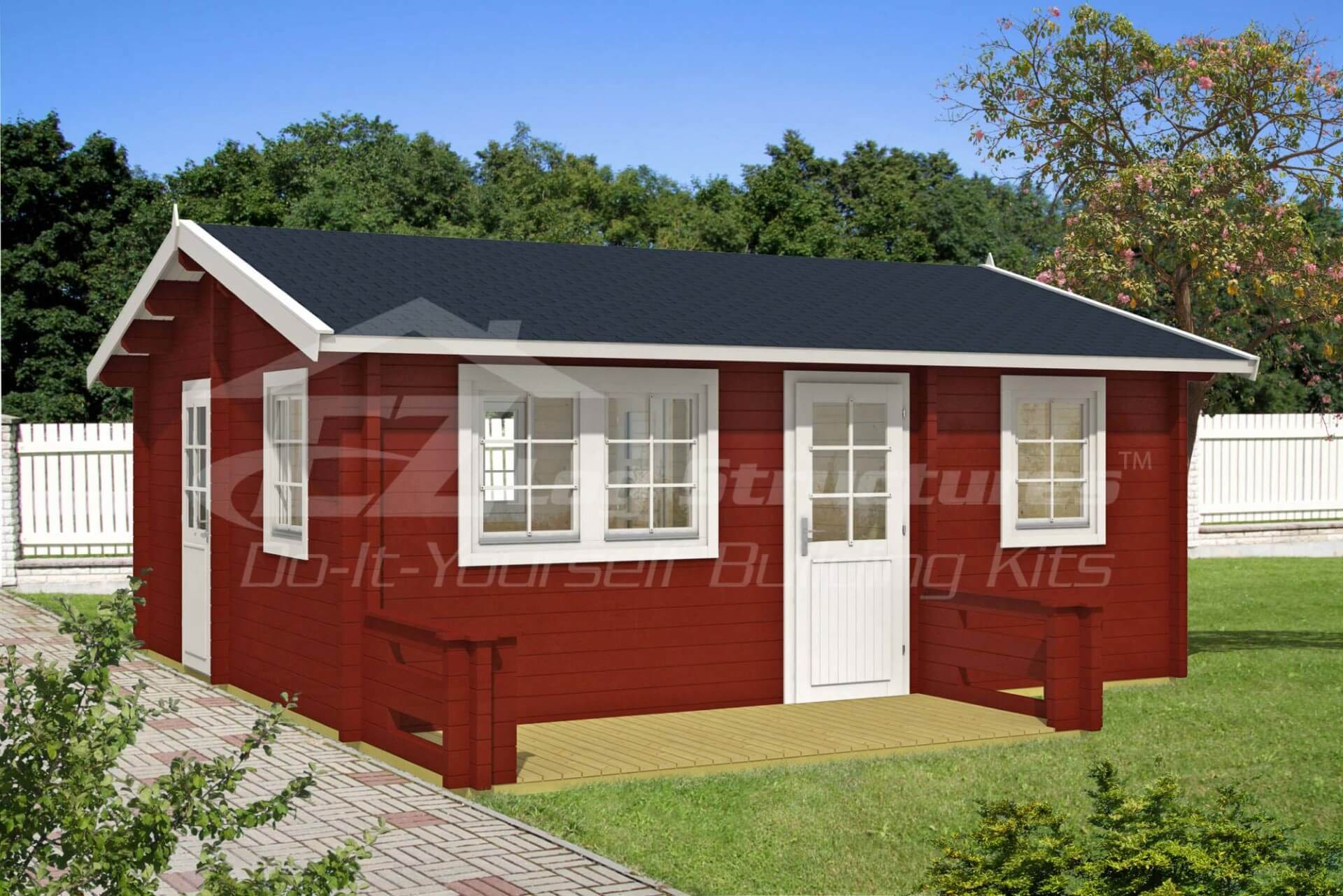
Natural materials can cause many problems with log homes, including settling over time, rot, and pest infestations. Consider inspecting the structural integrity while viewing the property by paying attention to cracked logs or gaps within walls, as well as occasional signs of water invasion.

You should employ an expert who has experience in evaluating log homes to assess the quality of the logs, roof, and foundation. Other services they will inspect include insulation and moisture control so that you can be comfortable throughout the year.

Energy Efficiency

Log homes are energy-efficient in their own right through the thermal mass of the logs, but this means nothing if the house is not sealed and maintained well. Look for signs of drafts, sealing around windows and doors, and poor insulation inside attics or crawl spaces.

Also, the heating and cooling systems in the house should be checked to know if they are energy efficient. Some of these homes have wood stoves, while others have modern HVAC systems. Choose what is best for your needs and budget.

Maintenance Over Long Term

As aforementioned, log houses are more demanding than conventional houses. Determine if you can give this level of dedication. Some common routine maintenance tasks include re-staining or sealing the logs, cleaning the gutters, inspecting for pests, and roof inspection.

If you do not know how to maintain your log home, then you can hire a professional maintenance service that takes you through all these matters and will keep your home in great shape for the long run.

Conclusion

Though buying a log home in Ontario brings a sense of fulfillment that perhaps no other lifestyle offers, it does come along with planning and caution. Thus, the following essential tips will be able to guide you toward making an informed choice about finding the right log home that meets your lifestyle and budget.

Featured Image Source: https://easyupstructures.com/websites/easyupstructures.com/ecommerce/products/115/images/main/Parker.jpg

How to Choose the Perfect Luxury Accommodation in Dandeli for enjoying an Unforgettable Vacation

How to Choose the Perfect Luxury Accommodation in Dandeli for enjoying an Unforgettable Vacation

Picking a perfect place to stay is often just as important as choosing the travel destination itself. Finding an ideal place to stay is always tricky, and most travellers have to wait until they arrive. If well done, however, this may set the tone for a truly unforgettable journey, either for business or delight.

Choosing a luxury resort in Dandeli for the vacation can make a huge difference in making your travel experience amazing by offering unbeatable comfort, privacy, and personalised facilities. Most of these luxury vacation accommodations command panoramic views, tasteful interior decor, and superior amenities to cater to every need. The luxury accommodation in Dandeli would present a private retreat that augments fun and relaxation, turning the experience of your holiday into an unforgettable and decadent affair.

Accommodation Location

There is the advantage of being able to sample different cuisines and local food if you opt for a luxury Dandeli homestay. Knowing the best location for your accommodation can make all the difference between a good and fantastic vacation. You would be closer to attractions, which means you could maximise your time and the experiences that come with it. You can focus on enjoying every minute instead of feeling like you’re wasting precious time travelling.

Accommodation Needs – Recognise Your Own

Determining the best place to stay also involves considering your lodging needs. This includes knowing how much space you need and also the facilities that you require. You would, therefore, have to give considerable thought to things like location, amenities, and money.

Once you know exactly what you want, you can begin your research. Do an online review and look at pictures, then price shop. If you have questions about the property or concerns, don’t hesitate to contact the lodging provider. Remember, it may take some time to find the best match for you, but it will be well worth the time.

Check Reviews of Each Accommodation

Whatever for your work or on a vacation trip, the choice of appropriate lodging is essential to ensure a stay that is comfortable and enjoyable. It really does take some time to figure out which of the many options actually meet your expectations. Reviews come in pretty handy at this stage. Looking through the reviews left by previous guests may give you a better idea with respect to what you can expect when it comes to certain accommodations.

These reviews give forthright comments about location, amenities, and overall experience that are important to you to make the best decision. Take some time and read through the reviews before booking so you may make the correct decision and not have any disagreeable surprises when you get there.

Safety Features to Consider

Ensuring that your home is safe could be done by observing the safety features available, including locks, lighting, and even security cameras. Certainly, all safe homes should have locks, but the addition of lighting and security cameras can let up security and give you peace of mind when investing in these safety features.

Conclusion

When deciding about accommodation, each of the above considerations should be looked into to make sure that a comfortable, enjoyable, best-view and safe stay is booked at your travelling destination. Allowing yourself enough time to plan and research will result in a far less stressful and more successful approach. Whether staying for a short or a long period of time, remember you want this to be a pleasant and memorable experience. You can make certain that this is so by paying ample attention to all the details of your accommodation a good time in advance.

Featured Image Source: https://paramparacottagesdandeli.com/wp-content/uploads/2023/09/Large-Swimming-Pool-1-1024×631.jpg

The Timeless Appeal and Eco-Friendly Charm of Log Cabin Living

The Timeless Appeal and Eco-Friendly Charm of Log Cabin Living

There are many ways in which the log cabin differs from living in a conventional home. Log cabins have, for a long time, captured something of that romance in our hearts, be it warmth, comfort, or closeness to nature. From beautiful Ontario, the log cabin has seen a rebirth of sorts to captivate homeowners and enthusiasts alike. Log cabins are starting to become favorites among those who desire a different and green alternative to living because of the rustic charm and eco-friendly appeal of such a dwelling.

The Allure of Rustic Living

The temptation of rustic living is too great in the time of this fast-moving, modern world. Log cabin is about respite from the concrete jungles and urban chaos-a soothing oasis in the lap of nature. Most people of Ontario consider it a dream to live in log cabins away from the daily grind of life amidst tranquil beauty and picturesque landscapes with which the province is richly bestowed upon. More and more people realize the evergreen attractiveness of log homes in Ontario to take in the natural beauty that is the essence of rustic living for the homeowner to enjoy.

Eco-Friendly Appeal

With increasing environmental awareness, more and more Ontario homeowners are looking into environmentally friendly options such as Log Homes New Brunswick. Log cabins, by nature, are green since logs are renewable resources that tend to have a lower carbon footprint than other conventional building materials such as concrete and steel. Therefore, selecting log cabins for living green matches the principles of eco-friendly living. People are establishing networks of similar-minded individuals dedicated to further advancing the eco-friendliness of log homes so the log cabin can remain a legacy and symbol for living green in Ontario.

Timeless Charm and Unique Aesthetics

Log cabins are imbued with an unmistakable character and stand the test of time quite defiantly. Each log speaks its own story and mirrors the natural patterns and textures within. The character and warmth that seep from the logs make for an inviting atmosphere, unique from cookie-cutter suburban homes. Log homes are about understanding the value of preservation and enhancement of rustic living, which celebrate the natural beauty of log cabins.

Embracing the Cabin Lifestyle

Log cabins’ charm doesn’t end with the construction process of the cabin itself but embodies a lifestyle wherein one lives closer to nature and the outdoors. Owners or log cabin dwellers also think of hiking, fishing, and stargazing as activities that help embrace a life filled with adventure and explorations. Ontario offers a great variety of beautiful landscapes and vast tracts of wilderness; in fact, it is a perfect location where lovers of log cabins can indulge in the rustic and naturistic lifestyle. Outdoor functional spaces that work together in concert with the surroundings for full embracing and enjoyment of the cabin lifestyle.

Log Cabin Space Renovation

Log cabins are full of nostalgia, and today’s property owners often need functional modern living spaces. You can get the log cabin done with interiors, fusing traditional aesthetic with modern functionality. From renovating kitchens and bathrooms to the incorporation of energy-efficient features, the professional team will ensure that log cabins evolve to cater for today’s lifestyle without losing their rustic charm.

Log cabins epitomize the perfect blend of nature and modern living, and most of them are an ideal getaway from city life. Environmentally friendly construction and timeless charm have caught the interest of many homeowners, most especially those hailing from Ontario. Renovations also allow cabins to preserve their country’s look while adding some modern amenities. Log cabins are just testaments to the fact that living in harmony with nature, with sustainability and timelessness, is a style in itself.

Featured Image Source: https://easyupstructures.com/websites/easyupstructures.com/ecommerce/products/30/images/additional/Scarborough_w_preview.png

10 Timeless Home Design Trends That Never Go Out of Style

10 Timeless Home Design Trends That Never Go Out of Style

Home design is the art and science of enhancing the interior and exterior of a home to achieve a healthier and more aesthetically pleasing environment. It encompasses various elements, including architecture, color schemes, furniture, lighting, and layout. The ultimate goal is to create spaces that reflect the homeowner’s personality and lifestyle while maximizing functionality and comfort. 

Good home design considers practical aspects like space utilization and flow, as well as emotional impacts, aiming to make a home feel inviting and harmonious. Professionals in the field, such as interior designers and architects, delve into details like material selection and spatial arrangement to achieve these objectives. Effective home design not only improves the look of a home but also its overall livability and value.

When it comes to home design, trends come and go, but some elements have a staying power that makes them feel fresh and relevant year after year. Whether you’re redecorating or starting from scratch, incorporating these timeless trends can help create a space that remains stylish and functional for years to come. Let’s delve into the ultimate classic design elements that have stood the test of time.

1. Neutral Color Palettes

Neutral colors like whites, grays, and beiges are the backbone of timeless design. They create a serene backdrop that allows other elements to shine and provides flexibility for future changes. Neutral tones also have a calming effect and can make spaces appear larger and more open. To add warmth and depth, consider layering different textures and materials, such as a soft wool rug, a chunky knit throw, or wooden accents.

2. Quality Over Quantity

Investing in high-quality furniture and decor pieces is a hallmark of timeless design. Pieces crafted from durable materials such as solid wood, marble, or leather can withstand the test of time, both in terms of aesthetics and functionality. Quality items not only last longer but also often become cherished heirlooms. When selecting furniture, look for classic silhouettes that won’t go out of style, such as a well-tailored sofa or a sturdy wooden dining table.

3. Classic Furniture Silhouettes

Certain furniture styles have remained popular for decades due to their elegant and versatile designs. Think of the clean lines of a mid-century modern chair, the graceful curves of a Chesterfield sofa, or the stately presence of a traditional wingback chair. These pieces can seamlessly fit into a variety of interior styles, making them a smart choice for any home.

4. Natural Materials

Incorporating natural materials into your home design is another way to ensure longevity. Materials like wood, stone, and wool bring an organic feel to any space and often age beautifully. For instance, a marble countertop or hardwood floor can add a touch of luxury and sophistication. These materials also offer durability, which means they’ll maintain their appeal over time.

5. Simple Patterns and Textures

While bold patterns can be exciting, simple patterns and textures tend to have greater staying power. Subtle stripes, classic checks, or neutral geometric patterns can add visual interest without overwhelming a space. Incorporating various textures, such as a woven basket or a plush velvet cushion, can also enhance the design without relying on fleeting trends.

6. Traditional Lighting Fixtures

Lighting is crucial in home design, and opting for traditional fixtures can add a timeless charm to your space. Consider classic chandeliers, elegant sconces, or brass floor lamps. These fixtures not only provide illumination but also act as decorative elements that enhance the overall aesthetic. Ensure that the lighting fixtures complement your room’s style and provide adequate light for various activities.

7. Architectural Details

Architectural details like crown molding, wainscoting, and built-in bookshelves can elevate a room’s design and add character. These features have been used in homes for centuries and continue to be appreciated for their elegance and functionality. Adding such details can give your home a sense of history and permanence, making it feel well-crafted and timeless.

8. Artwork and Personal Touches

Incorporating artwork and personal items is essential for creating a space that feels both classic and uniquely yours. Choose pieces that resonate with you and have personal significance, whether it’s a vintage painting, a family photograph, or a treasured collectible. Personal touches add warmth and depth to your decor and ensure that your home remains a reflection of your individual style.

9. Functional Layouts

Timeless design emphasizes functionality and flow. Spaces should be arranged in a way that promotes ease of movement and accessibility. A well-thought-out layout ensures that rooms serve their intended purpose efficiently, whether it’s a cozy living room, a practical kitchen, or a serene bedroom. Prioritize layouts that cater to your lifestyle and adapt well to changing needs over time.

10. Greenery and Natural Elements

Incorporating plants and natural elements into your home design can enhance the space’s timeless appeal. Indoor plants, fresh flowers, and natural textures like wood and stone add vitality and a sense of connection to the outdoors. Greenery can also improve air quality and bring a refreshing element to any room.

Featured Image Source: https://cdn.pixabay.com/photo/2017/08/10/05/18/home-2618511_640.jpg