Category: Health

More Than Aesthetics: The Health Benefits of Breast Reshaping Procedures

More Than Aesthetics: The Health Benefits of Breast Reshaping Procedures

Many women believe breast reshaping procedures are purely cosmetic choices. This misconception prevents countless individuals from seeking relief from debilitating physical symptoms. Large breasts can create a cascade of health problems that affect daily life, work performance, and overall well being.

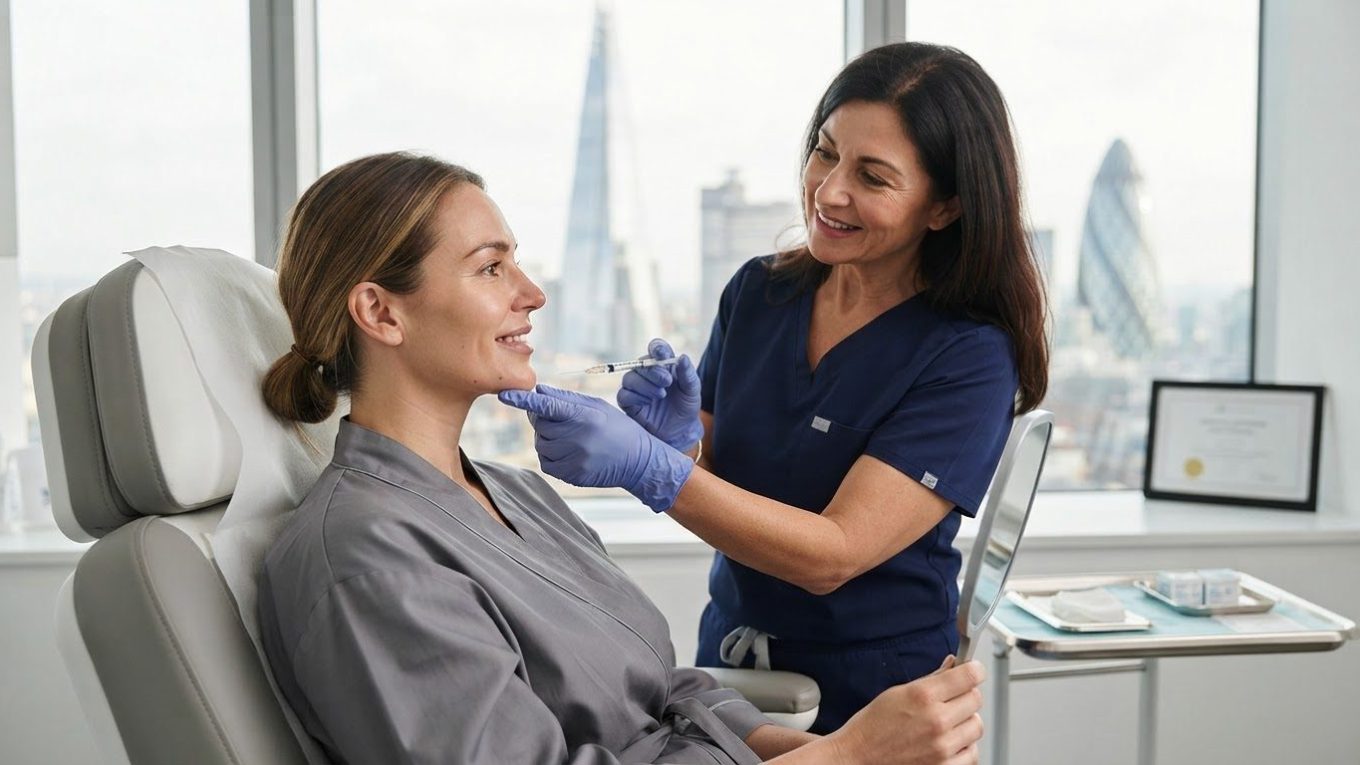
Qualified surgeons performing breast surgery in London witness remarkable transformations in their patients’ physical health. The relief extends far beyond appearance, addressing years of accumulated pain and discomfort. These procedures can fundamentally change how patients move through their daily routines, often eliminating chronic conditions that have persisted for years.

Patients seeking breast reduction in London frequently report immediate improvements in their physical comfort levels. The weight reduction alone can eliminate years of compensatory movement patterns that have created secondary health issues. This surgical intervention addresses root causes rather than merely managing symptoms through temporary solutions.

Physical Relief and Pain Management

  • Chronic Pain Elimination: Excess breast tissue creates constant strain on the spine, shoulders, and neck muscles. The human body compensates for this imbalance by adjusting posture, which leads to muscle tension and chronic pain conditions. Women with large breasts often develop forward head posture and rounded shoulders, creating a domino effect of musculoskeletal problems.
  • Postural Improvement Benefits: Removing excess breast weight allows the spine to return to its natural alignment. The shoulders can settle back into their proper position, reducing the strain on supporting muscles. This correction often eliminates headaches, neck stiffness, and upper back pain that patients have endured for years.
  • Sleep Quality Enhancement: Heavy breasts can make finding comfortable sleeping positions nearly impossible. Many women wake up with aches and pains from trying to support their breasts during sleep. After reduction surgery, patients often report their first full night’s sleep in years, leading to improved energy levels and mental clarity.

Mobility and Exercise Benefits

  • Enhanced Physical Activity: Large breasts can severely limit participation in physical activities and sports. The discomfort and self-consciousness prevent many women from engaging in regular exercise routines. This limitation contributes to weight gain, cardiovascular problems, and decreased muscle strength over time.
  • Improved Range of Motion: Simple activities like reaching overhead, bending forward, or lifting objects become easier after breast reduction. The improved range of motion allows patients to perform household tasks, work duties, and recreational activities without pain or restriction.
  • Exercise Participation Increase: Many patients discover they can finally participate in activities they’ve avoided for years. Running, yoga, swimming, and team sports become accessible options. This increased activity level contributes to overall health improvements, including better cardiovascular fitness and stronger core muscles.

Skin Health and Comfort Improvements

  • Elimination of Skin Irritation: Large breasts often cause persistent rashes, chafing, and fungal infections in the breast fold area. The constant moisture and friction create ideal conditions for bacterial growth. These recurring skin problems can be painful and embarrassing, requiring ongoing medical treatment.
  • Bra Strap Groove Relief: Deep grooves in the shoulders from heavy bra straps are a common complaint among women with large breasts. These indentations can become permanent over time and often cause nerve irritation. The pressure from carrying significant weight on narrow straps creates ongoing discomfort throughout the day.
  • Reduced Hygiene Challenges: Maintaining proper hygiene becomes easier when there’s less breast tissue to manage. The reduction in skin folds decreases the risk of bacterial infections and makes daily care routines more manageable.

Psychological and Emotional Wellbeing

  • Confidence in Physical Activities: The physical discomfort from large breasts often leads to avoidance of social activities and exercise. This isolation can contribute to depression and anxiety. When physical symptoms improve, patients often experience renewed confidence in their ability to participate in life activities.
  • Reduced Self-Consciousness: Many women with disproportionately large breasts feel constant awareness of their appearance. This self-consciousness can affect professional interactions, social relationships, and personal comfort levels. The reduction in breast size often leads to improved self-esteem and social confidence.
  • Body Image Improvement: While not purely aesthetic, the alignment between body proportions and personal comfort preferences contributes to overall mental health. Patients often report feeling more comfortable in their own skin after addressing the physical discomfort associated with large breasts.

Professional and Daily Life Impact

  • Work Performance Enhancement: Chronic pain and discomfort can significantly impact job performance and career advancement. Women with large breasts may avoid certain career paths or struggle with tasks that require physical activity. The elimination of these barriers can open up new professional opportunities.
  • Clothing and Fashion Freedom: Finding properly fitting clothing becomes much easier after breast reduction. Professional attire, exercise wear, and casual clothing options expand significantly. This improved wardrobe accessibility can boost confidence in both personal and professional settings.
  • Travel and Activity Comfort: Long flights, car rides, and extended periods of sitting become more comfortable without the weight and bulk of excessively large breasts. This improvement in travel comfort can enhance both business and leisure opportunities.

Long-term Health Considerations

  • Spinal Health Protection: Addressing the weight imbalance early can prevent long-term spinal problems. The chronic forward posture associated with large breasts can lead to disc problems, arthritis, and permanent spinal deformities if left untreated.
  • Cardiovascular Benefits: The increased ability to exercise and maintain an active lifestyle contributes to better cardiovascular health. Regular physical activity becomes possible when movement is no longer restricted by breast size and associated discomfort.
  • Preventive Health Measures: Some women choose reduction surgery to make breast self-examinations easier and more effective. Smaller breasts are easier to examine thoroughly, potentially improving early detection of any concerning changes.

Recovery and Adaptation Process

  • Immediate Relief Factors: Many patients experience immediate relief from neck and shoulder pain once the surgical swelling subsides. The elimination of bra strap pressure and upper back strain often provides noticeable comfort within weeks of surgery.
  • Gradual Mobility Improvements: While initial recovery requires rest and limited activity, patients typically notice improved range of motion and comfort levels as healing progresses. The ability to sleep comfortably often returns within the first few weeks.
  • Long-term Adaptation Benefits: The body gradually adapts to the new weight distribution, leading to improved posture and reduced compensatory movement patterns. Many patients report continued improvements in comfort and mobility for months after surgery.

Addressing Common Concerns

  • Recovery Time Considerations: While recovery does require time away from normal activities, many patients find the temporary inconvenience worthwhile for the long-term health benefits. The healing process typically allows for return to most activities within 4-6 weeks.
  • Surgical Safety Factors: Modern surgical techniques have significantly reduced risks associated with breast reduction procedures. When performed by qualified surgeons, the safety profile is excellent, and patient satisfaction rates are consistently high.
  • Insurance Coverage Possibilities: Many insurance plans cover breast reduction surgery when it’s deemed medically necessary. Documentation of physical symptoms and failed conservative treatments can support coverage approval for qualifying patients.

Making Informed Decisions

  • Consultation Importance: A thorough consultation with a qualified surgeon helps determine if breast reduction would address specific health concerns. The evaluation process includes assessment of symptoms, physical examination, and discussion of realistic expectations.
  • Alternative Treatment Evaluation: Conservative treatments like supportive bras, physical therapy, and pain management may provide temporary relief but often fail to address the underlying cause. Surgical intervention becomes appropriate when conservative measures prove insufficient.
  • Quality of Life Assessment: The decision should consider how breast size affects daily activities, career goals, and overall life satisfaction. Many patients wish they had addressed their concerns sooner rather than enduring years of discomfort.

Conclusion

Breast reshaping procedures offer far more than cosmetic improvements for women experiencing physical discomfort from large breasts. The elimination of chronic pain, improved mobility, and enhanced quality of life make these procedures valuable medical interventions rather than purely aesthetic choices. The comprehensive health benefits extend to every aspect of daily living, from professional performance to recreational activities. If you’re experiencing physical symptoms related to breast size, consult with a qualified surgeon to explore your options and determine if surgical intervention could improve your health and wellbeing.

Featured Image Source: https://img.freepik.com/free-photo/breast-screening-is-very-important-every-woman_329181-14953.jpg

The Science Behind Spiritual Meditation: How Stillness Heals

The Science Behind Spiritual Meditation: How Stillness Heals

Scientific research reveals that spiritual meditation triggers measurable changes in brain chemistry, reduces stress hormones, and activates healing mechanisms that conventional medicine is only beginning to understand.

Your mind races through another sleepless night. Anxiety grips your chest like a vice. The prescription bottles on your nightstand promise relief, but something deeper calls for healing. Perhaps the ancient practice of sitting in stillness holds answers that modern medicine overlooks. People across cultures have known this for centuries, yet science is just catching up to what practitioners have felt all along.

What is spiritual meditation might sound mysterious to skeptics, but researchers now map its effects with precision instruments. Brain scans show remarkable changes during deep states of spiritual contemplation. The prefrontal cortex lights up differently. Neural pathways reshape themselves. What once seemed like wishful thinking now appears in peer-reviewed journals with data that demands attention.

Mindful stress reduction through spiritual practice creates measurable shifts in cortisol levels within weeks of consistent practice. Your body doesn’t distinguish between ancient wisdom and modern techniques. It responds to stillness the same way it has for thousands of years. The parasympathetic nervous system activates, shifting you from fight-or-flight into rest-and-repair mode.

The Nervous System Response

Your autonomic nervous system controls functions you never think about. Heart rate, breathing, digestion, immune response. When spiritual meditation begins, something profound happens in this automatic control center. The sympathetic branch, responsible for stress responses, gradually quiets down. Blood pressure drops. Heart rate variability improves in ways that cardiologists find remarkable.

Dr. Herbert Benson’s research at Harvard Medical School documented what he called the “relaxation response.” This physiological state appears during deep meditation and prayer. Oxygen consumption decreases by up to 17 percent. Brain waves shift into alpha and theta patterns associated with healing and creativity. The body literally changes its operating system.

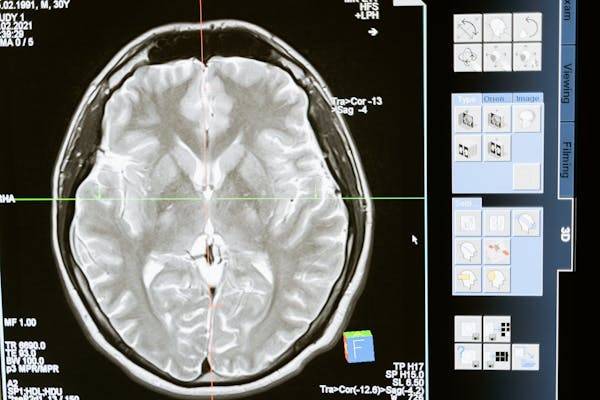
Studies using functional MRI scans reveal increased activity in the anterior cingulate cortex and prefrontal regions. These areas govern emotional regulation and attention. Regular practitioners show thicker gray matter in regions associated with learning and memory. The amygdala, your brain’s alarm system, becomes less reactive to perceived threats.

Hormonal Changes and Healing

Cortisol floods your system during chronic stress, breaking down tissue and suppressing immune function. Spiritual meditation practice reverses this destructive cycle. Cortisol levels drop significantly after just eight weeks of regular practice. DHEA, often called the “youth hormone,” increases. Growth hormone production improves, supporting cellular repair and regeneration.

The pineal gland, once dismissed as vestigial, produces more melatonin during deep spiritual states. This hormone regulates sleep cycles and acts as a powerful antioxidant. Some researchers suggest that extended meditation activates dormant functions in this small but important brain structure. The effects ripple through every system in your body.

Inflammation markers decrease measurably in regular practitioners. C-reactive protein, interleukin-6, and tumor necrosis factor-alpha all show improvement. Your immune system strengthens while inflammatory responses calm down. This might explain why meditators report fewer illnesses and faster recovery times from injuries or surgery.

Cellular and Genetic Impact

Telomeres cap the ends of chromosomes like plastic tips on shoelaces. They shorten with age and stress, contributing to cellular aging and disease. Research shows that meditation practice can slow telomere shortening and even increase telomerase activity. Your cells literally age more slowly when you maintain a regular spiritual practice.

Gene expression changes occur within hours of deep meditative states. Genes associated with inflammation turn down their activity. Genes supporting cellular repair and stress resilience become more active. Epigenetic modifications can last for months after a single intensive retreat experience. Your DNA responds to consciousness in ways that seem almost magical.

Mitochondria, the powerhouses of your cells, function more efficiently in regular meditators. ATP production increases. Oxidative stress decreases. The cellular environment becomes more alkaline and less prone to disease. These microscopic changes accumulate into profound shifts in overall health and vitality.

Brainwave Patterns and Consciousness

EEG readings during spiritual meditation reveal distinct brainwave signatures. Beta waves, associated with normal waking consciousness, give way to alpha rhythms. Theta waves emerge during deeper states, similar to those seen in REM sleep and creative inspiration. Some advanced practitioners generate gamma waves linked to heightened awareness and compassion.

Coherence between different brain regions increases dramatically. The left and right hemispheres synchronize their electrical activity. This whole-brain coherence correlates with reports of unity consciousness and transcendent experiences. Perhaps these subjective states have objective neurological foundations that science is beginning to measure.

The default mode network, active during mind-wandering and self-referential thinking, shows decreased activity. This reduction in internal chatter corresponds to feelings of peace and connection. The ego’s constant commentary quiets down, allowing deeper aspects of consciousness to emerge.

Pain Reduction and Physical Healing

Chronic pain sufferers often find relief through spiritual meditation practices. Brain imaging shows changes in pain processing centers. The anterior cingulate cortex and thalamus respond differently to pain signals. Your relationship with discomfort shifts even when the physical sensation remains present.

Inflammatory conditions like arthritis, fibromyalgia, and irritable bowel syndrome improve with regular practice. The mind-body connection operates through measurable biochemical pathways. Spiritual states trigger cascades of healing molecules throughout your system. What mystics described as divine healing may operate through very earthly mechanisms.

Wound healing accelerates in meditators. Blood flow increases to damaged tissues. Growth factors release more readily. The stress response that normally impairs healing gives way to parasympathetic restoration. Surgery patients who meditate recover faster and require less pain medication.

Long-term Practitioners Show Remarkable Changes

People who have meditated for decades display brain characteristics that seem almost superhuman. Compassion centers show extraordinary development. Emotional regulation surpasses normal ranges. Some show cognitive abilities that remain sharp well into advanced age, defying typical patterns of mental decline.

Tibetan monks studied at the University of Wisconsin generated gamma waves of unprecedented amplitude during loving-kindness meditation. Their brain activity spiked 700–800 percent above baseline in regions associated with positive emotions. These findings suggest that consciousness itself might be trainable in ways previously thought impossible.

Heart rate variability in advanced practitioners reaches levels typically seen only in elite athletes. Their nervous systems demonstrate remarkable flexibility and resilience. Stress recovery happens faster. Baseline states of calm and contentment become the new normal rather than peak experiences.

Integration with Modern Medicine

Progressive healthcare providers now prescribe meditation alongside conventional treatments. Oncology centers offer mindfulness programs. Cardiac rehabilitation includes contemplative practices. The integration accelerates as research validates what patients experience firsthand.

Some hospitals employ chaplains trained in evidence-based spiritual interventions. Prayer and meditation rooms become standard features in healing environments. The sterile separation between medical and spiritual care slowly dissolves as practitioners recognize their complementary effects.

Cost-effectiveness studies show impressive results. Meditation programs reduce healthcare utilization and costs. Emergency room visits decrease. Prescription drug usage drops. The economic argument for spiritual wellness programs becomes harder to ignore.

Conclusion

Science continues to reveal the profound healing mechanisms activated through spiritual meditation. Your body possesses innate wisdom that responds to stillness and contemplation. The benefits extend far beyond stress relief into fundamental improvements in health and wellbeing.

Research validates what spiritual traditions have taught for millennia. Consciousness and biology interweave in ways that modern medicine is just beginning to appreciate. The laboratory of your own direct experience remains the most convincing proof of spiritual practice’s healing power.

Start with just ten minutes daily. Sit quietly and focus on your breath. Notice the subtle changes that occur as your nervous system shifts into restoration mode. Your body knows how to heal when given the right conditions.

Featured Image Source: https://img.freepik.com/free-photo/woman-sitting-yoga-pose-beach_1098-1454.jpg

When to See a Cardiologist? Signs You Shouldn’t Ignore

When to See a Cardiologist? Signs You Shouldn’t Ignore

Much like a small engine, the heart works hard to keep us running every moment. However, like any engine, it requires regular service, check-ups, and sometimes urgent attention. The trouble with that? For some, the warning signs are often ignored until it is too late.

Then how will you know exactly when to visit the best cardiologist in Ranchi? Let’s break it down step-by-step.  

1. Discomfort in the chest is to be taken other than mere heartburn

If it feels like some old, weird tightness, pressure, or heavy burden is weighing your chest down, this is no spicily seasoned food haunting you, in fact, it is chest discomfort, especially when recurrently coming and typically painless or worsens with activity. At least you remain conscious of the discomfort in your chest—you ought to be checked out.

2. Shortness of breath-not a mere condition of unfitness

Climbing stairs should not be similar to a marathon run. If you huff and puff too much after the minimal exertion, your heart may have difficulties pumping blood efficiently. In severe conditions, waking up with a gasping breath could be a sign of heart failure.

3. Lightheadedness or fainting- the heart signals for “help”  

Lightheadedness or fainting is not just a dramatic showing; it is something that indicates that your heart is not pumping enough blood to your brain and is an essential red flag. Therefore, one should not dismiss such conditions as arising just because of “dehydration” unless verified by a doctor.

4. Hypertension – The Silent Culprit

Hypertension rarely presents with symptoms, hence its classification as a “silent killer.” When readings are persistently high, your heart will be forced to work hard, increasing the risk of heart attack and stroke. A cardiologist will support you in managing that before it escalates.

5. Irregular Heartbeat – Skipping More than One Beat

An occasional skipped beat from stress or caffeine may not be a big deal. However, it could be an arrhythmia if it races, flutters, or does a little dance without any prompting. Some arrhythmias are innocuous, while others can be life-threatening. It would be best to have it checked.    

6. Family History – Some Genetics Play a Role

Any time your family has a history of heart disease, it must set off alarm bells. Genetics can make you more susceptible even if you eat a healthy diet and exercise regularly. A cardiologist will be able to assess your risk factors and recommend ways to protect yourself.

7. Smoking – Bad for the Heart

Smoking is the greatest enemy of the heart. Even if you quit smoking, the damage already may put you at risk. Regular checkups from the cardiologist can nip future problems in the bud.

Final Thoughts: Listen to Your Heart (Literally)

Your heart doesn’t have a lighted warning system like your car does, but it sends clear signals when in grief. The trick is to listen. If anything feels “off,” don’t ignore it or write it off as ageing, stress, or a busy life. A visit to a cardiologist may seem unnecessary, but once detected, heart problems can spare you a great deal of trouble later.

Featured Image Source: https://images.pexels.com/photos/5206956/pexels-photo-5206956.jpeg

Your Essential Guide to Preparing for LASIK Surgery

Your Essential Guide to Preparing for LASIK Surgery

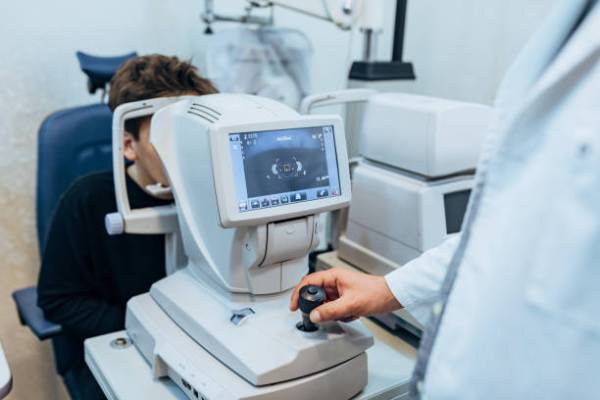
LASIK surgery can be a life-changing step toward improved vision. However, you need to be prepared for the procedure by following the pre-surgery instructions offered by your Northridge optometrist to enhance recovery and success. This guide offers essential steps to follow before your LASIK surgery.

Follow the Guidelines

Adhere to the pre-surgery guidelines given by the Northridge optometrist in order to ensure a successful surgery and recovery. It’s suggested that you stop wearing contact lenses for a specified period before undergoing the procedure, as it can alter the shape of your cornea and also affect surgical outcomes. You may switch to glasses to allow the cornea to return to its natural shape.

Also, make sure that you arrange transportation to and from the clinic on the day of LASIK surgery, as you may not be able to drive immediately after the procedure. Ensure that you follow the medication guidelines provided by the doctor, including the prescribed eye drops.

It is also recommended that you refrain from wearing lotions, makeup, and perfumes on the day of the LASIK procedure, as they can introduce contaminants. Following these instructions will help you create the perfect conditions for your surgery, thus improving the chances of excellent visual results.

Checklist Essentials

Having a checklist of all the essentials will streamline your preparation process. So start by verifying the appointment details, such as location and time. As mentioned before, arrange transportation, as driving after the procedure is not advised. You can review the list of pre-surgery instructions given by your ophthalmologist, like avoiding makeup and lotions on the day of surgery or avoiding contact lenses for a specific period. Also, the prescribed medications or eye drops should be collected.

Wear comfortable clothing on the day of the procedure so that you can be as relaxed as possible. Also, ensure that all your doubts and questions are addressed before the procedure. You may have a final discussion with the ophthalmologist so that you feel organized and well-prepared by minimizing stress and having a smooth LASIK experience.

Preparing for Vision Correction

Understand the procedure and set realistic expectations. Mentally prepare yourself by acknowledging any fears or concerns you may have by discussing them with your doctor. This can provide you with clarity. Also, ensure that your schedule allows you to rest after the procedure since healthy recovery is essential for the best results.

Make sure you arrange the necessary support at home if needed, especially in cases you require assistance. These comprehensive steps will enhance your readiness for the LASIK surgery experience.

Tips to Follow on the Day of Surgery

Arrive at the location prepared and relaxed in order to ensure a smooth experience. Dress comfortably and bring any necessary documentation or instructions provided by your doctor. Also, get your identification and insurance information. You can also prepare yourself mentally by practicing deep breathing to alleviate anxiety.  

Conclusion

By taking these basic guidelines and advice, you will be positioning yourself for a successful LASIK procedure and recovery. Sticking to pre-surgery advice, staying organized, and preparing your mind for the procedure will help make sure that you obtain optimal results.

Featured Image Source: https://media.istockphoto.com/id/1358751610/photo/ophthalmologist-doctor-in-exam-optician-laboratory-with-young-male-patient.jpg?b=1&s=612×612&w=0&k=20&c=A-S3Eks_YwTwSeFoYDlZgtudfS8k_WYOn3C4gqOUw-Y=

The Ultimate Checklist for Finding the Best Dental Clinic in Mohali

The Ultimate Checklist for Finding the Best Dental Clinic in Mohali

Picking the dental clinic is one crucial decision that can influence your oral health and general well-being. If it is basic dental care, cosmetic surgery, or advanced treatments, then picking a good dental clinic in Mohali offers you value-added care. Since so many practices are available, choosing the right one can be very frustrating.

A decent dental clinic should have a caring staff, advanced treatments, and a clean and relaxed setting. The best dental care provider does not come down to a single factor; rather it is a collection of many ranging from skilled staff to modern infrastructure.

To help you choose wisely, we have done the research and have come up with the ultimate checklist regarding Mohali dental clinics. This checklist will serve as a guide that covers all your bases before you book a dental appointment.

Expertise and Qualifications of the Dentist

Of all issues of concern when selecting a dental clinic in Mohali, the expertise and qualifications of the dentists are the most important. A qualified and experienced dentist guarantees professional and practical care.

Before picking a clinic, ensure that you perform a background check on the dentists who work there. Ensure they possess a reputable school attendance record and some specialised training in their field such as orthodontics, cosmetic dentistry, implantology, or even pediatric dentistry. A more skilled dentist will always be able to deal with complicated issues and give customised solutions based on your complex needs.

In addition, also check for marks of recognition and membership in reputable dental associations like the Indian Dental Association (IDA). As a rule of thumb, a dentist who updates their practice and knowledge regularly is more competent and will definitely provide better service.

Scope of Services Available

When looking for a dental clinic, ensure that they cover all services in a single package, offering the best clinic. From routine cleanings, fillings, and root canals to dental implants, and comprehensive cosmetic dentistry like teeth whitening, and veneer placing, the clinic should meet all your dental needs.

If you need child dentistry, or orthodontist services for overbites or other misaligned teeth conditions, then check to see if the clinic specialises in those areas. Having a one-stop shop with all the different dental services you need will save you time and the hassle of going elsewhere.

In addition, ask if the clinic has emergency dental services. Sudden toothaches, broken teeth, and other injuries are acute dental emergencies that must be addressed promptly. Emergency care can be critical at times like this.

Technology and Equipment

The provision of dental care has changed over time, thanks to modern technology. A good dental clinic in Mohali must possess the latest equipment because modern tools enhance patient accuracy, precision, and comfort.

Look for the availability of digital X-rays, intraoral cameras, laser dentistry, and computer-assisted treatments for enhanced patient experience and care. These developments help better diagnosis and treatment planning and provide greater patient comfort during and after the procedure.

In addition, see if the clinic adheres to infection control by maintaining strict cleanliness. Dental procedures are generally invasive and any compromise with hygiene and sanitation can increase the risk of infections in patients.

Reputation and Patient Reviews

The clinic’s reputation tells you much about its care and services. Evaluate online reviews carefully and testimonials from other patients before reaching a conclusion. Real reviews from Google, Practo, and Facebook can help you understand the clinic’s reputation and level of patient satisfaction.

Finding positive feedback regarding the professionalism of dentists, courteousness of the staff, clinic hygiene, and treatment efficiency is a plus. On the other hand, if there are even a few complaints regarding inappropriate attitudes, unprofessional behaviour during treatment, or prolonged waiting periods, you may want to look for other clinics.

Also, recommendations from friends, family, and colleagues can also be helpful. It will help if someone you trust has had a good experience with a particular dental clinic.

Comfort and Patient Experience

The atmosphere of the dental clinic should be welcoming and relaxing so everyone is comfortable. This friendly demeanour can greatly help relieve patients’ anxious feelings during these visits. The clinic Staff members should always be smiling and treat everyone warmly.

It is important to note the level of cleanliness and decor in the waiting area and treatment rooms. A clinic that is clean and well-kept shows care and professionalism.

For those who have dental anxiety, it is best to find a dental clinic that provides sedation dentistry or other dental procedures that allow you to relax. Your experience will improve greatly if the care provider puts your comfort at heart.

Follow-Up and Aftercare

A dental clinic needs to have the best post-treatment services, as well as thorough aftercare to capture the desired outcome. An excellent dental clinic should do more than provide care and ensure that you recover properly.

Ask the clinic whether they will offer consultations post-treatment, follow-ups, and proper advice on maintaining healthy oral hygiene. Any procedures performed on you should not leave you with problems in the future. A professional dentist will always take care of your concerns even after the procedure.

Conclusion

A lot goes into choosing the best dental clinic in Mohali such as the experience of the dentists, variety of services, equipment, dental clinic reputation, and most importantly, how patients rate their services. Make sure to take your time to ensure you receive the best dental treatment available.

By giving importance to comfort and quality, you will have less stress and enjoy better oral health. Be it a simple dental check-up appointment or a more complicated procedure, the right clinic will enhance your experience in the entire journey towards your mouth’s well-being.

Beyond the Poses: Exploring the Philosophy of Yoga at a Rishikesh Retreat

Beyond the Poses: Exploring the Philosophy of Yoga at a Rishikesh Retreat

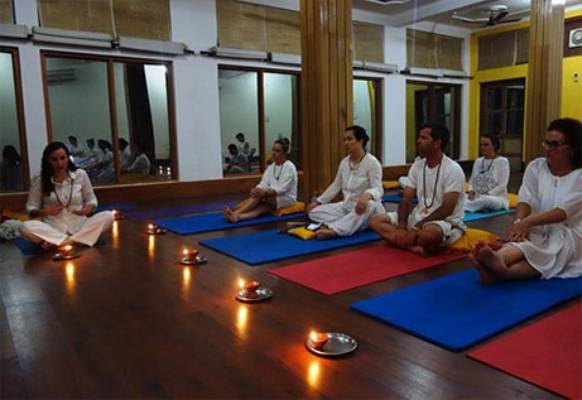
Yoga is exclusively thought of in relation to physical postures, but it is about so much more than stretching the body and building strength. At a luxury yoga retreat in Rishikesh, along with flexibility and strength, you can get to focus on the philosophical and spiritual practice of yoga. Here, people can delve into self-awareness, approach holistic mindfulness, and get inner peace guided by experienced yogis.

It is important to understand that a true yoga journey does not only work out the physical body, but also integrates the mind and soul, making it a holistic lifestyle. A 200 hour yoga teacher training course in Rishikesh lays great emphasis on yoga philosophy, its ethics, and meditation. It allows you to learn better and know life and existence better.

Learn about physical strengthening, poses, benefits and philosophy of yoga at the luxury yoga retreat in Rishikesh, as here you can be in the midst of the positive aura and be away from the chaos of daily life. Here, you can embrace the peaceful environment, such that you would feel at peace and gain maximum learning experience, such that you can fully embrace the spiritual depth of yoga. Here, you can go beyond the mere poses but develop mindfulness and feel in harmony within the serene Himalayan foothills.

The Philosophy Behind Yoga

Yoga has its roots in ancient Indian philosophy, emphasising self-discipline, morality,  and enlightenment. Participants will explore and experience classical texts and learn from master yogis about what self-realisation is. Here, the educators would be explaining the teachings that will enable the practitioners to build up  mindfulness which is the most powerful method of leading a life.

Yoga’s deeper philosophy revolves around the concept of ‘Oneness.’ It hath a thing or two to say about the interconnectedness of all things in the cosmos. It promotes a better sense of self and a better connection to nature and others that allows the person to live a life that helps the whole person to thrive mentally and emotionally, thus enhancing the wellness of the whole person. The yoga that you will learn will transform your life.

Meditation and Mindfulness Practices

Meditation and mindfulness sessions go hand in hand with a yoga retreat in Rishikesh. These practices teach us to keep our minds focused and present, cutting down on stress and anxiety. Participants experience a heightened state of awareness and tranquillity from guided meditation, deep breathing exercises, and chanting mantras.

Mindfulness enables people to free themselves from negative thoughts and make sure that they do not become too pessimistic. This also leads to a decrease in anxiety and worry by helping a person develop emotional resilience as well as a sense of inner peace. Thus, meditation is an indispensable practice in the yogic lifestyle.

The Role of Pranayama and Breathwork

Breathing is central to undertaking yoga, and pranayama (breath control) is a key component of a yogic retreat. This helps to increase the flow of oxygen, improves focus, and balances energy levels. Such practices not only boost physical well-being but also aid in improving alertness and emotional stability.

Popular in Rishikesh as a common practice during retreats are pranayama techniques such as Anulom Vilom (alternate nostril breathing) and Bhastrika (bellows breath). These methods aid in detoxifying the body, regulating emotions, and paving the way for further meditation and inward reflection.

Yogic Diet and Lifestyle

So, a yogic lifestyle is more than just a practice; it requires a proper diet and living in accordance with laid down values. It promotes Sattvic food (fresh, organic, and wholesome). The diet also promotes mental clarity and physical well-being so those who follow it feel and perform their best.

Living yogically is about more than what we eat — but it is also about being simple, kind, and grateful. The lifestyle changes take participants through daily practices that help them live to the yoga principles and thereby create a more balanced and fulfilling life. These tools allow participants to extend the gifts of yoga beyond the week of their retreat.

Conclusion

When it comes to a 200 hour yoga teacher training course in Rishikesh or Yoga retreat in Rishikesh, it is all more than just physical. This is a chance to live the real meaning of yoga, discover the philosophy behind it and change look at life. Through the combination of breathwork, meditation, mindfulness, and yogic principles, one may find inner peace and live a purpose-driven life.

Featured Image Source: https://www.yogadaindia.com/wp-content/uploads/2021/04/meditation.jpg

Necessity of Choosing London’s Best Breast Cancer Surgeons

Necessity of Choosing London’s Best Breast Cancer Surgeons

A diagnosis of breast cancer is an overwhelming experience. It shakes your entire world. Torn between questions and anxieties, one extremely crucial decision remains, that is to choose the right surgeon. In a city like London, which is highly advanced in healthcare, searching for the best surgeon for breast cancer is not merely a choice; it is a necessity. Here is why this decision can significantly affect your recovery process.  

Your Life Matches Expertise

Breast cancer requires extensive medical knowledge blended with the supreme skill of an expert surgeon. Top London breast cancer surgeons train rigorously, with some having decades of experience; their medical school and residency enable them to stay updated with the latest advances in surgical techniques. This expertise can mean the ultimate difference between accomplishing the operation or facing serious complications afterwards.

From breast-conserving surgeries to mastectomies, the best surgeons know the individuality of each case. They work with a multidisciplinary team to develop a treatment plan entirely tailored to your needs.

Personalised Care is Important

Breast cancer is unrelated to size. One patient is different from another. This is precisely why personalised care is vital. The breast cancer surgeons in London do not treat you as just another patient; instead, they are with you for a while, measuring your medical history, lifestyle, and apprehensions. The human touch here ensures that your doubts are cleared, thereby winning your trust and ensuring your treatment is consistent with your goals- preserving as much tissue as possible or reconstruction.

The Knowledge of Modern Technology

London is the cradle of medical innovation. Opting for one of the leading breast cancer surgeons allows limited access to state-of-the-art technology. This includes the latest minimally invasive surgical tools, which further themselves into high-class imaging systems. This sophisticated equipment allows great accuracy, cuts downtime and enhances outcomes.

The best surgeons often collaborate on clinical trials and research, making it possible for patients to access newer treatments that are not yet easily available.

Emotional Support and Empathy

Facing surgery and dealing with the emotional trauma of breast cancer cannot be ignored. The best surgeons are not just brainy medical experts but compassionate individuals who understand the importance of addressing fears and offering assurance. Their compassionate approach takes the sting out of the journey, making you feel in control.

Why It’s Worth the Pain 

Finding the right surgeon takes time and effort: getting recommendations, checking credentials, and scheduling consultations. One cannot afford to compromise when it comes to decisions taken to ensure good health; a proper choice has to be made. The immense relief of knowing you are in expert hands cannot be more highly rated.

Final Words

Choosing the top breast cancer surgeons in London is not merely the process; it is about ensuring that every step, from diagnosis to recovery, is undertaken with precision, professionalism, and compassion. For circumstances as life-changing as breast cancer, you ought to get nothing short of perfect care.

Because when one walks to the hospital, their main motto is to get the required treatment supervised by an expert and start the recovery process as soon as possible.

Featured Image Source: https://cdn-ilacpmh.nitrocdn.com/nFFMeOThAZECrqaIzSMnZbBjUlvBWRAy/assets/images/optimized/rev-f478152/www.dbghosh.com/wp-content/uploads/elementor/thumbs/woman-marked-out-cosmetic-surgery-min-e1725900255243-qtv2tw5qmj8ah7cvuprn0u5k0yozjgakeb599wovz6.png

Featured Image Source:

How to Choose the Best Podiatrists for Your Foot Health

How to Choose the Best Podiatrists for Your Foot Health

Your feet bear your weight through everything you do but have never been adequately celebrated as heroes. However, when they start complaining or developing a problem, it may be high time you look for a competent podiatrist. It is essential that when selecting one, you base your choice not only on qualifications but also on whether you feel at ease, informed, and directed towards healthy feet. The following are steps to take while choosing the right podiatrist.

1. Verify their credentials and experience.

First, you will need to verify that the podiatrist is looking after the area you have a problem in and that they have the proper accreditation to do the job. Experience counts when it comes to the welfare of the body. If they can handle a host of foot conditions, they will likely have honed their skills and will be able to deal with your complaint. Check if the podiatrist has any specialties, notably in bunions, plantar fasciitis, diabetic foot care or to treat heel pain in Houston.

2. Get recommendations and read reviews.

Word-of-mouth publicity is a powerful medium. Ask your family, friends, or primary care physician for recommendations. Online reviews also allow you to see what other patients have said about their experiences. Look for consistent remarks about their expertise, communication, and professionalism.

3. Evaluate their communication style.

Top podiatrists in Houston are skilled, knowledgeable, and a fantastic communicator. It is well worth your while to spend your initial consultation assessing how they explained your condition and treatment options. Do they listen attentively to your concerns? Will they take the time to answer your questions without rushing you? An open flow of communication creates trust, which is vital in medical concerns.

4. A Patient-Centered Approach-Is It Available?

With your podiatrist, the patient should be well cared for. One size does not fit all, so they must pay special attention to them to know your previous history and your lifestyle and activity level. This would help devise a proper treatment for you. An individualized treatment approach does wonders for your recovery and foot health. 

5. Visit the Clinic to Know About its Environment and Technology

The clinic tells a lot about the quality of care you will receive. Is it clean, warm, and organized? Whether the use of technologies is up to date for diagnostic studies in well-resourced clinics says much about a podiatrist’s commitment to good clinical care.

6. Access and Convenience

There are also practical issues to consider. Choose the podiatrist whose location and office hours fit within your schedule. Furthermore, check to see if they accept your insurance or offer affordable payments when needed.

Final Thoughts

Your feet deserve proper and undivided attention, and choosing the right podiatrist can be a vital first step in ensuring they stay healthy. By focusing on credentials, interactivity, and a patient-centered approach, one can rest assured there’ll be a podiatrist to keep one’s feet in good shape without the awkwardness that one doesn’t enjoy. Bear in mind that it’s not just about finding a doctor it is about finding a partner in the sound management of your foot health.

Featured Image Source: https://images.pexels.com/photos/9486770/pexels-photo-9486770.jpeg?auto=compress&cs=tinysrgb&w=600

Common Myths About Neurosurgery: Debunking Misconceptions

Common Myths About Neurosurgery: Debunking Misconceptions

Neurosurgery involves many myths and misunderstandings that cause fear and confusion among people in general. Even though medical science has made great progress, many still have wrong ideas about what neurosurgery is and what it does. This article will clear up common myths about neurosurgery so you can understand what a neurologist does and what the top neurosurgeons are responsible for.

Myth 1: Neurosurgery Only Involves Brain Surgery

Most people believe that neurosurgery is where only the brain is cut open. The best neurosurgeon in Ranchi treats other parts of the nervous system, such as the spinal cord and peripheral nerves. From treating complex spinal surgeries, undertaking delicate surgical procedures on cranial nerves and addressing various other neurological disorders, they help to ensure optimal patient outcomes and improve quality of life.

Hence, Ranchi neurologist doctors team up with neurosurgeons in diagnosing and managing the treatment of common conditions such as herniated discs, spinal tumours, and nerve injuries while they provide holistic treatment for such patients.

Neurosurgeons perform risky and hard surgeries, which is just another description of their profession’s complexity. However, it is not all about difficult brain surgeries; less invasive techniques are being performed in the field of treatment for such issues as sciatica and carpal tunnel syndrome. It shows the broad scope of neurosurgery and its relative field, its integral contribution to improving well-being, and its crucial role in the treatment of overall neurological health.

Myth 2: All Neurological Problems Require Surgery

A common misperception about all neurological disorders is that all need surgeries as treatment. However, many neurological disorders can indeed be treated without surgical procedures. Drugs or extensively used physiotherapy, lifestyle changes, etc., are usually proposed before even contemplating surgery. Neurologists have an important role in deciding whether, in fact, surgery is needed by really going into detail on every aspect of the condition of their patients.

The best neurosurgeons approach every case with a personalised treatment regimen, considering surgery as a last resort. Nowadays, due to the advent of state-of-the-art imaging and diagnostic modalities, precise assessments are possible, and surgery can only be a prognosis for patients who really need it.

Myth 3: Neurosurgery Is Extremely Risky

Of course, all surgeries are risky, but people usually think neurosurgery is the worst of the lot. Actually, as technology and ways of doing surgery evolved, so did significant success rates in neurosurgery. The engineers and the best neurosurgeons continue to push forward with the almost unbelievably miraculous, state-of-the-art robotic machines and other equipment.

Neurosurgical procedures are explained to their patients mostly for the purpose of reassurance by the neurologist doctor. Neurosurgeons try their best to make patients aware of the risks and benefits of their treatments so as to foster trust and confidence during treatment.

Myth 4: Neurosurgery Is Only for the Elderly

Many thought that neurosurgery was only for the elderly; however, such a thought was very misleading. People of any age may require neurosurgical operations from infancy to old age. They might, for instance, in children be patients with spina bifida or hydrocephalus.  

Neurosurgery treats adults suffering from neurological disorders such as brain aneurysms, spinal cord injuries, and degenerative diseases. Early detection and appropriate treatment of neurological disorders lead to improved quality of life for neurologically ill patients regardless of their age.

Conclusion

Neurosurgery is one of the narrow fields of education and awareness that continues to disperse the clouds of ignorance. The truths behind these myths take away the fear of the timely initiation of proper medical therapy. Whether it be an opinion from a neurologist or utilising the service of the best neurosurgeon, knowledge is power wherever healthcare decisions are concerned.

Featured Image Source: https://images.pexels.com/photos/7089020/pexels-photo-7089020.jpeg?auto=compress&cs=tinysrgb&w=600

Health Sharing and Social Justice: Addressing Healthcare Disparities Through Community-Based Solutions

Health Sharing and Social Justice: Addressing Healthcare Disparities Through Community-Based Solutions

Inequalities in healthcare continue to be one of the significant problems in society, often denying less privileged groups the right and access to quality medical services. Programs based on community values are increasingly becoming successful in bridging the gaps, allowing various individuals to opt for alternatives to traditional insurance and get optimum levels of medical care.

The affordable alternative to traditional insurance is medical cost sharing, which allows groups of individuals to pool a certain amount of money, which is then used for the medical care of the members of the group. These programs are based on the community and support group and are viable innovative cost management approaches for those seeking alternatives, such as self-employed health insurance.

Understanding Medical Cost Sharing

Medical cost sharing is a community-based alternative being offered at reasonable rates, and it serves as an alternative to standard coverage and is labeled as medical cost sharing. During periods of medical distress, the medical cost-sharing plan pays for the medical care, allowing individuals who are self-employed to receive effective medical care. Medical cost sharing is an all-inclusive and equitable solution that is very helpful during emergencies.

The Role of Community in Healthcare

Initiatives for health sharing are based on communities. Medical cost-sharing programs guarantee that each member’s needs are met without incurring the hefty premiums of typical plans by encouraging a team effort. This community-driven approach bridges gaps in healthcare access and supports individual financial goals for self-employed people.

Tackling Healthcare Disparities

Affordable Alternatives

Health-sharing plans help people who could not afford care in traditional systems to receive the required medical care. This is because they help low-income organizations, independent contractors, and other uninsured people to have access to needed treatment without incurring financial setbacks due to the skyrocketing healthcare cost.

Promoting Inclusivity

Health sharing promotes community by focusing on the group’s well-being. Members help one another and foster a sense of community by resolving and helping during medical emergencies, further solving inequalities brought on by traditional insurance plans and the structural injustices in healthcare access.

Benefits of Medical Cost Sharing

Cost-Effective Solutions

Compared to traditional insurance, medical cost-sharing is often more affordable. It is an attractive choice for freelancers because the members only pay for shared medical expenses and get savings on the premiums.

Flexibility in Coverage

Contrasted with inflexible insurance policies, these systems have customizable coverage options and contributions. In an attempt to provide an equal access scenario, participants have the freedom of choosing plans suited to their own financial and medical needs.

Strengthening Social Justice

Community Empowerment

By enabling communities to solve healthcare disparities, the health-sharing program is consistent with social justice ideas. Fairness is given top priority in these programs, and each participant’s viewpoint is heard. It allows for treatments that traditional insurance may not allow or that charge high deductibles.

Reducing Financial Inequalities

Medical cost sharing reduces the burden of costs on disadvantaged groups by pooling resources. This strategy promotes equity by ensuring that everyone has an equal opportunity to receive necessary medical treatment.

Conclusion

Through health-sharing programs or the medical cost-sharing models, there is an effort to eliminate healthcare inequities. It ensures equity and inclusion in the healthcare sector since it provides fairly priced alternatives like self-employed health insurance. The adoption of community-based solutions ensures that everyone will have medical care in the future.

Disclaimer: MPB.Health memberships are a non-insurance solution designed to provide access to healthcare services. To determine if this aligns with your specific needs, we recommend consulting a certified expert advisor.

Featured Image Source: https://img.freepik.com/free-photo/side-view-nurses-patient-clinic_23-2149741220.jpg?ga=GA1.1.841081849.1734379686&semt=ais_hybrid

Protein on a Budget: Dinners That Won't Break the Bank

Protein on a Budget: Dinners That Won’t Break the Bank

We’ve all heard it: “Eat more protein, it’s good for you!” But the moment you hear “high-protein,” your brain probably screams, “Ka-ching!” Protein-rich meals don’t have to cost an arm and a leg. You can fuel your muscles, fight off hunger pangs, and feel like a health guru without having to mortgage your house for salmon fillets.

So, let’s dive into how you can whip up high-protein dinners that are budget-friendly, super easy, and don’t involve eating cardboard (we’re looking at you, “protein bars”). Fuel your body with high-protein recipes for dinner that won’t empty your wallet.

1. Why High-Protein Dinners Are Essential (And Not Just Because Your Gym Buddy Told You So)

Let’s face it, protein is like the secret sauce of your diet. Not only does it help repair muscles (hello, post-workout recovery), but it also keeps you feeling full longer, meaning fewer trips to the fridge for unnecessary snacks. Plus, it’s like a superhero for your skin and hair—who doesn’t want hair like a shampoo commercial, right?

But here’s the kicker: high-protein meals don’t have to be a wallet-buster. You can stay healthy, feel fuller for longer, and still save a bit of cash for your next Netflix binge. It’s all about finding affordable protein sources and making them work for you.

2. Tips for Budget-Friendly Protein Sources (Because You Don’t Need to Buy Wagyu Beef)

Let’s cut to the chase—protein doesn’t have to mean expensive steak dinners. Here’s a list of affordable options that’ll have you flexing those muscles (and your budgeting skills):

  • Eggs: The little wonders that do it all—scramble them, fry them, bake them. They’re cheap, versatile, and pretty much the MVP of your fridge.
  • Canned Tuna or Salmon: A tin of tuna might not get invited to the fancy dinner party, but it sure knows how to make a quick, protein-packed meal. Perfect for salads, sandwiches, or a speedy pasta.
  • Lentils and Beans: These humble legumes are packed with protein and fibre. Plus, they’re dirt cheap when bought in bulk. Get creative with stews, soups, or even a cheeky veggie burger.
  • Chicken Thighs: Forget the pricey chicken breasts. Chicken thighs are juicy, affordable, and super versatile. Chuck them in curries, roasts, or just season them and pop them in the oven.
  • Turkey Mince: Turkey mince is like the cooler, more affordable cousin of beef mince. Stir-fry it, make meatballs, or throw it in a chilli—your wallet will thank you.
  • Tofu or Tempeh: For the plant-based crowd, tofu is your go-to. Stir-fry, grill, or even crumble it in a curry—whatever you fancy, it’s a protein-packed choice.
  • Cottage Cheese and Greek Yogurt: Dairy doesn’t have to be pricey. Both cottage cheese and Greek yogurt are protein-rich and great for snacks, dips, or added to meals.

Pro Tip: Buy in bulk, go for frozen, or pick up seasonal produce. It’ll save you enough to treat yourself to something nice (like a takeaway on the weekend, maybe?).

3. Quick and Easy High-Protein Dinner Ideas (Because You’re Too Busy to Spend Hours in the Kitchen)

Who has the time for complicated meals? Not us. That’s why we’ve got these quick, protein-packed meals that’ll keep you fuelled without the drama.

  • Turkey and Vegetable Stir-Fry
    This one’s a classic. Throw turkey mince, frozen veg, soy sauce, and rice/noodles into a pan, and boom—dinner’s served. Takes less than 20 minutes, so you can eat and still have time to scroll through TikTok.
  • Lentil and Spinach Curry
    Lentils? Spinach? Curry? Yes, please. This meal is cheap, cheerful, and packed with protein. It’s like a warm hug in a bowl. Plus, it’ll cost you less than a fiver per serving.
  • Egg and Veggie Scramble
    Got leftover veg in the fridge? Scramble some eggs, toss in the veg, and you’ve got yourself a high-protein meal. Easy, quick, and you don’t even need a recipe—just wing it!
  • Baked Chicken Thighs with Sweet Potatoes
    Chicken thighs are like the underdogs of the poultry world—cheap, tasty, and ridiculously easy to cook. Chuck them in the oven with sweet potatoes, season them, and leave the magic to happen.
  • Tuna and Chickpea Salad
    When you just can’t be bothered cooking, grab a can of tuna, some chickpeas, olive oil, and fresh herbs. No cooking, minimal effort, and it’s still packed with protein.

4. One-Pot and Meal-Prep Friendly Dinners (Because Cleaning Sucks)

Let’s be real—no one enjoys washing dishes. So here are some one-pot wonders that’ll fill you up and leave you with barely any washing up to do. Satisfy your cravings and stay on track with these healthy protein dinner recipes.

  • One-Pot Quinoa and Black Bean Chili
    This hearty dish is like a big warm hug, but in a bowl. Quinoa, black beans, tomatoes, and spices—toss it all in a pot and let it do its thing. Plus, it’s great for leftovers (if there’s any left, that is).
  • Slow Cooker Chicken and Lentil Stew
    Throw some chicken, lentils, and veg into the slow cooker and let it do all the hard work. You get a delicious stew with zero effort. It’s like magic, but better.
  • Baked Eggplant Stuffed with Turkey and Vegetables
    Stuff some eggplant with turkey mince and veggies, throw it in the oven, and voilà—dinner. It’s low-effort and high-protein, so you can actually feel smug about it.

5. Tips for Stretching Your Budget Further (Because We All Like to Save a Few Quid)

Want to make your meals stretch even further? Try these tricks:

  • Repurpose Leftovers: Got some chicken left over from last night? Turn it into a chicken salad. Leftover lentils? Toss them in a soup. Leftovers are your best friend (don’t tell your partner).
  • Use Versatile Ingredients: Plan meals around ingredients you can use in different ways. Eggs, beans, rice—they’re like the Swiss Army knife of your kitchen.
  • Freeze Extra Portions: Cook extra, freeze it, and thank yourself later when you’re too tired to cook.

Conclusion

Healthy, high-protein dinners don’t need to cost a fortune or take up all your time. With a bit of creativity and a little budgeting magic, you can enjoy delicious, filling meals without the financial hangover. So, get cooking tonight—and don’t forget to give yourself a pat on the back for being a budget-friendly, protein-powered superstar!

Featured Image Source: https://www.foodforfitness.co.uk/wp-content/smush-webp/2023/01/IMG_7450-1024×683.jpeg.webp

Protein-Packed Dinners: Because Who Needs Bland When You Can Be Bold?

Protein-Packed Dinners: Because Who Needs Bland When You Can Be Bold?

Dinner time. The one sacred moment of the day when we can sit back, relax, and pretend our lives aren’t a chaotic mess. But here’s the thing: eating well doesn’t have to mean nibbling on sad salads or shovelling down boiled chicken like a contestant on some survival show. Nope. We’re here to talk about high-protein dinner recipes that’ll have you saying, “Wow, I’m a chef now,” without actually having to attend culinary school.

Here’s the best part: these healthy protein dinner recipes pack a protein punch and taste ridiculously good. Yes, you can wave goodbye to your beige diet and say hello to vibrant, hearty dishes that fill you up. Ready to upgrade your evening meals? Let’s dive in. 

The Meat of the Matter (Literally)

First up, let’s talk meat. It’s the MVP of high-protein dinners, and rightly so. But don’t worry; we’re not here to suggest grilling a plain chicken breast and calling it a day. Let’s crank up the flavour, shall we?

  • Spicy Turkey Meatballs: Picture this — juicy turkey meatballs simmering in a smoky, spicy tomato sauce. Pair it with some courgetti or brown rice, and you’re laughing. Bonus? Turkey is leaner than beef but just as satisfying.
  • Sticky Teriyaki Salmon: Fancy, eh? But don’t be fooled; it’s stupidly easy. A simple teriyaki glaze, 15 minutes in the oven, and boom! A protein-packed masterpiece that makes you look like you know what you’re doing in the kitchen.

For more inspiration, check out these epic high-protein recipes for dinner. Warning: you might end up drooling on your keyboard. 

Veggie Lovers, Rejoice!

Who says you need meat for protein? Veggies are out here flexing their muscles too. If you’re going plant-based or just fancy a meat-free day, these recipes have got your back.

  • Chickpea and Spinach Curry: Chickpeas aren’t just for hummus, people. Throw them into a rich, spiced curry with spinach, and you’ve got yourself a dinner that’s not just high in protein but also high in “mmm, more please.”
  • Quinoa-Stuffed Peppers: Quinoa, the king of all grains (well, technically a seed, but let’s not split hairs), is a protein powerhouse. Stuff it into roasted peppers, sprinkle some feta on top, and suddenly, you’re the Jamie Oliver of your house.

More plant-based ideas? Hop over to these healthy protein dinner recipes and thank us later. 

Eggs: Not Just for Breakfast

Eggs are like that one friend who’s good at everything and annoyingly humble about it. They’re not just for your morning fry-up; they’re a brilliant choice for dinner too.

  • Shakshuka: Eggs poached in a spicy tomato and bell pepper sauce. It’s warm, comforting, and perfect for those days when you can’t be bothered to do too much. Dunk some crusty bread in, and you’re golden.
  • Vegetable Frittata: Fancy word, simple dish. Throw whatever’s in your fridge into a pan with eggs, bake it, and call it a frittata. It’s a posh omelette. 

Sides That Steal the Show

The main course might be the star, but the sides? They’re the hilarious sidekick everyone secretly loves. Try these on for size:

  • Garlic Roasted Broccoli: A sprinkle of garlic, a squeeze of lemon, and suddenly broccoli isn’t that boring green lump on your plate anymore.
  • Spicy Sweet Potato Wedges: Crispy, golden, and with just the right amount of heat. Sweet potatoes bring fibre to the party, and they’re surprisingly filling. 

Let’s Wrap It Up

High-protein dinners aren’t rocket science. They’re fun, flavourful, and far from boring. Whether you’re diving into a saucy meat dish, experimenting with plant-based options, or getting creative with eggs, there’s something for everyone. And remember, the best meals are the ones that make you smile — even if it’s just because you managed not to burn the kitchen down this time.

Now, go forth and cook like the protein-packed warrior you are. And don’t forget to share your creations with your smug neighbour who’s always bragging about their sourdough starter. That’ll show ‘em.

Featured Image Source: https://www.foodforfitness.co.uk/wp-content/smush-webp/2024/11/Marry_Me_Chicken_Feature_5-1024×683.jpg.webp

Busting Common Myths About Health Sharing Plans

Busting Common Myths About Health Sharing Plans

Health-sharing plans are lower-cost, affordable alternatives to traditional health insurance products that have the potential to offer relief to thousands of people who are looking for cost-effective health insurance options. However, many often misunderstand these plans. Hence, there are a number of misconceptions surrounding health insurance plans. In this post, we will address some of the most common myths about these healthcare plans.

Myth 1: Health Sharing Plans  are Not Regulated

Though it is true that health-sharing plans do not normally fall under the regulatory purview of the insurance commission, it does not mean the members go without protection. These plans operate under every state’s general contract law. Each member will have an enforceable contract based on the plan’s guidelines.

When joining a health-sharing plan, the members have to sign an agreement specifying their responsibilities and those of the health-sharing organization. It also lists the procedures and expenses that are shareable and which ones are not.

Myth 2: You Can’t Contribute to an HSA if You Join a Health Sharing Plan

You can actually contribute to an HSA after joining a health-sharing plan. There are some health plans designed specifically to include the minimum essential coverages required for ACA. They are designed to qualify as a High Deductible Health Plan. So, once you enroll in a health-sharing plan and meet the other requirements, you will be eligible to contribute to an HSA.

Myth 3: Health Insurance is More Economical  Than Health Sharing

Many people assume that health-sharing plans will cost more than traditional health insurance. However, the reality is that health-sharing plans are much more affordable than traditional health insurance.

For those in good health, with no significant pre-existing conditions and who do not qualify for a significant ACA subsidy to pay insurance premiums, health-sharing plans can save 40-505 of the cost spent on traditional health insurance policy. So, if you are committed to a healthy lifestyle, health-sharing plans can help you and your family save thousands of dollars per year.

Myth 4: Health Sharing Plans Cannot Provide for Major Medical Needs

It is often assumed that health-sharing plans do not have sufficient resources to provide for significant medical events. However, the reality is that these plans are structured to pool resources, hence providing an indicant financial reserve to help share the cost of major medical issues any member may face.

Myth 5: Medical Facilities Only Treat Patients with Health Insurance

Most hospitals recognize health-sharing plans and work with them as they do with traditional insurance companies. Some of them even prefer dealing with health-sharing plans due to their straightforward billing processes and prompt payment systems. Health-sharing plans also negotiate a cash price for services, thus saving more money.

Myth 6: Pre-existing Conditions are Not Allowed

Sharing for pre-existing conditions varies among plans. There is an initial waiting period before medical expenses can be utilized to cover pre-existing conditions. Some of these conditions may be immediately shareable if controlled with medication or if you show evidence that they do not present a current health risk.

Wrapping Up

It should now be clear that health-sharing plans are a great alternative to traditional health insurance programs. They allow members to customize their own health care. The flexibility they offer makes them a practical choice for many families.

Disclaimer: MPB.Health memberships are a non-insurance solution designed to provide access to healthcare services. To determine if this aligns with your specific needs, we recommend consulting a certified expert advisor.

Featured Image Source: https://images.pexels.com/photos/7821915/pexels-photo-7821915.jpeg?auto=compress&cs=tinysrgb&w=600

How a Labour Lawyer Can Assist You with Heart Disease & Stroke and Disability

How a Labour Lawyer Can Assist You with Heart Disease & Stroke and Disability

Filing a disability claim after experiencing a heart attack or stroke can be met by twists and turns. Some challenges could be physically and mentally tiring, especially when dealing with the justice system. Canadian labour laws and disability statutes provide for the benefits you should receive.

Bringing a disability claim under the Canada Pension Plan or through a private insurance provider have numerous challenges. Firstly, the claim process requires indepth medical and legal knowledge. Your claims could be denied not because you are not disabled but because your application does not meet the legal standards the CPP or insurance companies require.

The Challenge of Proving Long-Term Disability

You have to prove that your condition is not only serious but also chronic. Medical reports have to demonstrate the severity of your disability and how it hinders your ability to work. For instance, the CPP will often demand proof that all other treatments have been availed and that a disability is still present.

How a Labour Lawyer Can Assist You

A labour lawyer in Canada can help with the following when filing a disability claim related to heart disease or stroke:

Thorough Case Evaluation

Your labour lawyer can evaluate your case by reviewing your medical records, assessing your employment history, and examining any communications with insurance companies or government agencies.

Such assessment enables the lawyer to see the gaps in your claim and develop strategies that are in line with the Disability Benefits program and other legal statutes.

Comprehensive Documentation

Your labour lawyer should gather the necessary medical evidence to support your case, including:

  • Receiving reports from your healthcare providers that contain specific information
  • Coordinating independent medical examinations
  • Making sure all the medical records for the CPP requirements are provided

The Canada Pension Plan Act has provisions that mean that your application should be accompanied by sufficient medical evidence showing the extent and permanency of your disability.

Effective Communication with Insurers

Dealing with insurance companies when filing a disability claim is frustrating because insurance adjusters focus on minimizing payouts.

Your labour lawyer in Toronto should handle all communications with the insurer. The lawyer should ensure that your claim is clear and persuasive.

They can also dispute any effort the insurance company will make to delay or even cut your benefits.

The Insurance Act in Canada regulates the insurance business. However, it does not necessarily shield the claimants from oppressive conduct. A labour lawyer knows the legal requirements that govern insurance activities in Canada and can assist in any disagreement during the claims process.

Appeals and Legal Representation

If you have been denied a disability claim, you can appeal under the Canada Pension Plan Act. Note that the appeals process may have been time-consuming.

An attorney specializing in labour law can assist in filing an appeals tribunal and presenting the case. They will ensure that all facts are presented properly and all arguments are well grounded. In return, this enhances the likelihood of a successful appeal.

If your case needs to proceed to the next level, such as a judicial review, your lawyer will defend your interests under Canadian law.

That is why the lengthy process of disability claims should not deter you from seeking the benefits you are legally entitled to. Speak to a labour lawyer today for the assistance and advocacy you will require to go through this process.

Featured Image Source: https://www.istockphoto.com/photo/portrait-of-a-doctor-holding-a-heart-in-his-hands-gm1465572741-497935853?utm_campaign=srp_photos_top&utm_content=https%3A%2F%2Funsplash.com%2Fs%2Fphotos%2Fcardiovascular-disease&utm_medium=affiliate&utm_source=unsplash&utm_term=cardiovascular+disease%3A%3Areduced-affiliates%3Ahalf