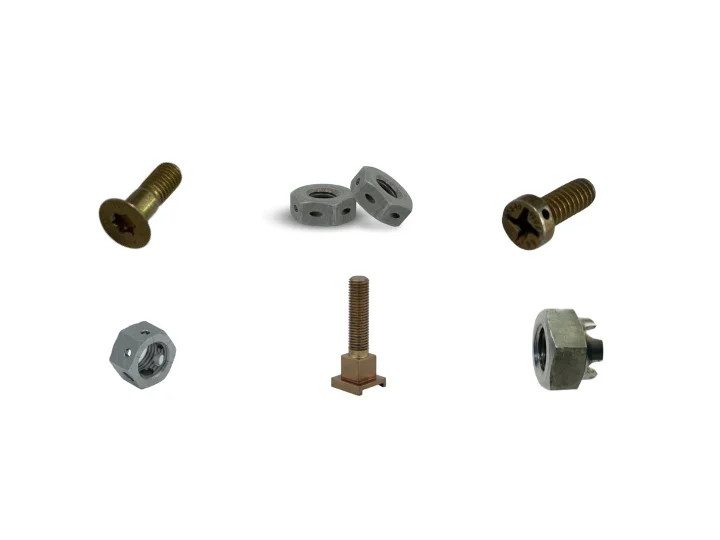
Maintenance and Reliability: Why Aerospace Fasteners Matter
The aviation industry operates under unforgiving conditions where component failure isn’t merely inconvenient—it’s potentially catastrophic. Aircrafts endure extreme temperature variations, intense vibrations, and massive structural loads that would destroy conventional mechanical systems. Every component must perform flawlessly for thousands of flight hours. In harsh environments
Aerospace fasteners represent the critical connection points that hold these complex machines together. These specialised components face unique challenges including rapid temperature cycling, corrosive environments, and fatigue stresses that standard fasteners simply cannot withstand. Their failure modes differ significantly from ground-based applications.
Selecting appropriate fasteners suppliers becomes paramount when aircraft safety depends on component reliability. Aviation-grade fasteners undergo rigorous testing protocols and certification processes that far exceed standard industrial requirements. The consequences of using substandard fastening solutions extend beyond immediate safety concerns to encompass regulatory compliance issues.
Material Properties and Performance Characteristics
- Titanium Alloy Applications: Modern aircraft increasingly rely on titanium-based fastening solutions due to their exceptional strength-to-weight ratios. These alloys resist corrosion whilst maintaining structural integrity across temperature ranges from -65°C to 650°C. Their biocompatibility also prevents galvanic corrosion when paired with aluminium airframes.
- Superalloy Performance Standards: High-temperature engine applications demand fasteners manufactured from superalloys like Inconel or Hastelloy. These materials retain their mechanical properties at temperatures exceeding 1000°C whilst resisting oxidation and thermal fatigue. Such performance characteristics prove essential for turbine assembly applications.
Installation Procedures and Quality Assurance
- Torque Specification Compliance: Proper fastener installation requires precise torque control to achieve optimal preload without damaging threads or component surfaces. Aviation mechanics utilise calibrated torque wrenches and follow documented procedures that specify exact values for each fastener size and material combination.
- Inspection Protocol Requirements: Regular fastener inspections form part of mandatory maintenance schedules, with technicians checking for signs of loosening, corrosion, or mechanical damage. Non-destructive testing methods including magnetic particle inspection help identify subsurface cracks before they propagate to failure.
The following characteristics define reliable aerospace fastening systems:
- Temperature resistance – maintaining strength across operational ranges from arctic conditions to engine compartment heat levels.
- Vibration immunity – resisting loosening under constant mechanical oscillation and dynamic loading conditions.
- Corrosion protection – withstanding moisture, salt spray, and chemical exposure throughout extended service intervals.
- Fatigue durability – surviving millions of stress cycles without crack initiation or propagation.
Economic Impact on Operations
- Maintenance Cost Reduction: Quality fasteners significantly reduce unscheduled maintenance events that ground aircraft and disrupt operational schedules. Each avoided maintenance incident saves thousands in direct costs whilst preventing revenue losses from cancelled flights and passenger compensation claims.
- Component Lifecycle Extension: Superior fastening solutions protect adjacent components from excessive wear and stress concentration. This protective effect extends the operational life of expensive aircraft structures and reduces the frequency of major overhaul requirements.
Aerospace fasteners serve as the foundation of aircraft reliability and operational efficiency. Their robust design prevents mechanical failures that could compromise safety whilst reducing maintenance burdens that impact profitability. Investing in quality fastening solutions delivers long-term benefits through enhanced performance and reduced operational costs. Contact qualified aerospace specialists today to evaluate your fastening requirements and improve your maintenance reliability standards.
Featured Image Source: https://sp-ao.shortpixel.ai/client/to_auto,q_glossy,ret_img/https://upsind.com/wp-content/uploads/2024/12/Product-website-14.jpg