Beyond Automation: Building Safer, Smarter, and More Reliable Plants
Industrial facilities are moving beyond basic automation toward integrated systems that prioritize safety and reliability. This shift combines protective protocols with advanced control architecture to create manufacturing environments where operational excellence and worker protection work together from the ground up.
The manufacturing sector stands at a crossroads. Plants that once focused solely on speed and output now face mounting pressure to rethink their approach. Downtime costs money, and accidents cost more in loss to the work force. The old model of adding safety features after systems are built no longer cuts it in competitive markets where margins are shrinking and regulations tightening.
Machine Safety as a Foundation
- Designing Protection into Every Layer: Modern machine safety services embed protective measures directly into equipment design rather than bolting them on later. This approach considers hazard scenarios during the planning phase. Engineers identify potential failure points before metal is cut or code is written. Emergency stops, light curtains, and interlock systems become part of the original blueprint. The result is equipment that operates within defined safety parameters from day one.
- Connecting Every Process Variable: Control systems engineering builds the nervous system of modern plants. Sensors monitor temperature, pressure, flow rates, and dozens of other inputs simultaneously. Controllers process this data in real time and adjust operations accordingly. A furnace runs too hot, and the system compensates before product quality suffers. A conveyor slows down, and upstream processes adjust their pace automatically.
Coordinated Control Architecture
- Smart Integration Across Departments: Production floors generate massive amounts of data. Quality control needs access to batch records. Maintenance teams track equipment performance trends. Management reviews efficiency metrics. By implementing integrated control platforms, this information is made available where it matters. Different systems communicate through standardized protocols, and dcision makers get the visibility they need without hunting through disconnected databases.
- Maintaining Flexibility for Future Growth: Plants change over time. New product lines are added. Equipment is upgraded. These shifts are accommodated by control architectures built for expansion, without major overhauls. Modular designs allow teams to add capacity or modify processes while existing operations continue. This adaptability protects capital investments and keeps facilities competitive as market demands shift.
Collaborative Project Execution
- Partnering From Concept Through Validation: Successful projects start with clear communication between all stakeholders. Plant managers know their operational needs, while engineers understand technical constraints, and vendors supply equipment specifications. Getting these groups aligned early prevents costly misunderstandings later. Regular check-ins during design and installation keep everyone informed. Testing phases validate that systems perform as promised before full production begins.
- Key Success Factors Include:
- Detailed requirement gathering that captures both operational and safety needs
- Phased implementation that minimizes disruption to existing production
- Comprehensive documentation for maintenance and troubleshooting
- Training programs that prepare teams to operate new systems confidently
- Reducing Retrofit Costs and Downtime: Facilities that delay addressing safety face expensive modifications. Production lines shut down for upgrades. Workers need retraining on new protocols. Budget overruns become common. Building safety into the initial design eliminates these disruptions. Equipment arrives ready to meet compliance standards. Operators work with systems designed for their protection from the start.
The path forward requires viewing safety and control as inseparable elements of plant design. Facilities built on this foundation operate more reliably, protect workers better, and adapt to changing demands faster than those stuck with patchwork systems. Companies ready to move beyond basic automation should evaluate their current infrastructure and identify gaps between where they are and where they need to be. The investment in integrated systems pays returns through reduced incidents, lower operating costs, and improved product quality that keeps customers coming back.
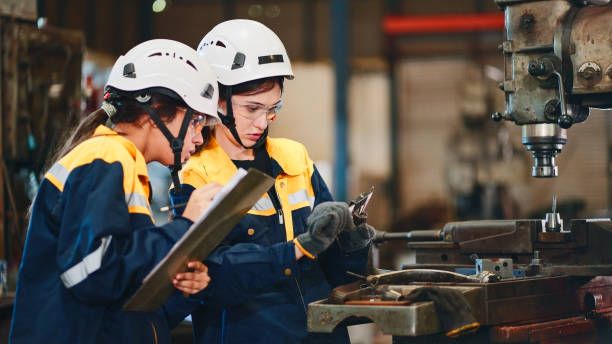
Featured Image Source: https://media.gettyimages.com/id/2154847799/photo/female-engineer-checking-machine-in-factory.jpg?s=612×612&w=0&k=20&c=rBj32UScYKlt-sp659RAYgpiL9g7XLGtQA8m-jYc0b4=