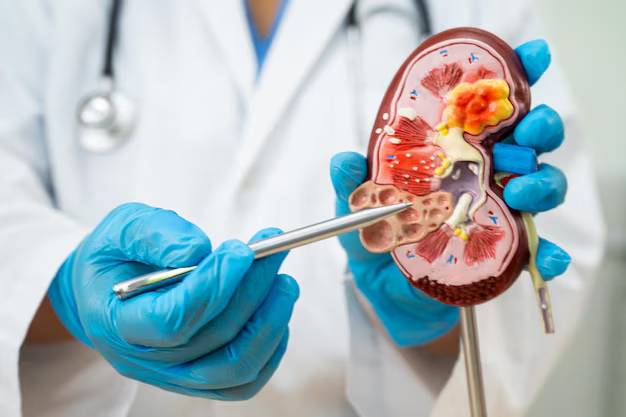
Protecting Your Kidneys: Essential Health Tips and Warning Signs
Most people take their kidneys for granted. These bean-shaped organs work tirelessly, filtering roughly 180 litres of blood each day. They remove toxins, balance fluids, and regulate blood pressure. Yet the health of the kidneys rarely crosses anyone’s mind until problems arise.
Kidney disease is a silent killer that affects millions. When you finally notice any telltale symptoms, substantial damage has likely occurred. At this stage, finding a reliable hospital in Ranchi or booking an appointment with a kidney specialist in Ranchi becomes a race against time. Prevention could have changed everything.
Warning Signs You Cannot Ignore
Kidney problems develop gradually. The symptoms start small and build slowly over months or years.
Tiredness hits you first. Not the usual end-of-day fatigue, but a bone-deep exhaustion that sleep cannot fix. Your body struggles to remove waste products, leaving you feeling drained constantly.
Swelling appears next. Your ankles and feet puff up, especially after long days. The swelling might disappear overnight, making you think it is just from being on your feet too much. This fluid retention signals your kidneys cannot remove excess water properly.
Changes in urination become noticeable. Your urine might foam like soap bubbles or contain blood. Perhaps you wake up multiple times during the night needing the toilet. These changes are not normal parts of aging.
Breathlessness creeps in gradually. You might feel winded climbing stairs that never bothered you before. This happens when fluid builds up in your lungs or when anemia develops from poor kidney function.
The Reality Nobody Wants to Face
Dialysis terrifies most people. The thought of spending three days each week attached to a machine is overwhelming. Your freedom disappears. Work schedules revolve around treatment times. Holidays require careful planning around dialysis centres.
Advanced kidney disease changes everything. Simple tasks become exhausting. Social events lose their appeal when you feel constantly unwell. The physical and emotional toll affects entire families.
Practical Protection Strategies
Protecting your kidneys requires consistent daily habits rather than dramatic lifestyle overhauls.
Monitor your blood pressure regularly. High blood pressure damages the tiny blood vessels in your kidneys over time. Home monitors are affordable and catch problems early. Target readings should stay below 140/90 mmHg for most adults.
Keep blood sugar levels stable. Diabetes causes diabetic nephropathy, which destroys kidney function gradually. Even slightly elevated blood sugar increases your risk. Regular testing helps you stay ahead of complications.
Drink enough water daily. Aim for about eight glasses, though this varies based on your activity level and climate. Your urine should be pale yellow, not dark or completely clear.
Reduce sodium intake significantly. Processed foods contain excessive salt that forces your kidneys to work harder. Fresh ingredients naturally contain less sodium than packaged alternatives.
Move your body regularly. Physical activity improves blood circulation to your kidneys. Even moderate walking for thirty minutes daily supports healthy kidney function.
When Medical Help Becomes Necessary
Some situations require professional medical attention immediately.
Family history increases your risk considerably. Genetic factors influence kidney disease development in many families. Annual screening becomes essential for early detection.
Existing medical conditions multiply your risk. Diabetes, hypertension, and cardiovascular disease all impact kidney health directly. Regular monitoring helps distinguish between normal changes and disease progression.
Your kidneys deserve attention before problems develop. Early intervention costs less than advanced treatments. Simple prevention strategies protect these vital organs far better than expensive procedures later.
Featured Image Source: https://img.freepik.com/premium-photo/kidney-disease-chronic-kidney-disease-ckd-doctor-hold-human-model-treat-study-hospital_1263944-177.jpg