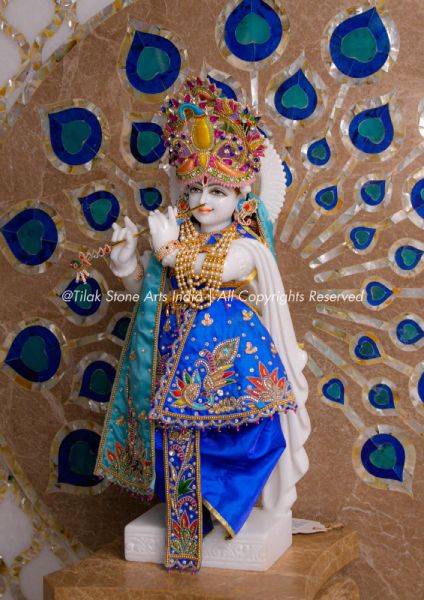
The Psychology of a Sacred Space: How Your Pooja Room Affects the Mind and Mood
The human mind responds to its surroundings in profound ways. A dedicated prayer space becomes more than decorative architecture. It transforms into a sanctuary where stress dissolves and clarity emerges. Research shows that consistent meditation in designated areas strengthens neural pathways associated with calm and focus.
Creating Serenity Through Material Selection
- Natural Stone’s Calming Influence: The choice of marble pooja room designs reflects an understanding of how materials affect mood. Natural stone carries inherent cooling properties that create physical comfort during prayer. The visual weight of marble grounds the space, offering stability that contrasts with daily chaos. Smooth surfaces reflect light softly, avoiding the harsh glare.
- Cultural Wisdom in Material Choice: Traditional Indian pooja room design has always emphasised natural materials for good reason. Stone endures across generations, creating continuity between past and present practices. This temporal connection adds psychological depth to prayer experiences. The tactile quality of carved surfaces engages multiple senses, anchoring attention in the present moment.
- Timeless Material Benefits: Cool stone under fingertips during ritual actions creates sensory feedback that deepens engagement with spiritual practice. The permanence of natural materials provides psychological stability. Unlike synthetic alternatives that degrade quickly, quality stone improves with age. This durability reassures the subconscious mind, creating foundations for lasting spiritual routines.
Light and Space Psychology
- Openness as Mental Relief: Cluttered spaces produce cluttered minds. A well-designed prayer room uses vertical space and minimal ornamentation to create breathing room. Light moves freely through open layouts, eliminating oppressive feelings. White and cream tones expand perceived dimensions, making small rooms feel spacious. This visual openness translates directly into mental spaciousness during meditation.
- Strategic Illumination Design: Lighting determines mood more than any other single factor. Soft, diffused light mimics dawn conditions that naturally calm the nervous system. Warm colour temperatures between 2700K and 3000K support relaxation without inducing drowsiness. Layered lighting allows adjustment based on time and purpose. Morning prayers benefit from brighter settings that energise the mind.
- Evening Light Considerations: Gentler illumination encourages introspection during evening worship. Perhaps the most overlooked aspect is avoiding direct overhead lighting that creates harsh shadows. Side lighting or concealed LED strips provide ambient glow without glare. The quality of light shapes how deeply you can settle into prayer. Poor lighting creates subliminal stress that undermines concentration.
Texture and Colour Psychology
- Sensory Harmony Through Texture: The interplay between smooth polished surfaces and hand-carved details creates visual interest without chaos. Glossy marble reflects light and energy outward, symbolising the projection of prayers. Matte finishes absorb light, creating zones of quiet contemplation. This textural variety prevents monotony that leads to mental drift during extended prayer sessions.
- Colour’s Subtle Influence: White dominates sacred spaces for psychological reasons beyond tradition. It represents purity but also serves as a neutral backdrop that doesn’t compete for attention. Small accents of gold or brass add warmth without overwhelming. These metallic touches catch light and draw focus to sacred objects naturally. The brain processes this visual hierarchy without conscious effort.
Personal Elements Without Clutter
Meaningful Minimalism Matters: Adding personal touches requires restraint. Each object should serve a purpose or hold genuine significance. The key lies in curation rather than accumulation. Three meaningful items outperform thirty decorative ones in creating psychological impact. Consider what truly enhances your practice versus what merely fills space.
Essential Personal Elements: Family deity images create emotional connection to lineage and tradition:
- Fresh flowers introduce natural fragrance that triggers positive associations
- Small bells or chimes provide ritual markers that structure practice time
- Prayer beads offer tactile focus during mantra repetition
- Inherited items link current practice to ancestral devotion
These carefully chosen pieces deepen engagement without creating visual noise.
Intentional Empty Space: Negative space itself becomes an active design element. Areas free from objects allow the mind room to expand. This principle applies equally to floor space, wall space, and surfaces. The eye and mind both need places to rest. Overcrowding triggers low-level anxiety that undermines the very purpose of the sacred space.
Your pooja room shapes mental states through deliberate design choices rooted in both tradition and psychology. Natural materials, thoughtful lighting, and restrained personalisation combine to create environments that genuinely support spiritual practice. Consider how your current prayer space affects your state of mind. Does it invite calm or create subtle stress? Small adjustments in layout, lighting, or material choices can transform daily prayer from routine into genuine refuge. Start by observing which elements currently support your practice and which create distraction.