Author: Nora Larkspur

With a keen interest in small business innovation, Nora Larkspur explores how local companies can stay competitive. He writes about adapting to change and finding creative solutions to business challenges.
Protecting Your Future: Why Hiring A DUI Lawyer In New Jersey Is Essential

Protecting Your Future: Why Hiring A DUI Lawyer In New Jersey Is Essential

Driving while intoxicated (DWI) or driving under the influence (DUI) charges are serious enough in New Jersey that the possible direct and collateral consequences can touch various aspects of one’s life.  If you have been charged with a DWI, one of the most important things you can do is to hire a DUI attorney in New Jersey immediately.

You Need A DUI Defense Lawyer In New Jersey

New Jersey has some of the toughest DUI laws in the nation. The penalties for a conviction can include:

  • Substantial Fines and Surcharges
  • Suspension of Driver’s License
  • Installation of Ignition Interlock Device
  • Jail Time
  • Higher Insurance Rates
  • Permanent DUI Motor Vehicle Record

An experienced DUI lawyer in New Jersey is familiar with the intricacies of New Jersey DUI laws and can assist you in handling the judicial process in order to safeguard your rights. Whether it is your first or second or subsequent offense, a defense attorney can attempt to minimize penalties, discredit the evidence presented by the prosecution, or in some cases even get the charges dismissed.

What A Driving While Intoxicated Lawyer Can Do For You

When you contact a driving while intoxicated lawyer, it gives you a number of advantages:

Detailed Case Analysis

Your DUI lawyer New Jersey will thoroughly review the events leading to your arrest, such as field sobriety test protocols, and police behavior.

Development Of Legal Strategy

Depending on the facts and details of your case, your attorney can develop a customized defense strategy. This could involve contesting the accuracy of test results or challenging the legality of the traffic stop.

Negotiation With Prosecutors

An experienced DUI lawyer New Jersey understands how to effectively negotiate.

Court Representation

If your case does proceed to trial, your attorney would offer aggressive representation, making sure your rights are protected.

First-Time Offenders vs. Repeat Offenders

For defendants who are convicted of DUI as first-time offenders, penalties are still harsh, ranging from suspension of their licenses in some cases, fines, and required education programs. A driving while intoxicated lawyer might be able to negotiate lighter sentencing in some cases. Repeat offenders, on the other hand, receive harsher penalties—including extended jail time in some cases and extended license suspension—making legal counsel even more essential.

Finding The Right DUI Attorney In New Jersey

In choosing a driving while intoxicated defense lawyer, the following should be considered:

  • Experience defending DUI/DWI cases in New Jersey
  • Track Record of Success*
  • Knowledge of Local Courts and Judges
  • Clear Communication and Transparency
  • Availability for Consultation and Support

Don’t wait until a court date is imminent—early legal intervention could enhance your prospects for a positive outcome. Attorney Baffuto provides free initial consultations to assist you in evaluating your choices.

Final Thoughts

A DWI or DUI arrest can be daunting, but you don’t have to go it alone. Calling Bartholomew Baffuto, Esquire, a driving while intoxicated defense attorney, at the outset is one of the best things you could do. With the proper legal guidance, you can stand up for your rights.

*There is no guarantee of a successful result.  Each case is unique.  Results may vary depending on your particular facts and legal circumstances.

Featured Image Source: https://images.pexels.com/photos/16926054/pexels-photo-16926054/free-photo-of-man-in-shirt-sleeping-after-drinking-whiskey.jpeg

Top Northern Ontario Fishing Equipment Picks for Catching Game Fish

Top Northern Ontario Fishing Equipment Picks for Catching Game Fish

Fishing in Northern Ontario presents unique challenges that even seasoned anglers find testing. The vast waters of Georgian Bay, Lake Nipissing, and countless smaller lakes each have their own character. Cold water temperatures, changing weather patterns, and the sheer size of potential catches mean your standard fishing kit might fall short. What works for panfish won’t cut it when a massive pike strikes. This guide breaks down what you really need in your tackle box for successful fishing trips in this beautiful yet demanding region.

Essential Tackle Box Basics

Your success on Northern Ontario waters starts with having the right Northern Ontario fishing equipment on hand. Quality rods paired with reels that can handle the fight of a pike or muskie form the foundation of the right gear. Durability matters here – cheap gear often fails at the worst possible moment. Many local shops stock tackle specifically chosen for regional conditions. Medium to medium-heavy action rods with fast tips offer the perfect balance between sensitivity to detect strikes and backbone to land bigger fish. Baitcasting reels with solid drag systems work best for most game fish situations.

Local waters demand specialised terminal tackle that stands up to punishment. Pike and muskie have teeth that slice through standard lines, making steel leaders necessary rather than optional. Walleye fishing requires different approaches depending on water clarity and depth. Bass respond well to certain presentations in these northern lakes that might seem strange to anglers from other regions. Pack extra swivels, split shots, and various hook sizes – restocking mid-trip can be impossible when you’re on remote lakes hours from the nearest shop.

Lures That Consistently Produce Results

The right lure selection drastically improves your chances of landing trophy fish. Bright colours like chartreuse, orange, and white often outperform natural patterns when waters have limited visibility. Jerkbaits with erratic action trigger reaction strikes from predatory fish, especially during cooler water periods. Spoons remain effective year-round, with red and white patterns proving particularly productive for pike. Don’t overlook the classic jig – perhaps the most versatile lure for walleye and bass in these waters.

Local knowledge suggests keeping your tackle selection simpler than you might think. Three to five patterns that match seasonal forage work better than dozens of untested options. For early summer, focus on lures that mimic small baitfish. By late summer, larger profile baits often produce better results as game fish look for bigger meals. Consider how light conditions affect your presentation – sunny days call for more flash and sparkle while overcast conditions often favour more subtle options with strong vibration patterns.

Weather-Resistant Gear For Unpredictable Conditions

Northern Ontario weather changes quickly, sometimes bringing four seasons in a single day. Your equipment needs to handle everything from blazing sun to unexpected downpours. Waterproof tackle boxes prevent rust on hooks and lures. Quality rain gear isn’t optional – it’s essential. Look for breathable fabrics that prevent overheating during summer showers. Polarised sunglasses cut glare and help spot submerged structures even in changing light conditions.

Boat equipment deserves special attention when fishing these waters. Reliable battery systems for trolling motors, backup starting batteries, and properly maintained outboards prevent being stranded. Cell reception proves spotty throughout much of the region, making safety equipment like flares or satellite communicators worth considering. Many successful anglers pack equipment in waterproof bags even on clear days, knowing conditions might shift rapidly while they’re focused on landing that trophy fish.

Fish Finders and Electronics

Modern electronics transform how we locate and catch fish in Northern Ontario’s vast waters. Sonar units with side-imaging capabilities help identify underwater structures that hold fish. GPS functions allow marking productive spots for return visits. The learning curve for maximising these tools pays massive dividends in fishing success. Even basic units that show depth changes help identify potential holding areas for various species.

Setting up your electronics properly makes the difference between useful tools and expensive distractions. Position screens where they’re visible without constant head-turning. Take time to learn what different signals mean in your particular unit. Many local fishing guides offer quick tutorials that speed up the learning process. Remember that electronics complement rather than replace understanding fish behaviour – they show where fish might be, but you still need to present bait properly to trigger strikes.

Species-Specific Equipment Considerations

Pike fishing demands specialised gear beyond standard tackle. Wire leaders prevent bite-offs, while long-nose pliers and jaw spreaders make hook removal safer for both you and the fish. Gloves protect hands during landing and handling. Larger nets with rubber mesh prevent tangling hooks while supporting the weight of trophy specimens. The right tools make catch-and-release more effective, ensuring these magnificent predators return to fight another day.

Walleye anglers benefit from more sensitive rod setups that telegraph the species’ notoriously light bites. Medium-light rods with fast actions paired with braided lines improve bite detection. Bottom bouncers and crawler harnesses consistently produce when walleye hold deep. For bass fishing, having both finesse gear for clear water conditions and heavier setups for punching through vegetation covers your bases across Northern Ontario’s diverse fisheries.

Environmental Considerations

Responsible anglers match their equipment choices to environmental practices. Lead-free sinkers reduce potential harm to water systems and wildlife. Biodegradable fishing line options have improved dramatically in recent years. Barbless hooks make release easier and less stressful for fish. These small equipment adjustments create minimal inconvenience while helping preserve the exceptional fishing opportunities that make Northern Ontario famous among anglers worldwide.

Consider how your gear choices impact sustainability. Quality equipment lasts longer, reducing waste from disposable items. Many local outfitters now stock environmentally-friendly alternatives alongside traditional options. The fishing community increasingly recognises that protecting these waters ensures future generations experience the same thrills we enjoy today. Your equipment decisions play a small but meaningful role in this larger conservation effort.

Local Knowledge Edge

Speaking with local tackle shop owners provides insights no online review can match. They know which colours worked last week, which lake sections are producing, and how fish are responding to changing conditions. Building relationships with these knowledge sources pays dividends beyond simple equipment recommendations. Many shops maintain informal fishing reports that help target your efforts more effectively.

Joining local fishing forums or social media groups connects you with the community’s collective wisdom. These resources help refine equipment selections based on real-time reports rather than general guidelines. Remember that conditions change daily, making current local knowledge invaluable when planning equipment needs for your next outing. The fishing community generally shares information freely once they recognise your genuine interest in the sport.

Conclusion

The right fishing equipment dramatically improves your chances on Northern Ontario waters. Quality gear matched to local conditions and target species makes every outing more productive and enjoyable. Rather than accumulating random tackle, focus on building a thoughtful collection of proven performers. Stop by one of our local tackle shops before your next fishing adventure – our staff can point you toward exactly what’s working right now on the lakes you plan to fish.

Featured Image Source: https://img.freepik.com/free-photo/fishing-rod-with-lure-net-wooden-pier-idyllic-lake_23-2147870265.jpg

Portable Bathroom Rentals vs. Traditional Restroom Access: What to Know

Portable Bathroom Rentals vs. Traditional Restroom Access: What to Know

When planning an outdoor event or managing a construction site, restroom access might not top your to do list. Yet, it’s perhaps the most essential amenity you’ll need to arrange. Traditional washrooms aren’t always available, especially in remote locations or temporary settings. This reality forces organisers and managers to consider alternatives that meet basic human needs while maintaining dignity and comfort for users.

The most common solution involves portable toilet rental services that deliver self-contained units to your location. These standalone facilities have evolved tremendously over the years, offering far more than the basic plastic boxes many remember from decades past. Modern units feature hand sanitiser dispensers, proper ventilation, and sturdy construction that withstands weather and heavy use patterns at busy venues.

For those seeking enhanced comfort, portable bathroom rental options now include luxury trailers that rival permanent facilities. These premium units often feature flushing toilets, running water for handwashing, climate control systems, and interior lighting. Some even include mirrors, coat hooks, and proper flooring that creates an experience virtually indistinguishable from traditional indoor washrooms. The psychological comfort this provides guests shouldn’t be underestimated, particularly at upscale functions.

Cost Comparisons

Traditional restroom installation requires significant investment. Plumbing work alone can run thousands of pounds, not counting fixtures, ventilation, and finishing touches. Then there’s the ongoing maintenance, water bills, and cleaning expenses that continue indefinitely.

Temporary solutions operate on a different financial model altogether. You pay only for what you need, when you need it. Rental periods can span from single-day events to multi-month construction projects. Pricing typically includes delivery, pickup, and regular servicing, making budgeting straightforward and predictable without long-term commitments.

The exact figures vary based on quantity, quality, and rental duration. Basic units might start around £75 weekly, while luxury trailers can reach £1,000 or more for weekend events. Despite seeming expensive initially, these costs pale compared to building permanent facilities for temporary needs.

Flexibility and Placement Benefits

One major advantage of portable options involves their placement flexibility. Units can be positioned strategically across large venues, reducing walking distance for attendees. This proves especially valuable for elderly guests, children, or anyone with mobility challenges at sprawling outdoor events.

Traditional restrooms remain fixed in place, sometimes requiring lengthy treks from main activity areas. This limitation becomes particularly problematic at large festivals, sporting events, or construction sites covering significant acreage. Fixed facilities also cannot adapt to changing crowd patterns or unexpected gathering points that develop during events.

The ability to adjust restroom locations based on real-time needs represents a significant operational advantage. Event coordinators can respond to crowd feedback and move units where they’re most needed, enhancing guest experience while maintaining operational efficiency throughout busy functions.

Maintenance Considerations

Traditional facilities require regular cleaning, plumbing maintenance, and occasional repairs. When problems arise, they often necessitate specialised tradespeople and potentially expensive parts. System failures during critical events can create embarrassing and unhygienic situations with few immediate remedies.

Portable solutions shift maintenance responsibility to the rental provider. Most agreements include regular servicing, waste removal, and replenishment of supplies like toilet paper and hand sanitiser. Should any unit malfunction, providers typically offer replacement guarantees that protect event continuity.

This service model eliminates unexpected maintenance expenses and provides peace of mind throughout your rental period. The responsibility transfer proves particularly valuable for event planners juggling countless details and potential crisis points during complex gatherings or projects.

Environmental Impact Factors

Traditional plumbing systems connect to municipal sewage treatment or private septic systems. They require substantial water usage for each flush, potentially straining resources in drought-prone regions or areas with limited infrastructure capacity.

Modern portable units have become increasingly eco-conscious. Many now feature water-saving designs, solar-powered lighting options, and waste management systems designed to minimise environmental impact. Some premium models use biodegradable chemicals and advanced containment systems that protect surrounding soil and groundwater.

For events promoting sustainability, certain portable options actually align better with green initiatives than traditional high-flow toilets. The reduced water consumption alone creates significant environmental benefits worth considering when planning eco-friendly gatherings.

Accessibility Considerations

Building code-compliant permanent restrooms requires careful design to accommodate users with disabilities. Retrofitting existing spaces often proves expensive and sometimes architecturally challenging in older buildings or unusual venues.

The portable industry now offers specifically designed accessible units that meet regulatory requirements. These specialised rentals include wider doorways, interior turning radius for wheelchairs, grab bars, and lower fixture heights. They arrive ready to use without construction delays or permanent modifications to historical or protected venues.

This accessibility solution provides tremendous advantages for inclusive event planning. Organisers can ensure appropriate facilities for all attendees without permanent structural changes or expensive renovation projects at temporary venues.

Setup Timeline Differences

Constructing traditional facilities typically spans weeks or months, requiring permits, inspections, and multiple contractors. This timeline proves impractical for most temporary needs and adds substantial lead time to project planning phases.

Portable options typically arrive with minimal notice requirements—often just days for standard units and perhaps a week or two for specialty trailers during peak season. Setup usually takes under an hour per unit, allowing last-minute adjustments to changing headcounts or unexpected needs.

This rapid deployment capability provides invaluable flexibility when planning outdoor weddings, corporate functions, or construction projects with tight timelines. The ability to scale services up or down quickly proves particularly valuable when weather changes or attendance projections shift unexpectedly.

Practical Selection Guidelines

When deciding between options, consider these factors:

  • Event duration (anything under six months typically favours portable solutions)
  • Location constraints (remote sites without water/sewer access require portable options)
  • Budget limitations (rentals eliminate capital expenditure for temporary needs)
  • Guest expectations (formal events may warrant premium trailer units)
  • Weather considerations (climate-controlled units for extreme temperatures)
  • Accessibility requirements (dedicated accessible units for inclusive access)

Careful evaluation of these aspects will guide your decision-making process toward the most appropriate solution for your specific circumstances. Remember that mixing approaches sometimes works best—permanent facilities supplemented with portable units during peak demand periods.

Conclusion

Both portable and traditional restroom options offer distinct advantages depending on your specific situation. For temporary needs, the convenience, flexibility and cost-effectiveness of portable solutions typically win out. They provide essential facilities exactly when and where you need them without permanent infrastructure investment or long-term maintenance concerns.

Ready to explore the best sanitation solution for your next event or project? Contact our team today for a customised quote and expert recommendations tailored to your specific needs and budget constraints. We’ll help ensure your guests or workers have comfortable, clean facilities regardless of your location challenges.

Featured Image Source: https://ktportajohn.ca/websites/ktportajohn.ca/ecommerce/products/9/images/main/deluxe-unit-with-flush.png


Affordable Cremation Services in Las Vegas: What You Need to Know

Affordable Cremation Services in Las Vegas: What You Need to Know

Cremation costs in Las Vegas vary widely based on service level, location, and provider. This guide breaks down pricing factors, compares local options, offers money-saving tips, and explains available financial assistance for families during a difficult time.

The loss of a loved one brings enough emotional burden without adding financial stress to the equation. Many families in Las Vegas are turning to cremation as a dignified yet more affordable alternative to traditional burial services. Understanding the costs involved will help you make decisions that honor your loved one while respecting your budget constraints during an already challenging time.

Finding affordable cremation services in Las Vegas requires some research, but the effort can save you hundreds or even thousands of dollars. Basic cremation packages typically start around $900 in the Las Vegas valley, while more comprehensive services with viewings, ceremonies, or premium urns can range from $1,500 to $3,000. These prices reflect significant savings compared to traditional funeral services that often exceed $7,000–$10,000.

By comparison, Tampa cremation services tend to be priced similarly, with direct cremation starting around $900-$1,000. Regional price variations exist nationwide, with metropolitan areas generally commanding higher rates than rural locations.

What Affects Cremation Costs?

Several factors influence the final price tag of cremation services. The type of cremation selected makes the biggest impact—direct cremation costs substantially less than a full-service cremation with viewing and ceremony. Additional services like death certificates, obituary notices, flowers, or reception planning all add to the base price.

The choice of urn represents another variable expense. Basic containers start around $50, while artistic or custom urns can cost $300 or more. Some families choose to purchase urns independently online or at retail stores to save money. Remember that an elaborate container isn’t necessary—what matters most is choosing an option that feels right for your family’s needs and budget.

Location within Las Vegas also affects pricing. Facilities closer to the Strip or in upscale neighborhoods often charge premium rates compared to those in suburban areas. Independently owned cremation providers frequently offer more competitive rates than funeral homes that provide both burial and cremation services.

Comparing Las Vegas Cremation Providers

Pricing transparency varies dramatically among Las Vegas cremation providers. Some advertise “all-inclusive” packages that actually contain hidden fees, while others clearly itemize all costs upfront. When comparing options, always ask for a detailed price list that breaks down exactly what’s included and what costs extra.

The best-value providers typically offer packages that include transportation of the deceased, necessary paperwork, cremation, and return of remains in a simple container. Additional services should be clearly priced as optional add-ons rather than mandatory expenses.

Phone-based price comparisons can save valuable time and emotional energy. Many reputable providers will quote prices by phone or email, allowing you to compare options without multiple in-person visits during a difficult time.

Money-Saving Tips Without Compromising Dignity

Planning ahead represents the single most effective way to reduce cremation costs. Pre-planning allows for price comparison without time pressure and sometimes locks in current rates against future inflation. Some providers offer significant discounts for pre-planned arrangements.

Consider handling certain aspects yourself instead of paying the cremation provider. For example, purchasing an urn separately, arranging your own memorial service, or picking up the remains rather than having them delivered can reduce your expenses without affecting the quality of essential services.

Avoid emotional overspending during the arrangement process. While grief can make it tempting to choose the most expensive options to honor your loved one, remember that the value of remembrance comes from personal meaning, not price tags. A simple, dignified service often provides more comfort than lavish arrangements.

Financial Assistance Options

Families facing financial hardship have several potential resources for assistance. If the deceased was a veteran, the VA provides cremation benefits including free interment in a national cemetery and a free basic headstone or marker. The benefit may also include a modest monetary stipulation toward cremation costs.

Social Security offers a one-time death benefit payment of $255 to eligible spouses or dependent children. While modest, every bit helps when managing expenses. Some counties in Nevada also maintain indigent burial funds for qualifying low-income residents.

Life insurance policies can be used to cover cremation costs, though processing typically takes several weeks. Some cremation providers will work with families awaiting insurance payments, sometimes for a small administrative fee. Always ask about this option if relevant to your situation.

Making Informed Financial Decisions

When comparing cremation providers, look beyond the bottom-line price. Consider reputation, reviews, and transparency in business practices. The lowest price option isn’t always the best value if it comes with poor service or unexpected add-on fees during a vulnerable time.

Request itemized price lists from several providers to make true apples-to-apples comparisons. The Federal Trade Commission’s Funeral Rule requires providers to give detailed price information by phone and written, itemized price lists in person. This consumer protection helps families make informed decisions without pressure.

Keep communication open with family members about financial limitations and priorities. Sharing the decision-making helps ensure that the arrangements honor the deceased while respecting financial realities. Remember that choices made during grief should still align with overall family financial health.

Conclusion

Finding affordable cremation services doesn’t mean compromising on dignity or meaningful remembrance. By understanding cost factors, comparing providers carefully, and utilizing available financial assistance, Las Vegas families can arrange respectful cremation services that fit their budgets.

Take time to research options, ask detailed questions, and consider what would truly matter most to your loved one. For personalized guidance on cremation options that respect both your emotional needs and financial circumstances, reach out to a reputable local provider today to schedule a no-obligation consultation.

Featured Image Source: https://img.freepik.com/free-photo/front-view-burning-candles-as-memory-fallen-black-surface_179666-37792.jpg

Demystifying Cooperative Purchasing Contracts: What Educational Institutions Need to Know

Demystifying Cooperative Purchasing Contracts: What Educational Institutions Need to Know

Cooperative purchasing contracts streamline educational procurement, offering cost savings while reducing administrative burden through pre-negotiated vendor agreements and collective buying power.

Budget constraints squeeze tighter each year. Paperwork piles up, and compliance requirements grow more complex. Finding quality products at reasonable prices feels like searching for a needle in a haystack. These procurement challenges leave many educational institutions scrambling just to keep up, with little time left for strategic initiatives that actually benefit students.

Cooperative Purchasing Agreements

The world of cooperative purchasing contracts offers a potential escape from this procurement maze. These specialized arrangements connect schools with pre-negotiated agreements, helping stretch budgets while reducing administrative workload. Yet despite existing for decades, how exactly these contracts work remains fuzzy for many institutions, as well as whether the promises hold up under scrutiny. Tangible results speak volumes thoughschools using these contracts often report savings between 8–12% alongside dramatic reductions in processing time.

Looking deeper at a cooperative purchasing agreement reveals several unique advantages over traditional procurement methods. Someone else has already completed the competitive solicitation, eliminating the need to create RFPs from scratch. Volume-based discounts typically exceed what individual schools could negotiate alone. Perhaps most appealing? The mountain of paperwork shrinks to a molehill. A process that once took weeks can sometimes be completed in days.

Smart questions separate successful cooperative purchasing from costly mistakes. Who originally negotiated these terms? What exactly are the fees? Do limitations exist that might cause problems later? Seemingly minor details can make or break the value proposition. That attractive 15% discount might look less appealing when coupled with restrictive delivery schedules or limited product selection.

Other Benefits

Beyond pure cost savings, properly implemented cooperative agreements provide additional benefits worth noting. Legal risks decrease through professionally vetted terms and conditions. Access expands to premium products previously out of reach for smaller institutions. Procurement staff gain breathing room to focus on uniquely complex purchases rather than routine acquisitions.

The rosy picture painted by cooperative purchasing organizations sometimes glosses over potential drawbacks. Some contracts lock schools into relationships with vendors delivering mediocre service. Renewal terms occasionally create exit barriers when needs change. Procurement teams might worry about surrendering too much control or missing opportunities tailored to their specific situation.

Success with cooperative contracts requires looking beneath surface-level promises. Forward-thinking institutions carefully evaluate specific needs, research multiple options, and ask probing questions before committing. Regular communication with cooperative organizations ensures terms remain favorable as markets shift and institutional requirements evolve.

Educational procurement increasingly gravitates toward these collaborative models. Ongoing budget pressures combined with growing procurement complexity make solo purchasing inefficient for most institutions. Progressive procurement teams develop expertise in navigating cooperative options rather than clinging to outdated individual purchasing approaches.

Getting Started

For institutions ready to explore this approach, starting with the most time-consuming or expensive procurement categories often yields the greatest immediate benefits. Cafeteria supplies, technology equipment, and facility maintenance typically offer quick wins.

The transition need not happen overnight. Many schools begin with a single category as a test case before expanding. Worth noting toocooperative purchasing doesn’t mean abandoning all independent procurement.

The most successful schools blend these approaches, using cooperative contracts where advantageous while maintaining direct relationships for specialized needs. Getting started simply requires reviewing current spending patterns and identifying areas where standardized products and consistent ordering might benefit from economies of scale.

Featured Image Source: https://cdn.pixabay.com/photo/2020/11/03/15/32/man-5710164_1280.jpg

Legal Support After A Car Accident In Alaska

Legal Support After A Car Accident In Alaska

Car accidents happen all over Alaska’s highways and icy roads and cause serious injuries and severe financial burdens. If you have witnessed such accidents or have been involved, you must take serious action as a resolution. It is important to know your legal rights regardless of whether it is a fender-bender or a major crash. Victims may be entitled to compensation for medical bills, property damage, and pain and suffering after a crash.

When you work with a leading accident law office, you can hire an experienced staff to assist you in dealing with the legal system. Don’t hesitate to reach out and contact an Alaska car accident attorney if you were affected by a crash.

Legal Rights Of Car Accident Victims

You are legally entitled to recover damages if you sustain an injury in a car crash. Damages include your medical bills, lost income, and emotional pain. Alaska uses a comparative fault rule, which means your recovery will be reduced based on your level of fault. Having experienced legal professionals analyze the car accident for liability and maximize your claim is valuable. The sooner you act, the more evidence will be available and deadlines will be met.

Why Choose A Leading Accident Law Office

Whatever the case, a leading accident law office with experience in Alaska will have the legal knowledge, investigative resources, and negotiation talent you need. An experienced Alaska car accident attorney for claimants in Alaska understands the special rules of traffic laws and the nuances of personal injury laws and practices. Attorneys from accident law offices will understand how to navigate the legal process, handle the insurance process, and whatever else your case entails.

They will file your claim, settle with the insurance company and/or represent you in court. You can focus on your recovery while they fight for you. Their objective is a superior outcome, regardless of whether that takes place via a settlement or in court.

The Value Of Hiring An Alaska Car Accident Attorney

It can be daunting when dealing with accident claims if you don’t have an attorney to help you. Contact an Alaska car accident attorney who can be an ally and go to work for you. Alaska injury lawyers review reports of the accident, obtain medical information, and run it by various experts to lay the groundwork for a substantial claim. Alaska car accident lawyers negotiate in good faith with insurance adjusters and help to ensure you do not get coerced into accepting a below-average settlement. When an attorney is involved, you have a better chance of receiving fair compensation and alleviating some worries.

Conclusion

Car accidents can ruin your life, and you do not need to fight the consequences on your own, provided you have proper legal help. If you are facing medical bills, (or lost income or emotional trauma), seeking professional help is paramount. Call a top accident law office or get an Alaska car accident attorney to exercise your rights and begin the process of recovery and economic peace.

Featured Image Source: https://img.freepik.com/premium-photo/close-up-insurance-agent-using-pointing-while-customer-signing-contract_1048944-18163692.jpg

Implementing Procurement Automation Software: A Step-by-Step Guide for Organizations

Implementing Procurement Automation Software: A Step-by-Step Guide for Organizations

Sticky notes lining monitor screens. Spreadsheets with endless versions. Emails buried in overflowing inboxes. Sound familiar? For too many organizations, this procurement nightmare has become the accepted daily grind. Finance teams chase paper trails while department heads wonder why simple purchases take weeks to complete. Meanwhile, the CFO stares at unexplained spend variances that nobody can properly track down.

The right procurement automation software doesn’t just digitize paperwork—it fundamentally transforms how organizations control spending. While the benefits seem obvious, the implementation journey trips up countless teams who dive in without proper planning. Most rush headlong into costly systems that gather digital dust because nobody thought through the human side of the equation. The procurement revolution promised rarely materializes.

Setting up an online procurement system requires more than just signing a contract and scheduling training sessions. The landscape is littered with abandoned implementations and underused platforms that never delivered their promised value. Smart organizations recognize that success depends on methodical groundwork that addresses both technical requirements and the cultural shifts needed for adoption. Without this foundation, even the most powerful procurement tools become expensive shelf-ware.

The Roadmap to Successful Implementation

Step 1: Diagnose Before You Prescribe

Skip the generic wish lists. Instead, gather stakeholders from finance, operations, and high-volume purchasing departments for brutally honest discussions about:

  • Which approval bottlenecks repeatedly delay critical purchases
  • Where maverick spending happens and why people bypass current systems
  • How much time teams waste on manual reconciliation and data entry
  • Which compliance requirements consistently fall through the cracks

Document specific examples with timestamps, screenshots, and process maps to pinpoint exactly where automation will create the biggest wins.

Step 2: Create Your Process Blueprint

Before talking to vendors, sketch out your ideal procurement workflow—not the current mess, but what it should look like. This blueprint becomes your North Star during implementation decisions. Focus on:

  • Which approvals truly need human judgment versus automatic routing
  • Where exception handling creates the most headaches
  • How to balance control with user-friendly experiences
  • Which integration points matter most for financial visibility

Step 3: Build Your Selection Framework

Avoid the feature checklist trap. Instead, develop scenarios that test how each potential solution handles your organization’s specific procurement challenges:

  • Can users easily request common purchases without training?
  • How does the system handle split approvals across departments?
  • What happens when exceptions occur?
  • How accessible are audit trails for compliance reviews?

Force vendors to demonstrate these scenarios with your actual data instead of polished demo environments.

Step 4: Plan for the Human Element

Technology is only half the equation. Create a change management approach that includes:

  • Identifying and converting influential skeptics into early champions
  • Developing role-specific training that focuses on benefits, not just procedures
  • Planning a phased rollout that builds on small wins before full deployment
  • Creating feedback loops to quickly address pain points before they derail adoption

Step 5: Measure What Matters

Set baseline metrics before implementation, then track improvements in:

  • Average time from purchase request to vendor payment
  • Percentage of spend captured in the system
  • Error rates in procurement documentation
  • Staff time shifted from processing to strategic activities

Successful procurement automation creates ripple effects throughout organizations—unlocking resources, improving supplier relationships, and transforming procurement from a back-office function into a strategic advantage. The key lies not in the software itself, but in the thoughtful journey toward implementation.

Featured Image Source: https://cdn.pixabay.com/photo/2023/10/19/18/14/ai-generated-8327396_1280.png

Screen Replacement Costs for Apple Devices: What to Expect

Screen Replacement Costs for Apple Devices: What to Expect

Cracked or shattered screens happen to nearly everyone at some point. That heart-stopping moment when your iPhone slips from your hand and lands face-down on the pavement can quickly turn into shock when you see the damage—and later, when you discover the repair cost. Apple devices, with their premium build quality and components, often come with premium repair costs as well. The price of fixing that cracked screen depends on several factors that many owners don’t consider until they’re facing the problem.

Looking for cheap iPhone repairs near me can feel overwhelming when your device is damaged. The cost range for Apple screen replacements varies dramatically—from $129 for older iPhone models to over $379 for the latest Pro Max versions. This price gap exists because newer models use more expensive OLED and ProMotion display technology. Third-party repair shops typically offer services at 30-50% less than Apple’s official pricing, making them worth considering if you’re working with a tight budget or don’t have AppleCare+.

When searching for cracked screen repair Adelaide services, it’s worth knowing that iPads and MacBooks follow similar pricing patterns to iPhones. iPad screen replacements generally range from $199 for standard models to $699 for iPad Pro models with the latest display technology. MacBook screen repairs are even more expensive, often starting at $400 for Air models and climbing past $800 for MacBook Pro models with Retina displays. These costs reflect the larger screen size and more complex display technology.

Official vs Third-Party Repair Options

Going through official Apple channels for screen replacement offers several advantages. Genuine Apple parts maintain warranty coverage of the device and ensure perfect compatibility with your device. Technicians receive specialised training on Apple products, and repairs come with their own short warranty period. The Apple Store or authorised service providers also test devices thoroughly after repair to ensure everything works properly.

Third-party repair shops present a viable alternative that can save significant money. Many use high-quality compatible parts that function nearly identically to official components. While these repairs might void your warranty if still active, the cost savings often outweigh this concern for older devices. Some shops even offer faster turnaround times than Apple’s official services, sometimes completing repairs within an hour while you wait.

The Impact of AppleCare+ and Insurance

AppleCare+ dramatically reduces screen replacement costs for those who purchase it. This extended warranty service brings screen repair costs down to just $29 for iPhones and $49 for most iPad models. Without this coverage, you’re looking at the full repair costs mentioned earlier. The catch? AppleCare+ itself costs between $149-$269 for two years of coverage depending on your device model.

Home and contents insurance sometimes covers mobile devices, which people often forget to check. Some premium credit cards also include purchase protection that might cover repair costs if the damage occurs within a certain period after buying the device. These alternatives might require paying an excess fee, but this could still be lower than the full repair cost, especially for expensive models like the iPhone Pro Max or MacBook Pro.

DIY Kits and Their Hidden Costs

DIY screen replacement kits appear tempting with their low prices—often $30-60 for older iPhone models. These kits typically include the replacement screen, necessary tools, and basic instructions. For technically-inclined individuals, they might seem like the perfect solution to save money. Yet the reality often proves more complicated than the product descriptions suggest.

The risks with DIY repairs include damaging other components during the repair process. iPhone screens connect to the main board through delicate ribbon cables that tear easily. Water resistance features almost always get compromised during amateur repairs. There’s also the possibility of buying poor-quality screens that have colour issues, reduced touch sensitivity, or shorter lifespans than genuine parts.

Trade-In and Upgrade Considerations

Sometimes replacement doesn’t make financial sense. If your device is already several years old, putting $250+ into a screen repair might not be worthwhile. Apple and many carriers offer trade-in programs that accept devices with damaged screens, though at reduced value. This reduced amount might still contribute significantly toward a new device purchase.

The environmental impact deserves consideration too. Repairing extends your device’s lifespan and reduces electronic waste. Many repair shops and Apple themselves recycle damaged parts properly. This aspect might not save money directly, but it contributes to sustainability efforts that benefit everyone in the long run through reduced resource extraction and manufacturing emissions.

Making Your Decision

Your screen replacement decision should consider factors beyond just the immediate cost. How long do you plan to keep the device? What’s your available budget? Do you need features like water resistance preserved? Each situation calls for different priorities, and there’s rarely a one-size-fits-all answer to the repair versus replace question.

Contact a reputable repair service today to discuss your specific device and damage situation. Most professional repair shops offer free diagnostics and can provide detailed quotes before you commit to any service. Taking this step helps ensure you make an informed decision about your valuable Apple device rather than rushing into an option you might later regret.

Featured Image Source: https://img.freepik.com/free-vector/realistic-vector-icon-set-broken-screen-phone-whole-phone-smartphone-devise-need-repair-isolated-white-background_528282-276.jpg

Travel in Style and Convenience: Why Choose a Luxury Bus for Your Next Group Trip?

Travel in Style and Convenience: Why Choose a Luxury Bus for Your Next Group Trip?

When planning a group outing, corporate retreat, or family reunion, transportation often becomes a logistical headache. Multiple cars mean multiple drivers, separate arrival times, parking hassles, and the constant worry of someone getting lost along the way. These concerns vanish when choosing a luxury bus as your transport solution, offering a stress-free alternative that keeps everyone together from departure to arrival.

The Ultimate Convenience for Group Travel

The luxury bus for rent in the Bangalore market has expanded dramatically in recent years, catering to growing demand from corporate clients and tour groups alike. These vehicles transform travel time from a necessary inconvenience into a pleasant part of the journey. With everyone travelling together, there’s no need to worry about convoy logistics or meeting points. The group arrives and departs as one unit, maximising time spent at the destination rather than coordinating travel details. For corporate retreats and team-building exercises, this collective travel experience begins fostering connections before the official programme even starts, creating valuable informal interaction time.

Comfort Meets Practicality

Securing a luxury bus for rent provides an experience far removed from standard public transport. Modern luxury coaches feature reclining seats, ample legroom, climate control, and often include amenities like WiFi, entertainment systems, and onboard refreshment options. For longer journeys, these comforts make a significant difference in how travellers feel upon arrival. Groups can use travel time productively for briefings, bonding, or simply relaxing before reaching their destination.

Professional Drivers Add Value

One overlooked benefit of luxury bus hire is the professional driver who comes with the vehicle. These experienced professionals handle navigation, traffic, and parking while passengers relax. This eliminates the stress of designating drivers within the group and removes concerns about route planning or finding suitable parking spaces at the destination. Professional drivers also bring local knowledge that can enhance the journey with efficient routes and insider tips. Many luxury coach services provide drivers who have undergone extensive safety training and possess years of experience navigating diverse road conditions, further adding to the peace of mind for all travellers.

Team Cohesiveness Benefits

The shared travel experience aboard a luxury coach creates opportunities for meaningful interaction rarely found when travelling in separate vehicles. Colleagues can discuss projects, friends can catch up, and families can start making memories before even reaching their destination. This shared experience fosters team bonding and creates a sense of unity that continues throughout the trip, making the journey as valuable as the destination itself.

Cost-Effective Luxury

While “luxury” might suggest excessive expense, the economics often work out favourably when all costs are considered. When comparing the combined expense of multiple cars, fuel, tolls, parking fees, and potential rental charges, a single luxury bus often proves surprisingly economical. The cost-per-person decreases significantly as group size increases, making this option accessible even for budget-conscious organisations and groups.

A Professional First Impression

For corporate events, client meetings, or important gatherings, the transportation choice makes a statement. A coordinated arrival in a premium vehicle projects organisation and attention to detail. The brand impression created by this level of planning demonstrates professionalism and consideration for participants’ comfort, setting a positive tone before any formal proceedings begin.

Sustainable Group Travel Option

Environmental considerations increasingly influence travel decisions. A single vehicle transporting twenty or more people creates significantly less environmental impact than five or more separate cars making the same journey. For organisations with sustainability commitments or groups concerned about their carbon footprint, a luxury bus represents a responsible choice without sacrificing comfort or convenience.

Planning Your Luxury Bus Journey

When organising luxury bus transport, consider these key factors:

  • Group size and luggage requirements
  • Journey duration and necessary comfort amenities
  • Potential stops along the route
  • Special requirements like accessibility needs
  • Budget parameters
  • Booking timeline (especially important during peak seasons)

Most reputable luxury bus services offer customisation options to meet specific group needs. From onboard catering for corporate events to themed decorations for wedding parties, these personalised touches can transform standard transportation into a memorable experience. For overnight journeys, some providers offer sleeper coaches with comfortable berths, allowing passengers to arrive at their destination well-rested and ready for activities.

Conclusion

Luxury bus travel transforms group transportation from a logistical challenge into a positive experience that enhances the overall journey. By eliminating coordination stress, providing comfort, and keeping everyone together, this travel option delivers both practical benefits and an elevated experience. For your next corporate event, family gathering, or group adventure, consider how a luxury coach might not just transport your group, but actually improve the entire experience. Book early to secure the perfect vehicle and start your journey in style from the moment you depart.

Featured Image Source: https://www.simplytrip.in/images/bus-rent-delhi-banner.webp

Roofing Permit Process in Los Angeles County: What Homeowners Need to Know

Roofing Permit Process in Los Angeles County: What Homeowners Need to Know

Navigating the maze of acquiring a permit for roofing work in Los Angeles County can be tricky. From application timelines to inspection requirements, understanding these steps saves homeowners time, money, and stress when planning roof projects.

Why Permits Matter for Your Roof Project

Getting a new roof or making major repairs isn’t just about finding the right contractor and materials. For homeowners in Los Angeles County, permits are a critical part of the process that many don’t fully understand until they’re knee-deep in paperwork. Permits might seem like unnecessary red tape, but they protect both the property and its owners by ensuring work meets safety codes and building standards. Skip this crucial step, and you might face hefty fines, complications during home sales, or even be forced to remove the completed work.

Understanding Permit Requirements in Los Angeles County

When planning roof work, connecting with leading Los Angeles roofers who understand local regulations can make a huge difference in the process. Not every roofing job requires a permit, which creates confusion for many homeowners. Generally, if you’re simply replacing a few damaged shingles, you can proceed without a permit. But any structural changes, complete tear-offs, or roof replacements almost always need proper documentation. The rules vary slightly across different cities within LA County, so checking with your local building department is a smart first step.

Application Process and Timeline

Finding the right roofing company in Los Angeles CA that handles permits regularly can eliminate much of the stress from the application process. Homeowners should prepare for a timeline of roughly 2-4 weeks from application to approval, though this varies based on current department workloads. Most applications require detailed project plans, property information, and contractor details. Some cities in the county now offer online application options, while others still require in-person submissions at the local building department.

What Documents You’ll Need

Gathering the right paperwork before starting the permit process saves valuable time. Most building departments need property surveys or plot plans showing property boundaries and existing structures. You’ll also need detailed work plans showing what changes will be made, materials to be used, and structural details if applicable. Proof of homeowner’s insurance and contractor licensing information are typically required as well. Some historic neighborhoods have extra requirements to preserve architectural integrity.

Costs to Expect

The price tag for roofing permits in Los Angeles County isn’t fixed – it varies based on project scope and property value. For standard residential roof replacements, permit fees typically range from $300 to $1,000. These costs include the basic permit fee plus additional charges for plan checks and inspections. Some areas also charge impact fees for construction projects. While these costs might seem high, they’re a small fraction of the total project investment and provide important protections for homeowners.

Inspection Requirements

Once work begins, inspections become the next hurdle in the permit process. Most roof projects require at least two inspections: one after tear-off but before new materials are installed, and a final inspection after completion. Each inspection verifies different aspects of the work, from proper structural elements to correct installation techniques. Missing or failing inspections can lead to redoing work, so scheduling them at the right time is crucial.

Common Problems and How to Avoid Them

The permit process doesn’t always go smoothly. Common roadblocks include incomplete applications, missing documentation, or discovering unpermitted work from previous homeowners during inspections. Some homeowners face delays when plans don’t match building codes or when they’ve selected materials not approved for their area’s fire safety requirements. Working with experienced contractors familiar with local requirements helps avoid these issues before they become expensive problems. 

Special Considerations for Different Roof Types

Los Angeles County’s diverse architecture means different roofing systems face different permit challenges. Flat roofs, common in modern homes, have specific drainage requirements that must be detailed in permit applications. Clay tile roofs, popular in Spanish-style homes, may need structural assessments to ensure the home can support their weight. Solar panel installations combined with roofing work require additional electrical permits and inspections beyond standard roofing requirements.

Conclusion

Navigating the permit process for roofing projects in Los Angeles County doesn’t have to be overwhelming. With proper planning and understanding of the requirements, homeowners can avoid delays and complications. For those preparing for roof work, reaching out to the local building department early in the planning process is the best first step. Consider consulting with experienced roofing professionals who can guide you through the specific requirements for your property and project type.

Featured Image Source: https://biltwellroof.wpenginepowered.com/wp-content/uploads/2014/11/residential/2/tempmain.jpg

Security Guard Service Providers: In-House vs. Outsourced Protection

Security Guard Service Providers: In-House vs. Outsourced Protection

That nagging question keeping Calgary business owners awake: handle security yourself or bring in the pros? It’s not just about spending money—it’s about protecting everything you’ve built. The wrong call could leave your operation exposed when you least expect it.

Finding the right security guard service provider isn’t something to sort out with a quick Google search. Too many business owners convince themselves they’re safe while glaring weak spots remain completely open. The specialized training outsourced guards bring to the table often exposes protection gaps you never knew existed—gaps that could make your business look like an easy mark rather than a hardened target.

We’ve seen countless organizations try handling property guards’ security services themselves, only to get blindsided by unexpected costs and legal headaches they never budgeted for. Without proper background checks, ongoing training programmes, and tested oversight systems, internal security teams quickly become a worrying liability. It’s not about whether you can fit professional security into your budget—it’s about whether you can handle the fallout when undertrained security fails.

Security threats don’t stay still, do they? While your in-house team might settle into comfortable patterns, established security firms constantly reinvent their approach to stay ahead of emerging risks. That’s the difference between real protection and the mere appearance of it. When trouble hits—and the statistics suggest it eventually will—the gap between amateur and professional response might cost you dearly, both in dollars and potentially in safety.

What makes veteran security professionals toss and turn at night? Knowing that most vulnerability assessments happen after a breach, not before. By then, you’re already dealing with the aftermath—damaged reputation, broken customer trust, and financial losses that weren’t in the forecast. Professional security teams earn their keep by spotting these weak points before they’re exploited.

Bringing in outside security isn’t just offloading work; it’s transferring risk to specialists with the proper tools and training. While keeping security in-house means paying those salaries regardless of your changing needs, outsourced protection flexes with your business cycles, delivering coverage precisely when and where it matters. This adaptability proves invaluable for businesses with seasonal patterns or special events.

Let’s talk about the training gap. It’s massive. External security personnel undergo thorough vetting, provincial certification, and mandatory continuing education that would cost most businesses a small fortune to replicate internally. This expertise becomes glaringly apparent during those critical moments when split-second decisions determine outcomes.

Have you checked what your insurance broker thinks about your security setup? Many organizations don’t realize their liability exposure skyrockets with in-house security staff. Professional security companies carry specialized insurance coverage designed specifically for security operations, potentially shielding your business from claims that could otherwise prove catastrophic.

The tech advantage can’t be overlooked either. Leading Calgary security providers leverage surveillance systems, communication networks, and response protocols that would require significant capital investment for an in-house team to match. This technological edge often means preventing incidents rather than just documenting them after the fact.

The real question isn’t whether your organization needs security—it’s whether you can afford to treat it as anything less than a specialized service requiring professional expertise. In today’s climate, security isn’t merely about watching your physical assets—it’s about safeguarding your organization’s future, local reputation, and peace of mind. The right security partner doesn’t just protect what you have; they free your business to focus on what you do best.

Featured Image Source: https://cdn.pixabay.com/photo/2013/07/12/14/08/surveillance-147831_1280.png

Selecting the Right Flexible Hose: A Procurement Manager’s Guide

The nightmare scenario keeps many procurement specialists tossing at night. Imagine – a critical production line grinds to a halt. Workers stand idle. Deadlines loom impossible. All because a supposedly “industrial-grade” hose couldn’t handle routine demands. This isn’t mere inconvenience – it’s a direct assault on your company’s bottom line and your professional judgement.

Smart managers recognise the stakes when they set out to buy flexible hose components. The marketplace teems with confusing choices, each touting remarkable capabilities and unbeatable value. Yet beneath glossy catalogue photos lurk crucial differences that determine whether you’ll be celebrated for operational excellence or explaining costly failures to increasingly impatient directors. Your selection doesn’t merely represent a line item expense—it establishes fundamental reliability throughout your entire system.

Many procurement specialists glance only briefly at hydraulic hose specifications before making decisions, focussing excessively on cost comparisons. This cursory approach overlooks vital considerations like burst pressure safety factors, material degradation timelines, and connection integrity under vibration. Such oversights inevitably manifest as emergency maintenance situations, typically during peak production periods when alternative arrangements prove most costly. Industry data suggests improperly specified fluid transfer systems contribute to approximately Rs 126 crore in preventable downtime losses across Indian manufacturing annually.

Beyond immediate replacement expenses lurks a shadow economy of hidden costs. Each production interruption triggers cascading consequences—rushed deliveries to compensate for missed schedules, overtime labour authorisations, and damaged client relationships that prove difficult to quantify yet impossible to ignore. Factor in emergency procurement fees and expedited shipping charges, and the real expense of an inappropriate hose selection often reaches 18-22 times the seeming bargain realised during initial purchase.

Worker safety considerations magnify these concerns considerably. A suddenly ruptured high-pressure line creates hazardous conditions instantaneously. Hot fluids, chemical exposure, whipping hose ends—each presents serious injury potential. Beyond the human tragedy lies significant corporate liability exposure and potential regulatory scrutiny from safety authorities. Recent workplace violation penalties have reached upwards of ₹15 lakh per serious incident, with additional compensatory damages often following.

Today’s procurement specialists navigate competing organisational priorities with remarkable skill. Operations demand maximum reliability. Finance scrutinises every expenditure. Safety officers require absolute compliance with evolving standards. Balancing these seemingly contradictory mandates requires authentic expertise—not merely catalogue comparison capabilities.

Thankfully, a methodical approach to flexible hose selection yields consistently superior outcomes. Begin with comprehensive application analysis. Document maximum pressures, temperature fluctuations, chemical exposures, and mechanical stress patterns the system must withstand. Create detailed requirement profiles that eliminate unsuitable options before evaluation begins. This preparatory investment pays tremendous dividends through dramatically narrowed selection parameters.

Quality manufacturers provide detailed technical documentation outlining performance capabilities across diverse operating conditions. Evaluate these specifications against your requirements while maintaining appropriate safety margins. Remember that consistent operation near maximum rated capabilities dramatically shortens service life expectancy. Optimal solutions function comfortably within design parameters, delivering extended service intervals and predictable performance.

Connection systems warrant equal consideration during evaluation. These transition points frequently represent system vulnerabilities, particularly under pressure cycling and vibration. Ensuring complete compatibility between hoses and fittings establishes system integrity. Even premium-quality hoses deliver disappointing results when paired with inappropriate connection technologies.

Experienced procurement professionals leverage supplier expertise throughout the selection process. When manufacturers understand your specific operational challenges, they frequently recommend optimised solutions addressing both obvious and subtle requirements. This collaborative approach often reveals options delivering superior performance characteristics than initially considered alternatives.

By embracing these principles, procurement specialists protect operations against unnecessary disruptions while delivering authentic long-term value transcending initial acquisition costs. The proper flexible hose represents far more than commodity procurement—it constitutes a strategic investment in operational excellence.

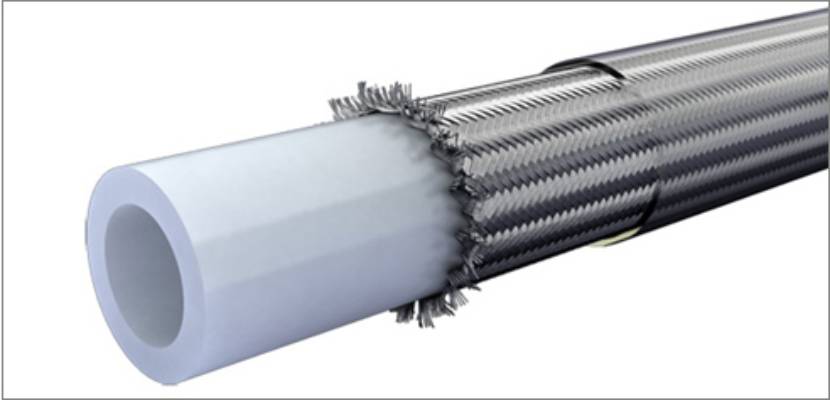
Featured Image Source: https://www.jreltd.com/images/ptfe-hoses/pic1.jpg

Plumbing Upgrades That Increase Your Home's Value

Plumbing Upgrades That Increase Your Home’s Value

Introduction: The Hidden Value in Your Pipes

Most homeowners think about kitchen remodels or fresh paint when considering value-adding improvements. Yet, what lies behind the walls often matters just as much to savvy home buyers. Plumbing upgrades, though less visible than cosmetic changes, can dramatically increase a property’s worth while providing immediate benefits to the current residents. These improvements range from simple fixture replacements to complete system overhauls, each offering its own return on investment.

Smart Investments Start with Professional Assessment

Before diving into any plumbing project, homeowners should consult a local plumber in my area for a comprehensive evaluation of their existing plumbing systems. These professionals can identify which upgrades would yield the greatest value for a specific property. Older homes might require fundamental improvements like pipe replacement, while newer constructions might benefit more from efficiency upgrades. The right professional assessment prevents wasted money on unnecessary changes and ensures improvements truly add value.

Addressing Problem Areas First

Nothing devalues a home’s value faster than existing plumbing issues. Water stains, slow drains, or persistent clogs suggest more serious problems lurking beneath. Professional emergency drain cleaning services can reveal whether these symptoms indicate minor blockages or major system failures. Addressing these issues before they escalate not only preserves current value but prevents the substantial costs of water damage repair. Smart homeowners recognize that fixing problems today prevents valuation nightmares tomorrow.

High-Impact Bathroom Upgrades

Bathrooms receive particular scrutiny from potential buyers, making them perfect targets for value-adding improvements. Low-flow toilets, modern shower heads, and water-efficient faucets appeal to environmentally conscious buyers while promising lower utility bills. Replacing outdated fixtures with stylish, efficient alternatives transforms bathrooms from functional spaces into selling points. These relatively inexpensive upgrades offer impressive returns when properly highlighted during the selling process.

Kitchen Plumbing That Impresses Buyers

Kitchens remain the heart of most homes, and their plumbing features significantly impact buyer perception. Installing a high-efficiency dishwasher connection, adding a pot-filler above the stove, or upgrading to a touchless faucet combines practicality with luxury appeal. Modern garbage disposal systems and dedicated water filtration represent relatively small investments that can set a property apart from comparable listings. These upgrades speak to both convenience and quality of life.

Water Heater Modernization

Few plumbing upgrades offer better combined utility savings and buyer appeal than modern water heater systems. Tankless models provide endless hot water while reducing energy consumption by up to 34% compared to traditional units. Hybrid heat pump water heaters, though more expensive initially, deliver even greater long-term savings. For cost-conscious homeowners, even insulating an existing water heater and installing recirculation pumps can improve efficiency while demonstrating thoughtful maintenance to potential buyers.

Whole-House Water Systems

Water quality concerns have made filtration and softening systems increasingly desirable features. Whole-house water filtration removes contaminants, improves taste, and extends the life of appliances. Water softeners prevent scale buildup in pipes and fixtures, preventing premature replacements. These systems typically cost between $1,000 and $3,000 but can add significantly more to a home’s perceived value, especially in areas with known water quality issues.

Outdoor Plumbing Considerations

Exterior plumbing improvements offer both aesthetic and functional benefits. Dedicated irrigation systems with smart controllers reduce water waste while maintaining attractive landscaping. Frost-proof outdoor faucets prevent seasonal damage and impress buyers with their thoughtfulness. Even simple additions like convenient hose placements or outdoor sinks for gardening enhance a property’s usability and appeal to specific buyer interests without requiring major investments.

Conclusion: The Return on Plumbing Investment

Thoughtful plumbing upgrades represent some of the smartest pre-sale investments homeowners can make. Unlike purely cosmetic improvements, quality plumbing enhancements deliver both immediate benefits and long-term value. Potential buyers recognize and willingly pay premiums for homes with reliable, efficient, and modern plumbing systems. For homeowners considering which improvements to prioritize before listing, consulting with experienced plumbing professionals offers clarity and direction. Schedule a comprehensive plumbing assessment today to discover which specific upgrades would most significantly increase your home’s market value.

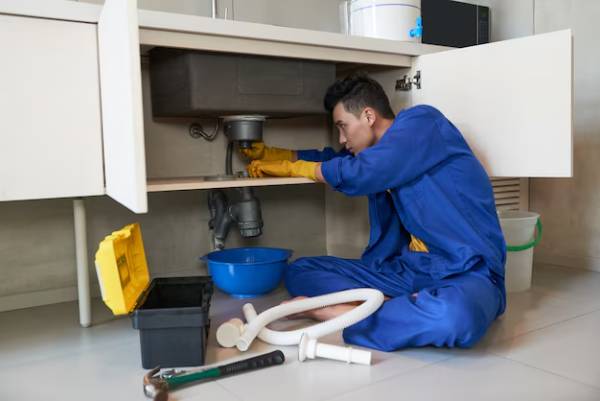
Featured Image Source: https://img.freepik.com/free-photo/asian-plumber-blue-overalls-clearing-blockage-drain_1098-17773.jpg

Emergency drain cleaning service

Signs Your Home Needs Professional Drain Cleaning: A Homeowner’s Guide

Recognize warning signs of drain issues before facing costly emergencies-early detection saves money and prevents disgusting water damage disasters down the road.

That weird, obnoxious glug-glug from your kitchen sink? It’s not just driving you crazy-it’s a cry for help from your home’s plumbing system. Most folks shrug off these early warning signs until disaster strikes. By then, you’re ankle-deep in dirty water, frantically mopping while trying not to gag from the smell.

Desperate homeowners frantically Google “drain cleaning near me” once water starts backing up, but smart property owners recognize the subtle hints before catastrophe hits. Nobody wants to deal with sewage overflow ruining their new carpet or family photos. Even worse, that backed-up water can hide dangerous bacteria that might make your kids or pets sick-something no parent wants to think about.

When your Sunday dinner is interrupted by completely blocked pipes, an emergency drain cleaning service becomes your only option-and weekend rates aren’t cheap! Monday morning emergency calls follow a frustratingly common pattern: “It was draining a little slow last week, but now nothing’s going down at all!” Professional plumbers shake their heads, knowing this crisis could’ve been avoided.

Warning Signs Your Drains Need Professional Attention

Trust your nose! That funky smell creeping up from your drains isn’t normal-it screams “bacteria party” happening in your pipes. Nobody wants their bathroom to smell like a forgotten gym bag.

Do you have multiple slow drains throughout your house? Forget the cheap liquid drain opener. You’ve got deeper troubles when your upstairs bathroom, kitchen sink, and laundry drain are sluggish. Those store-bought chemicals might even make things worse by corroding older pipes.

The absolute grossest red flag is water playing musical chairs in your plumbing. Flush the toilet, and water bubbles up in the shower. Run the washing machine and water gurgles in your basement drain. Yuck! This disgusting game signals a main line clog that needs immediate professional attention.

Benefits of Professional Drain Cleaning

Pro drain cleaning doesn’t just fix today’s blockage-it stops tomorrow’s emergency. Modern equipment scrubs pipe walls clean, removing years of gross build up that’s been narrowing your pipes slowly.

The coolest part of professional service? Camera inspections that spot brewing disasters. Tree roots secretly invading your sewer line or a crack letting dirt into your pipes won’t show obvious symptoms until significant damage happens. Catching these early can save thousands-money better spent on anything else.

Most folks don’t realize their slow-draining sink works like a ticking time bomb. Those backed-up pipes create pressure that strains connections and weakens seals. Before you know it, water’s seeping behind walls, under floors, and into places you can’t see until the damage becomes extensive.

Preventing Future Drain Problems

Simple household habits can dramatically reduce your drain drama. Those cheap little drain catchers are lifesavers, trapping hair and food chunks before they cause problems. And please-that bacon grease doesn’t belong down any drain! Let it cool and toss it in the trash instead.

Monthly five-minute maintenance beats emergency repairs every time. Just running scalding hot water down drains for several minutes helps melt away soap scum and light grease before they harden into concrete-like clogs.

Featured Image Source: https://images.pexels.com/photos/9462652/pexels-photo-9462652.jpeg

Five SEO Strategies That Will Work Specifically for Canadian Businesses

Five SEO Strategies That Will Work Specifically for Canadian Businesses

Getting noticed online is challenging—it’s downright maddening sometimes. Everyone knows the basic SEO stuff, but here’s the thing: what works in New York or London doesn’t necessarily cut it in Toronto or Vancouver. Canadian businesses operate in a completely different digital ecosystem.

The whole SEO Canada landscape has its weird quirks and unwritten rules. Trust me, I’ve seen too many decent companies blow their marketing budgets because they applied generic SEO advice to our market. Meanwhile, their more innovative competitors—who bothered to understand the Canadian context—zoomed past them on Google.

1. Grab That .ca Domain (Seriously, It Matters)

I’m not saying a .com domain is worthless, but Google gives preference to .ca domains for Canadian searches. It’s not even subtle. The search algorithms see your .ca domain as a big flashing “CANADIAN BUSINESS HERE!” sign.

And while we’re talking tech stuff—host your site on Canadian servers if possible. Why? Pages load faster for local visitors, and nobody waits for slow websites. Bounce rates kill rankings faster than almost anything else. Sort this foundation stuff out first, then worry about the fancy optimization tricks.

2. Remember, We Spell Things Oddly Here

Our bizarre Canadian English—half British, half American, all confusing—actually impacts search performance. We write “centre” instead of “center” and “colour” instead of “color.” It’s small stuff, sure, but it changes how people search.

Let’s not forget—nearly a quarter of Canadians speak French as their first language. If you’re ignoring French SEO, especially in Quebec or bilingual markets, you’re basically setting fire to potential revenue. Proper tags aren’t just nice to have—they’re essential for multilingual sites.

3. Go Hyper-Local With Keywords

Stop chasing impossible national keywords! Unless you’ve got big corporate money behind you, you’re wasting effort. The smart play? Drill down to provincial or even city-specific terms.

A plumber in Halifax doesn’t need to rank for “Canadian plumbing services”—they need to dominate “emergency plumber Halifax” searches. The competition drops dramatically while conversions skyrocket. It’s not about vanity metrics; it’s about connecting with nearby customers who need what you sell.

4. Get Listed on Our Local Directories

Google isn’t stupid. It checks if your business exists by looking for consistent information across the web. But here’s the crucial bit—Canadian-specific directories carry extra weight for our local rankings.

Yellow Pages Canada, Yelp.ca, and BBB Canada matter more here than generic international sites. Too many businesses skip this step and wonder why they’re invisible online. Each accurate listing is a vote of confidence that Google counts.

5. Create Content That Mentions Canada

This one drives me crazy. Generic articles about “winter trends” are useless when our winters last half the year and hit -40°C. Create resources that address Canadian regulations, compare available products, or discuss issues relevant to our market.

When you do this right, other Canadian sites naturally link to your content. Those backlinks from .ca domains are worth their weight in gold for your rankings. Google notices these patterns of relevance and rewards them accordingly.

Don’t wait until competitors figure this out first. While most businesses continue to invest in outdated tactics from American SEO blogs, companies using these Canada-specific approaches are steadily building unbeatable market positions. The choice seems pretty obvious.

Featured Image Source: https://images.pexels.com/photos/67112/pexels-photo-67112.jpeg

Sustainable Energy Solutions: Expert Solar Installation Across Ontario

Sustainable Energy Solutions: Expert Solar Installation Across Ontario

Will your family sit in the dark while the food in your fridge spoils? No, right? That is not an ideal scenario. No one wants to suffer like that.

This is exactly why solar installation in Ontario isn’t just some tree-hugger fantasy anymore—it’s becoming a must-have for folks who want control over their own situation. Think about it—the sun dumps free energy on your roof every single day.

Solar panel installation in Ontario has come a long way, but many regular people still hesitate—mostly because they get overwhelmed by all the technical jargon or don’t know the first thing about permits and connecting to the grid. 

The Money You’re Flushing Away

Let’s get honest about what waiting is costing you. Most Ontario households throw $100-200 at the utility company EVERY. SINGLE. MONTH. Do the math… that’s up to $2,400 a year! Now multiply that by the 25+ years a decent solar setup lasts. We’re talking about $60,000+ that could’ve stayed in your pocket. That’s a college education. That’s a vacation home. That’s a cushy retirement fund. 

When the Lights Go Out…

Power outages across Ontario have jumped 60% in the last decade. No joke. Mostly because storms are getting wilder; remember 2013? Over 300,000 Toronto folks sat freezing in the dark for DAYS during that ice storm but houses with solar+battery setups? They kept the lights on, the heat running, and didn’t lose a freezer full of food.

And yeah, there’s the whole climate thing too. Every kilowatt-hour from the grid in Ontario pumps about 40 grams of carbon dioxide into the air. For a typical family, using 9,000 kWh yearly is 360 kilos of pollution. Your grandkids will thank you for doing something about that mess before it worsens. 

What a Pro Installation Looks Like

The legit solar companies don’t just slap panels on your roof and call it a day. They start by figuring out exactly how much power you use, what your roof can handle, and how to maximize production in our northern climate. Cookie-cutter doesn’t cut it here.

Local installers who’ve been around the block know all the bizarre building codes, permit hoops, and utility red tape without breaking a sweat. That saves you headaches, time, and money when the inspector shows up or it’s time to connect to the grid.

The good outfits use equipment specifically built to handle Ontario conditions—like panels that can shrug off heavy snow loads and fancy micro-inverters that squeeze every possible watt out of our shorter winter days. They back everything with warranties that actually mean something. 

Getting Started Isn’t Rocket Science

The whole solar journey kicks off with somebody checking out your property situation. These days, they can use satellite images and computer models to figure out if your place is suitable before anybody sets foot on it—no cost, no obligation, no salesperson camped in your living room.

Can’t swing the upfront cost? No worries. For houses with decent sun exposure, there are financing deals where your monthly payment is LESS than what you’re saving on electricity. That means more money in your pocket starting from month one. Not year eight, not year ten… MONTH ONE.

The actual installation typically wraps up in 1-3 days. Nobody has been camping at your house for weeks. 

Stop Sitting on the Fence

Every month you wait is another $100-200 gone forever. Meanwhile, that carbon footprint keeps growing.

The smart money is already moving. Thousands of regular Ontario homeowners – teachers, nurses, factory workers, retirees – are already enjoying their solar setups. The only question left is whether you’ll be one of the forward-thinkers or one of the folks kicking themselves in five years, saying, “I should’ve done that sooner.”

Give a trusted local solar provider a call today. Get a free property assessment. Find out exactly what solar could do for YOUR specific situation. What’ve you got to lose except another big electricity bill?

Featured Image Source: https://images.pexels.com/photos/356036/pexels-photo-356036.jpeg

Chair Foam: Beyond Cushioning

Chair Foam: Beyond Cushioning

That subtle discomfort creeping up your spine after just an hour at your desk. The nagging back pain that follows you home after work. The chair that looked perfect in the showroom but now feels like sitting on concrete. These everyday frustrations share a common source that most people overlook—poor quality chair foam.

While most consumers and even many furniture manufacturers focus on aesthetics and frame design, the truth is that chair foam makes or breaks the sitting experience. It’s the difference between chairs that cause chronic pain and those that provide lasting comfort.

The Hidden Cost of Cutting Corners

When manufacturers save a few rupees by using low-density chair foam, they aren’t just cutting costs—they’re cutting your comfort short. Standard foam begins degrading almost immediately under regular use, with compression rates accelerating quickly after the first few months. A high-quality sofa foam sheet plays a crucial role in maintaining the shape, support, and longevity of your furniture, preventing premature sagging and discomfort.

The consequences go far beyond mere discomfort. Poor chair foam contributes to:

  • Improper posture leading to chronic back pain
  • Restricted blood circulation causing leg numbness
  • Pressure points that trigger sciatic nerve pain
  • Increased fatigue from constant subtle repositioning
  • Premature replacement costs as foam fails

Most concerning? These issues typically emerge gradually, creating health problems that people rarely connect back to their seating. By the time most realize their chair foam is the culprit, the damage is often already reflected in medical bills and decreased productivity.

Density: The Number That Determines Your Comfort

Not all chair foam is created equal. The key metric that separates temporary comfort from lasting support is density—typically measured in kilograms per cubic meter. While budget chairs often use foam with densities between 18-24 kg/m³, quality seating demands much more substantial materials.

Professional-grade chair foam starts at 30 kg/m³ and can reach 60 kg/m³ for specialized applications. This seemingly small numerical difference produces dramatic real-world results:

  • Low-density foam (18-24 kg/m³): Compresses 25-40% within first year, developing permanent depressions within 6-18 months
  • High-density foam (35+ kg/m³): Maintains 90%+ of original shape even after years of regular use

When sitting for extended periods—whether working, gaming, or relaxing—these differences become increasingly pronounced. The body instinctively detects inadequate support, triggering muscle tension as it tries to compensate for what the chair fails to provide.

Beyond Simple Cushioning: The Engineering Behind Comfort

Quality chair foam does far more than simply provide a soft place to sit. Advanced foam technologies deliver a complex balance of pressure distribution, temperature regulation, and resilient support.

Pressure Mapping and Distribution

Human bodies aren’t uniformly weighted—certain areas like the sitting bones (ischial tuberosities) create pressure concentrations that low-quality foam can’t effectively manage. Premium chair foam utilizes varied densities and strategic layering to distribute weight evenly, preventing the pressure points that cause numbness and pain.

Thermoregulation Properties

Standard foam creates a heat trap against the body, leading to uncomfortable sweating and sticking during extended sitting. This is known as thermoregulation. High-performance chair foam incorporates open-cell structures and sometimes phase-change materials that allow heat dissipation, maintaining comfortable body temperature even after hours in the same position.

Resilience vs. Simple Softness

The true test of chair foam isn’t how it feels during the first sit—it’s how it performs after thousands of hours of use. While lower-density options might initially feel adequately soft, they quickly lose resilience. Superior chair foam bounces back consistently, supporting healthy posture day after day, year after year.

Right Choice

Whether selecting office seating for hundreds or choosing a single chair for home use, understanding chair foam quality is essential. Ask specifically about foam density and layering before purchasing. Remember that true comfort isn’t just about what feels good during a brief showroom test—it’s about what continues performing after thousands of hours of real-world use.

The difference between ordinary chair cushioning and expertly engineered chair foam isn’t just about comfort—it’s about health, productivity, and long-term value. When chair foam is properly selected, sitting becomes what it should be: comfortable enough to forget you’re doing it at all.

Featured Image Source: https://flexipol.in/wp-content/uploads/2021/11/SCG_7268-1-768×493.png

Choosing The Best Car Accident Lawyer Or Neck Injury Attorney Near You

Choosing The Best Car Accident Lawyer Or Neck Injury Attorney Near You

Car accidents are life-altering incidents. Whether you are involved in a minor fender collision or a serious wreck, the ramifications often extend far beyond the immediate harm to your vehicle. Injuries, medical expenses, lost income, and emotional distress can all quickly accumulate, and it is important to have legal assistance to navigate the intricacies of your case.

When you contact a car accident lawyer near me they will:

  • Investigate the Accident: They can thoroughly investigate to find out who is liable and gather valuable evidence.
  • Negotiate with Insurance Companies: Insurance companies have a reputation for providing low settlements. An experienced attorney will ensure you receive proper compensation for your injury and property loss.
  • Represent You in Court: If negotiation does not yield a reasonable settlement, your attorney will represent you in court.

How To Find A Car Accident Lawyer Near Me

To find a car accident lawyer near me, you begin by searching reputable law firms and lawyers in your locality. Begin by:

  • Online Search: You can search “car accident lawyer near me” online to have a list of local experts at your fingertips.
  • Reading Reviews: Check reviews by previous clients who have gone through the same ordeals.
  • Requesting Recommendations: Word of mouth is gold, so go ask family and friends or your colleagues if they’ve had a good experience with a lawyer.

Neck Injury Attorneys: Expert Assistance When You Need It

If you’ve suffered a neck injury from a car accident or another incident, it’s important to consult a specialized neck injury attorney in Anchorage, AK. Neck injuries can range from minor sprains to severe conditions like herniated discs or spinal cord damage. These types of injuries often require long-term medical care and may affect your ability to work and lead a normal life.

A Neck Injury Attorney Will:

  • Get Adequate Medical Treatment: They will assist you in receiving the medical care required to record the severity of your injury.
  • Recover Reasonable Compensation: Neck injuries are usually subjected to lengthy treatments, rehabilitation, and even surgery. Your lawyer will assist you in recovering these expenses, pain, and suffering.
  • Represent You in Court Proceedings: If necessary, they will pursue your case in court to provide you with the best possible outcome.

If You’re In Anchorage, AK: How To Find A Neck Injury Attorney

If you are particularly searching for a neck injury lawyer in Anchorage, AK, you can do the same thing by searching online and reading reviews but ensure that you narrow it down to local specialists who understand Alaska’s laws and insurance procedures. Some of the important steps to identifying a good lawyer in Anchorage are:

  • Search for Local Law Firms: Search for firms with lawyers who have expertise in personal injury and neck injuries.
  • Talk to a Free Initial Consultation: Most attorneys provide free consultations, enabling you to speak with your case without committing immediately.
  • Make Sure the Attorney Has Neck Injury Experience: Neck injuries may include intricate medical information, so select an attorney who has particular experience in such cases.

What To Expect When You Work With A Lawyer

After you’ve located the right car accident attorney or neck injury lawyer, expect to:

  • Review Your Case: Your attorney will request all pertinent information, such as accident reports, medical history, and witness statements.
  • Learn About Legal Fees: Most personal injury attorneys represent clients on a contingency fee basis, which means they don’t receive payment unless you win your case.
  • Get Routine Updates: A reputable lawyer will keep you posted on the status of your case and significant deadlines.

Conclusion

Regardless of whether you’re coping with the consequences of a car accident or a sore neck injury, the right legal aid is crucial. Take the time to locate an attorney who is skilled at managing cases like yours and who will fight relentlessly on your behalf to defend your rights. Don’t be afraid to reach out to a car accident attorney or neck injury lawyer in your area to begin the process of receiving the compensation you’re entitled to.

If you happen to be located in Anchorage, AK, and you are experiencing a neck injury, consult a qualified neck injury attorney in order to obtain the personal touch and attention that your case necessitates.

Featured Image Source: https://www.pexels.com/photo/person-driving-bmw-car-13781/

Why You Ought to Get Your Master Franchise Agreement Reviewed by an Attorney

Why You Ought to Get Your Master Franchise Agreement Reviewed by an Attorney

A master franchise is a bilateral agreement between a franchisor and a master franchisee, which gives the master franchisee the authority to franchise in a particular territory or nation. The master franchisee further has the right to resell sub-franchises to other entities. The master franchisee enjoys greater responsibility than a regular franchisee, manages sub-franchisees, offers training, and upholds brand standards.

Since the master franchisee exercises a great deal of control and authority over the sub-franchisees, the master franchise agreement tends to have a vast scope of responsibilities, fees, and obligations. This renders it a far more complicated contract than a typical franchise agreement. This is why you need to review the master franchise contract:

Why Should You Have an Attorney Review Your Franchise Agreement?

Franchise agreements are formal, binding contracts with long-lasting consequences for your company. Without expert review, you may overlook essential clauses that may harm your rights, finances, or operations. Here’s why an attorney to review franchise agreement is a vital part of the process:

1. Understanding The Terms and Conditions

Master franchise contracts usually use technical legal jargon that is sometimes tricky to interpret. An attorney reviewing the franchise agreement will assist you in deciphering the terms and conditions of the contract and knowing precisely what you are agreeing to. This may entail knowing fees, terms for renewal, and operational demands you may be committing to. Failing to catch these may translate to pricey penalties down the road.

2. Spotting Red Flags

Franchise contracts can have provisions that favor the franchisor excessively, which might be disadvantageous to the master franchisee. A franchise lawyer can spot such warning signs, including exorbitant fees, territorial restriction clauses, or provisions that may restrict your operations. Your lawyer can negotiate such provisions to be more favorable to you.

3. Safeguarding Your Investment

A master franchise contract represents a large sum of money. Your attorney reviews the franchise agreement to ensure that the franchisor is responsible and that the terms represent a realistic and equitable investment for the payoff.

4. Compliance With Local Laws

Depending on the country or state where you will be running the franchise, there could be laws that regulate franchising. A seasoned franchise lawyer will see that the contract meets all the local laws, regulations, and licensing laws. This is especially so in international franchising, where legal systems and laws differ.

5. Negotiating Better Terms

Lawyers who are well-versed in franchising negotiations can assist you in getting better terms in your contract. Whether negotiating a reduced franchise fee, amending limiting territorial provisions, or obtaining improved support from the franchisor, a lawyer can assist in representing your best interests and ensuring that the contract is balanced and equitable.

6. Exit Strategy and Termination Clauses

Having a lawyer look at your franchise agreement guarantees that you know how to get out of the agreement in case you need to. A franchise agreement should have a definitive termination clause specifying the circumstances under which you can leave the franchise and what happens if you do so. A lawyer will make these clauses fair and not penalize you unfairly if things don’t work out as expected.

7. Safeguarding Your Intellectual Property

Your master franchise will probably have valuable intellectual property rights (IP), including trademarks, logos, and proprietary business practices. Your lawyer will scrutinize how the franchise agreement protects IP rights to ensure you are not unwittingly sacrificing any rights in the brand or other proprietary resources.

Conclusion

A master franchise agreement is a big milestone in your business life, and making a decision with a clear mind is important. Reviewing the franchise agreement by an attorney guarantees that you comprehend the terms and conditions before committing to a long-term arrangement. An attorney can assist in safeguarding your investment, finding potential traps, negotiating more favorable terms, and ensuring compliance with the law.

With the complexity and long-term nature of a franchise agreement, it is not only prudent to invest in professional legal counsel, but it is essential to protect your business interests.

If you’re looking at a master franchise agreement, don’t sign on the dotted line without having an attorney review the contract first. It may save you from expensive errors and secure the long-term success of your franchise business.

Featured Image Source: https://images.pexels.com/photos/9367109/pexels-photo-9367109.jpeg

When to See a Cardiologist? Signs You Shouldn’t Ignore

When to See a Cardiologist? Signs You Shouldn’t Ignore

Much like a small engine, the heart works hard to keep us running every moment. However, like any engine, it requires regular service, check-ups, and sometimes urgent attention. The trouble with that? For some, the warning signs are often ignored until it is too late.

Then how will you know exactly when to visit the best cardiologist in Ranchi? Let’s break it down step-by-step.  

1. Discomfort in the chest is to be taken other than mere heartburn

If it feels like some old, weird tightness, pressure, or heavy burden is weighing your chest down, this is no spicily seasoned food haunting you, in fact, it is chest discomfort, especially when recurrently coming and typically painless or worsens with activity. At least you remain conscious of the discomfort in your chest—you ought to be checked out.

2. Shortness of breath-not a mere condition of unfitness

Climbing stairs should not be similar to a marathon run. If you huff and puff too much after the minimal exertion, your heart may have difficulties pumping blood efficiently. In severe conditions, waking up with a gasping breath could be a sign of heart failure.

3. Lightheadedness or fainting- the heart signals for “help”  

Lightheadedness or fainting is not just a dramatic showing; it is something that indicates that your heart is not pumping enough blood to your brain and is an essential red flag. Therefore, one should not dismiss such conditions as arising just because of “dehydration” unless verified by a doctor.

4. Hypertension – The Silent Culprit

Hypertension rarely presents with symptoms, hence its classification as a “silent killer.” When readings are persistently high, your heart will be forced to work hard, increasing the risk of heart attack and stroke. A cardiologist will support you in managing that before it escalates.

5. Irregular Heartbeat – Skipping More than One Beat

An occasional skipped beat from stress or caffeine may not be a big deal. However, it could be an arrhythmia if it races, flutters, or does a little dance without any prompting. Some arrhythmias are innocuous, while others can be life-threatening. It would be best to have it checked.    

6. Family History – Some Genetics Play a Role

Any time your family has a history of heart disease, it must set off alarm bells. Genetics can make you more susceptible even if you eat a healthy diet and exercise regularly. A cardiologist will be able to assess your risk factors and recommend ways to protect yourself.

7. Smoking – Bad for the Heart

Smoking is the greatest enemy of the heart. Even if you quit smoking, the damage already may put you at risk. Regular checkups from the cardiologist can nip future problems in the bud.

Final Thoughts: Listen to Your Heart (Literally)

Your heart doesn’t have a lighted warning system like your car does, but it sends clear signals when in grief. The trick is to listen. If anything feels “off,” don’t ignore it or write it off as ageing, stress, or a busy life. A visit to a cardiologist may seem unnecessary, but once detected, heart problems can spare you a great deal of trouble later.

Featured Image Source: https://images.pexels.com/photos/5206956/pexels-photo-5206956.jpeg