Category: General

Rapid Response: Addressing Urgent Plumbing Needs Day or Night

Rapid Response: Addressing Urgent Plumbing Needs Day or Night

Plumbing emergencies strike without warning, often during the most inconvenient times. Water damage spreads rapidly through homes, causing thousands of dollars in structural damage within hours. Quick action becomes the difference between minor repairs and major renovations that disrupt daily life.

Professional water leak detection services utilize advanced thermal imaging and acoustic equipment to locate hidden leaks behind walls and under foundations. These specialized tools identify moisture problems before visible damage appears. Early detection prevents mold growth and structural deterioration that threatens property values.

Finding a qualified local plumber in my area ensures rapid response times during critical situations. Local professionals understand regional building codes and common plumbing issues specific to the area. Their proximity allows immediate assessment and emergency repairs when every minute counts toward preventing further damage.

Common Plumbing Emergencies Requiring Immediate Attention

  • Burst Pipe Situations: Freezing temperatures cause pipes to expand and rupture, releasing hundreds of gallons of water per hour into living spaces. The resulting flood damages flooring, walls, and personal belongings while creating dangerous electrical hazards. Immediate shutoff and professional repair prevent catastrophic property loss.
  • Severe Water Leaks: Hidden leaks behind walls slowly saturate building materials, creating perfect conditions for mold growth and wood rot. These silent destroyers compromise structural integrity while increasing utility bills through wasted water. Professional detection and repair protect both health and property investments.
  • Blocked Drain Emergencies: Complete drain blockages cause sewage backups that contaminate living spaces with dangerous bacteria and unpleasant odors. Raw sewage creates serious health hazards requiring immediate professional cleaning and sanitization. Delayed response increases contamination spread and cleanup costs significantly.

Emergency Response Protocols and Immediate Actions

  • Water Shutoff Procedures: Locating the main water valve becomes critical during burst pipe emergencies to stop continuous flooding. Most shutoff valves require clockwise rotation to close completely. Quick valve closure prevents additional water damage while awaiting professional repairs.
  • Damage Assessment Steps: Document all visible water damage with photographs before cleanup begins for insurance claims processing. Remove valuable items from affected areas to prevent further loss. Professional assessment identifies hidden damage requiring specialized drying and restoration equipment.
  • Safety Precautions: Electrical hazards increase dramatically when water contacts outlets, switches, or appliances throughout the home. Turn off electrical power to affected areas before entering flooded spaces. Standing water conducts electricity and creates potentially fatal shock risks. 

Professional Emergency Service Benefits

  • 24/7 Availability: Emergency plumbing services operate around the clock to address urgent situations regardless of timing or weather conditions. Weekend and holiday coverage ensures help arrives when regular businesses remain closed. Immediate response prevents minor issues from becoming major disasters.
  • Specialized Equipment Access: Professional plumbers carry advanced tools including pipe cameras, hydro-jetting equipment, and leak detection devices unavailable to homeowners. These specialized tools enable accurate diagnosis and efficient repairs. Proper equipment ensures long-lasting solutions rather than temporary fixes.

Key advantages of professional emergency services include:

  • Advanced diagnostic equipment for accurate problem identification
  • Comprehensive repair capabilities for complex plumbing systems
  • Insurance coordination and damage documentation assistance
  • Emergency water extraction and drying services
  • Preventive maintenance recommendations to avoid future emergencies

Conclusion

Emergency plumbing situations demand immediate professional intervention to minimize property damage and protect family safety. Quick response times, proper equipment, and experienced technicians ensure effective repairs that prevent recurring problems. Don’t wait for minor issues to become major disasters—contact qualified professionals immediately when plumbing emergencies arise.

Featured Image Source: https://media.gettyimages.com/id/2154268643/photo/a-handyman-working-in-a-clients-kitchen.jpg

Understanding Power Needs: Matching Batteries to Your Home and Office in Kenya

Understanding Power Needs: Matching Batteries to Your Home and Office in Kenya

Power outages remain a persistent challenge across Kenya, making battery backup systems essential for maintaining productivity and comfort. Most households and businesses struggle with selecting appropriate battery solutions that match their specific energy requirements. Understanding power consumption patterns helps determine the right battery capacity, type, and configuration for reliable operation. Proper assessment prevents costly mistakes and ensures optimal performance during critical periods when mains power fails unexpectedly.

Battery prices in Kenya vary significantly based on technology, capacity, and brand quality, affecting long-term operational costs and reliability expectations. Deep cycle batteries typically cost between KSh 15,000 and KSh 45,000 depending on amp-hour ratings and construction quality. Laptop batteries range from KSh 3,500 to KSh 12,000 whilst AA/AAA alkaline batteries cost KSh 50-200 per pack. Understanding price variations helps budget appropriately for quality systems that deliver consistent results over time without frequent replacement requirements.

Advanced battery technologies offer different performance characteristics suited to specific applications and usage patterns in Kenyan environments. Lead-acid batteries provide cost-effective solutions for UPS and solar backup requirements but need regular maintenance and careful charging management. Laptop batteries utilise lithium-ion technology delivering exceptional energy density and fast charging capabilities ideal for portable computing applications. AA/AAA batteries serve everyday electronic devices with alkaline variants offering superior performance compared to standard zinc-carbon alternatives commonly available locally.

Assessing Your Power Requirements

  • Daily Energy Consumption Analysis: Calculate total daily power consumption by listing all devices and their operating hours to determine baseline energy requirements. Essential appliances like refrigerators, lighting, and communication equipment typically consume 3-8 kWh daily in average households. Laptops typically draw 45-65 watts during operation whilst portable devices using AA/AAA batteries consume minimal power but require regular replacement. Recording actual usage patterns over several days provides accurate data for proper battery sizing and backup duration planning.
  • Peak Load Considerations: Identify maximum simultaneous power draw to ensure battery systems can handle startup surges and concurrent device operation. Motor-driven appliances like pumps, compressors, and power tools create temporary high-current demands exceeding normal operating levels. UPS battery systems must accommodate these peak loads whilst maintaining stable voltage output for sensitive electronic equipment including laptops and networking hardware. Undersized systems experience voltage drops, reduced efficiency, and potential equipment damage during high-demand periods affecting productivity significantly.
  • Backup Duration Requirements: Determine minimum backup time needed based on typical outage durations and critical operation requirements in your specific location. Rural areas often experience longer outages requiring 8-12 hours of backup capacity for essential functions including laptop charging and communication devices. Urban locations may need 2-4 hours of backup for basic operations until mains power restoration occurs predictably. Extended backup requirements significantly increase battery bank size and associated costs requiring careful balance between needs and budget constraints.

Battery Technologies for Kenyan Applications

  • Lead-Acid Battery Systems: Traditional flooded lead-acid batteries offer proven reliability and lowest initial cost for UPS and solar backup applications requiring minimal maintenance capabilities. These systems require regular water topping, terminal cleaning, and proper ventilation to prevent gas accumulation during charging cycles. Typical service life ranges from 3-5 years with proper maintenance but performance degrades significantly with deep discharge cycles. Suitable for applications where low cost outweighs convenience and maintenance requirements for reliable backup power.
  • Laptop Battery Technology: Lithium-ion laptop batteries provide superior energy density with 2-4 year service life depending on usage patterns and charging habits. These batteries incorporate protection circuits preventing overcharging, overheating, and excessive discharge that could damage expensive laptop computers permanently. Proper charging practices including avoiding complete discharge cycles and maintaining moderate temperatures extend battery service life significantly. Replacement batteries should match original specifications ensuring compatibility and optimal performance with specific laptop models.
  • AA/AAA Battery Options: Alkaline batteries offer superior performance compared to zinc-carbon alternatives with longer service life and better temperature tolerance for everyday devices. Rechargeable NiMH variants provide cost-effective solutions for high-drain devices like digital cameras, gaming controllers, and portable electronics used frequently. Lithium variants deliver exceptional performance in extreme temperatures and extended shelf life but cost significantly more than alkaline alternatives. Proper selection depends on device requirements, usage patterns, and cost considerations for optimal value.

Matching Batteries to Specific Applications

  • Home Backup Systems: Residential UPS battery systems typically support essential loads including lighting, refrigeration, communication devices, and laptop charging during power outages. Standard configurations range from 200-800 amp-hours at 12V or 24V depending on house size and backup requirements for reliable operation. Solar integration requires compatible charge controllers and proper system sizing to accommodate both solar input and battery charging needs. System expandability allows gradual capacity increases as power requirements grow over time with additional devices.
  • Office and Commercial Applications: Commercial UPS battery systems must support computer equipment, networking hardware, security systems, and essential business operations during extended outages. These systems provide immediate backup for sensitive electronic equipment including servers, workstations, and networking devices whilst larger battery banks support general lighting loads. Laptop batteries ensure portable productivity during outages whilst AA/AAA batteries maintain operation of wireless devices, clocks, and emergency equipment. Critical applications may require redundant battery systems ensuring continuous operation even during battery maintenance scenarios.
  • Portable Device Requirements: Different portable devices require specific battery types optimised for their power consumption patterns and operational requirements in various environments.
    • High-drain devices like digital cameras need rechargeable AA batteries for cost-effective operation
    • Remote controls and clocks operate efficiently with alkaline AA/AAA batteries lasting months
    • Gaming devices require rechargeable batteries to manage frequent use and high power demands
    • Emergency radios need long-shelf-life lithium batteries for reliable operation during emergencies
    • Laptop users need compatible replacement batteries maintaining original performance specifications

System Design and Configuration Considerations

  • UPS System Sizing: UPS battery system voltage affects inverter selection, wiring requirements, and overall system efficiency for different applications and power levels. 12V systems suit small applications under 1000 watts but require heavy wiring for higher power requirements increasing installation costs unnecessarily. 24V configurations provide good balance between simplicity and efficiency for medium-power applications up to 3000 watts including multiple laptops. 48V systems maximise efficiency for large installations whilst reducing current flow and associated wiring costs for commercial applications.
  • Battery Bank Configuration: UPS battery bank configuration affects system capacity, voltage, and reliability requiring careful planning to match specific application requirements and constraints. Series connections increase voltage whilst maintaining capacity but failure of a single battery affects entire string performance during critical operations. Parallel connections increase capacity whilst maintaining voltage but require matched batteries to prevent uneven charging and premature failure. Combination configurations provide flexibility but increase complexity and monitoring requirements for optimal performance.
  • Charging System Integration: Proper charging systems ensure optimal battery performance and service life whilst preventing damage from overcharging or insufficient charging cycles. Multi-stage chargers provide bulk, absorption, and float charging phases optimised for lead-acid UPS batteries and solar applications operating reliably. Laptop charging systems incorporate intelligent circuits managing battery health and charging rates automatically for user convenience. Solar charge controllers must match battery type and system voltage whilst providing proper charging algorithms for reliable operation.

Installation and Maintenance Best Practices

  • Environmental Considerations: Battery installation location affects performance, safety, and service life requiring proper ventilation, temperature control, and protection from environmental hazards. High temperatures accelerate battery degradation whilst low temperatures reduce available capacity and charging efficiency in extreme conditions commonly encountered. Ventilation prevents gas accumulation from lead-acid charging cycles whilst protecting batteries from moisture, dust, and physical damage during operation. Proper mounting ensures secure installation preventing movement and terminal damage whilst maintaining accessibility for maintenance requirements.
  • Battery Care and Maintenance: Regular monitoring ensures optimal battery performance and prevents premature failure through early detection of potential problems and maintenance needs. UPS battery voltage monitoring indicates charging status and battery condition whilst specific gravity testing reveals electrolyte condition in flooded batteries. Laptop batteries benefit from proper charging habits including avoiding extreme temperatures and maintaining partial charge during storage periods. AA/AAA batteries should be removed from devices during extended storage preventing corrosion damage from leakage.

Cost Analysis and Return on Investment

  • Initial Investment Comparison: Battery system costs vary significantly based on technology, capacity, and quality requiring careful evaluation of total ownership costs rather than initial purchase price alone. Lead-acid UPS systems offer lowest initial cost but higher replacement frequency and maintenance requirements increase long-term expenses significantly over time. Laptop batteries require periodic replacement as natural degradation affects performance whilst AA/AAA rechargeable options provide better value than disposable alternatives for frequent-use devices. Professional installation costs should be included in total system investment calculations for accurate comparison.
  • Operating Cost Factors: Ongoing costs include electricity for charging, maintenance supplies, monitoring equipment, and eventual replacement affecting total system economics over operational lifetime. Efficiency differences between battery technologies affect charging costs whilst maintenance requirements impact labour and supply expenses for optimal performance. Rechargeable AA/AAA batteries reduce ongoing costs compared to disposable alternatives whilst laptop battery replacement affects computing productivity and operational expenses. Replacement frequency significantly affects long-term costs with quality batteries from reliable suppliers providing better value despite higher initial investment.

Conclusion

Selecting appropriate battery systems for Kenyan homes and offices requires careful assessment of power needs, technology options, and long-term cost considerations for optimal results. Understanding daily consumption patterns, peak loads, and backup duration requirements ensures proper UPS system sizing whilst laptop and AA/AAA battery selection affects device performance significantly. Professional consultation helps navigate technical complexities and ensures compliant installation meeting safety and performance standards for reliable operation across all battery applications.

Ready to upgrade your power backup system? Contact Almiria Techstore today for expert consultation on UPS batteries, laptop batteries, and AA/AAA solutions perfectly matched to your specific requirements and budget, ensuring reliable power when you need it most.

Featured Image Source: https://www.almiriatechstore.co.ke/wp-content/uploads/2021/12/ExpertPower-12V-4.5AH-Sealed-Lead-Acid-SLA-Battery.-300×342.jpg

Dealing With Personal Injury Cases

Dealing With Personal Injury Cases

Physical injury laws are designed to compensate victims so they can restore their pre-accident lives to the greatest extent possible. However, despite the laws favoring the victim, the wrongdoers often get off without strict punishment. The reason for the same is simple. Lack of good legal representation. The best way to ensure this does not happen to you as a victim is by appointing a good Alaska personal injury lawyer. These lawyers do not possess only the theoretical knowledge but also have the practical experience of making things happen.

Personal Injury Causes And Cases

Personal injury is a diverse yet very crucial part of any legal system. Ranging from different injuries, physical, to financial, emotional, and psychological, there is a lot that can be covered under physical injury. Some of the most common examples of personal injury are slip and fall, dog bites, workplace accidents, sports injuries, bicycle crashes, assault, construction site accidents, motorcycle accidents, or an innocent pedestrian getting hit by a vehicle. The impact of such an accident can be minor to damaging in all ways, whether physical, financial, emotional, or psychological.

One of the most common kind of physical injury that often result in serious damage is a car accident. Injuries caused in a car accident range from minor scratches to whiplash, concussions, and broken bones. Usually caused by reckless driving habits like using a phone while driving or driving under the influence. Sometimes, accidents might also happen due to bad weather or damaged roads.

But whatever the reason may be, the person on the receiving end of the accident hardly has a good time after. In several cases, people are not only injured severely, but are left with lifelong conditions that cannot be cured, at least not fully. Given the damning effect of such accidents, the law ensures that the victims hurt in a car accident Anchorage are compensated fairly.

How Will An Alaska Personal Injury Lawyer Help?

A top Alaska personal injury lawyer brings more than legal advice—they bring advocacy, strategy, and support. They handle everything from investigating the accident scene to gathering medical records and dealing with insurance companies. Their goal is to prove negligence and fight for the highest compensation possible. If you’ve been hurt in a car accident in Anchorage, they ensure your rights are protected and the responsible party is held accountable. Whether negotiating settlements or representing you in court, their expertise can distinguish between minimal recovery and a fair, life-rebuilding outcome.

Conclusion

When you’re dealing with the aftermath of a serious incident, especially if you’ve been hurt in a car accident in Anchorage, having the right legal support is essential. A skilled Alaska personal injury lawyer understands the legal landscape and the emotional and financial distress you may be facing. Their goal is to secure maximum compensation and hold the responsible party accountable. With their guidance, you won’t have to face the complex legal system alone. Instead, you’ll have a dedicated advocate helping you rebuild and recover while protecting your rights.

Featured Image Source: https://cdn.pixabay.com/photo/2018/10/09/08/20/auto-3734396_1280.jpg

Scheduling Software Isn't Just for Admins—It Benefits Teachers Too

Scheduling Software Isn’t Just for Admins—It Benefits Teachers Too

Modern schools face mounting pressure to balance competing demands. Teachers juggle multiple responsibilities while administrators struggle with timetabling complexities. The traditional approach of manual scheduling often leaves educators feeling overlooked. Their needs get pushed aside in favor of administrative convenience. This creates unnecessary stress and reduces teaching effectiveness across the board.

Smart school schedule builder technology changes this dynamic completely. Teachers discover their professional lives improve when scheduling software considers their specific requirements. The technology doesn’t just serve administrative purposes. It recognises that educator satisfaction directly impacts student outcomes. Schools implementing these systems report higher teacher retention rates and improved classroom performance metrics.

Modern scheduling platforms analyze teacher preferences alongside curriculum requirements. The software considers factors like preparation time, subject expertise, and classroom proximity. Teachers benefit from reduced conflicts between their various duties and responsibilities. The system prevents double-booking and ensures adequate transition time between classes. This attention to detail creates a more sustainable working environment for educational professionals.

Workload Balance Through Smart Distribution

Teacher burnout rates continue climbing across educational institutions. Traditional scheduling methods often overload certain staff members whilst under utilising others. Manual systems struggle to track individual teacher capacities and commitments. The result is uneven distribution of responsibilities that leaves some educators overwhelmed. Smart scheduling software addresses these imbalances through data-driven workload analysis.

The technology monitors teaching loads across different subjects and grade levels. It considers factors like class sizes, special needs students, and extracurricular duties. Teachers receive more equitable distribution of challenging assignments and administrative tasks. The software prevents any single educator from bearing disproportionate responsibility. This balanced approach reduces stress and improves job satisfaction throughout the school.

Advanced algorithms calculate optimal teaching loads based on experience and expertise. New teachers receive appropriate support through manageable schedules and mentoring opportunities. Veteran educators get recognition for their skills through strategic class assignments. The system ensures that each teacher’s unique strengths contribute to overall school success. This personalized approach creates a more supportive professional environment.

Room Assignments That Actually Make Sense

Teachers often waste precious time moving between distant classrooms throughout the day. Poor room assignments create logistical nightmares that reduce instructional time. Manual scheduling rarely considers geographic proximity when assigning spaces. Teachers end up rushing across campus between classes, arriving breathless and disorganised. Smart scheduling software eliminates these unnecessary complications through strategic room allocation.

The technology maps physical spaces and calculates optimal movement patterns. Teachers receive room assignments that minimise transition time and maximise preparation opportunities. Science teachers get consistent access to laboratory facilities when needed. Art educators receive studios equipped with proper ventilation and storage. The software considers both subject requirements and individual teacher preferences.

Specialised equipment becomes more accessible when scheduling considers resource availability. Music teachers don’t compete for practice rooms during peak hours. Physical education instructors receive gymnasium access aligned with their programme needs. The system tracks equipment usage and maintenance schedules to prevent conflicts. This coordinated approach ensures that teachers have the tools they need when they need them.

Honouring Time Preferences and Personal Needs

Teachers have lives outside school that deserve consideration during scheduling. Some educators perform better during morning hours whilst others prefer afternoon sessions. Family commitments, medical appointments, and professional development activities all impact availability. Traditional scheduling often ignores these personal factors, creating unnecessary conflicts. Smart systems accommodate individual preferences whilst maintaining educational quality.

The software allows teachers to input their preferred working hours and availability constraints. Parents can request schedules that align with their children’s school hours. Educators pursuing advanced degrees receive consideration for evening class attendance. The system balances personal needs with institutional requirements. This flexibility improves teacher satisfaction and reduces requests for schedule changes.

Part-time teachers benefit from scheduling that maximises their limited hours. The software clusters their classes to reduce travel time and increase efficiency. Substitute teachers receive consistent assignments that build familiarity with specific schools. The technology creates win-win scenarios that serve both individual and institutional needs. Teachers feel valued when their personal circumstances receive appropriate consideration.

Reducing Conflicts and Increasing Focus

Schedule conflicts drain energy and reduce teaching effectiveness. Teachers struggle when pulled between competing obligations and overlapping responsibilities. Double-booked meetings, conflicting duties, and inadequate preparation time create constant stress. Manual scheduling systems often miss these conflicts until problems arise. Smart software prevents these issues through comprehensive conflict detection and resolution.

The technology identifies potential problems before schedules become final. Teachers receive advance notice of any conflicts requiring resolution. The system suggests alternative arrangements that maintain educational quality. Automated conflict resolution reduces the administrative burden on both teachers and schedulers. This proactive approach creates smoother operations throughout the academic year.

Professional development opportunities become more accessible when scheduling prevents conflicts. Teachers can attend training sessions without worrying about missed classes. The software coordinates substitute coverage and rescheduling needs. Educators receive the support they need to grow professionally. This investment in teacher development ultimately benefits students and the entire school community.

Supporting Collaboration and Team Planning

Teachers work more effectively when they can collaborate with colleagues. Subject-specific teams need common planning time to coordinate curriculum delivery. Grade-level teachers benefit from shared preparation periods. Traditional scheduling often makes these collaborations difficult or impossible. Smart systems prioritise teacher collaboration through strategic schedule coordination.

The software identifies opportunities for joint planning and professional collaboration. Teachers receive aligned preparation periods that facilitate teamwork. Subject departments get common meeting times that don’t conflict with other obligations. The technology supports both formal and informal collaboration opportunities. This emphasis on teamwork improves educational outcomes and teacher satisfaction.

Cross-curricular projects become more feasible when teachers can coordinate their schedules. The software helps identify opportunities for integrated learning experiences. Students benefit from cohesive educational programmes that connect different subjects. Teachers enjoy the creative satisfaction of collaborative curriculum development. Smart scheduling makes these innovative approaches more practical and sustainable.

Technology That Adapts to Educational Needs

Schools change constantly, and scheduling software must adapt accordingly. New teachers join the staff whilst others retire or transfer. Enrolment fluctuations require class size adjustments and programme modifications. Traditional scheduling struggles to accommodate these ongoing changes. Smart systems provide the flexibility needed to respond to evolving circumstances.

The technology learns from past scheduling decisions and improves future recommendations. Teachers provide feedback that helps refine the system’s understanding of their needs. The software identifies patterns and trends that inform long-term planning decisions. This continuous improvement process ensures that scheduling becomes more effective over time. Schools benefit from technology that grows smarter with experience.

Emergency situations require rapid schedule adjustments that manual systems cannot handle. The software quickly identifies available substitutes and alternative arrangements. Teachers receive immediate notification of changes affecting their schedules. This rapid response capability reduces disruption and maintains educational continuity. Smart scheduling provides the agility needed in today’s dynamic educational environment.

Conclusion

Teachers deserve scheduling technology that recognises their professional needs and personal circumstances. Smart school schedule builder systems create better working conditions through balanced workloads, sensible room assignments, and respected preferences. The technology reduces conflicts whilst increasing instructional focus. Schools implementing these systems report improved teacher satisfaction and student outcomes. Contact educational technology specialists to explore how smart scheduling can transform your school’s operations and support your teaching staff.

Featured Image Source: https://img.freepik.com/free-photo/school-teacher-background-sitting-desk-students_23-2147885338.jpg

Sedan Service Airport vs. Ride-Share: Which Is Right for Your Travel Needs?

Sedan Service Airport vs. Ride-Share: Which Is Right for Your Travel Needs?

Picture this: You’re rushing through the terminal after a delayed flight, luggage in tow, only to discover your ride-share driver canceled at the last minute. Your heart sinks as you watch surge pricing climb while you desperately tap your phone screen. Sound familiar? Travel stress doesn’t have to begin or end at the curb. Your journey deserves better than crossed fingers and last-minute scrambles for transportation. Smart travelers know that the right airport transfer sets the tone for their entire trip—whether you’re heading to a crucial business meeting or celebrating a milestone vacation.

Skip the Guesswork—Arrive Relaxed Every Time

Sedan service airport options transform uncertainty into confidence. Your professional chauffeur tracks your flight status automatically, so whether you land early or face delays, your ride adapts without you lifting a finger. No more anxious phone calls or frantic rebooking—just smooth arrivals that let you transition from airplane mode to business mode seamlessly.

Business travelers discover what peace of mind really costs when they experience truly predictable service. While ride-share prices swing wildly based on demand, professional car services lock in your rate at booking. You’ll budget with certainty and arrive with confidence, knowing exactly what you’re paying before you even pack your bags.

The Real Price of “Cheap” Transportation

That tempting low fare on your ride-share app? It’s just the beginning. Watch surge pricing multiply your costs during rush hour, bad weather, or special events. Add unexpected fees, lengthy wait times, and the occasional no-show driver, and that “budget” option suddenly feels expensive.

Professional transportation flips this script entirely. You pay one transparent price that never changes, regardless of traffic jams, thunderstorms, or airport chaos. More importantly, you’re investing in reliability that protects your most valuable asset—your time. Missing a flight connection or important meeting because of transportation failure costs far more than any fare difference.

Luxury That Actually Matters

Forget about wondering whether your ride will be a pristine sedan or a mystery vehicle with questionable history. Professional services guarantee late-model luxury vehicles chosen specifically for airport transfers. Spacious interiors accommodate your luggage effortlessly while premium amenities help you decompress or prepare for what’s ahead.

Ride-share roulette means every trip becomes a surprise. Today’s spotless car might be tomorrow’s cramped, uncomfortable ride with a driver who’s clearly having a rough day. When your travel experience matters—especially for business or special occasions—why leave comfort to chance?

Expertise Money Can’t Buy on Apps

Your professional chauffeur brings something no GPS can replicate: years of specialized airport knowledge. They navigate construction zones before your app even knows they exist, choose optimal routes based on real-time conditions, and understand which terminals offer the smoothest pickup experience.

These aren’t casual drivers earning side income—they’re transportation professionals who’ve mastered the art of stress-free airport transfers. They know exactly where to meet you, which entrance saves you the most walking, and how to handle your luggage like it matters to them too.

Turn Travel Time Into Your Secret Weapon

Transform those airport minutes from dead time into productive gold. Professional vehicles create your private mobile office where confidential calls happen securely and last-minute preparation unfolds without interruption.

Privacy becomes priceless when you’re discussing sensitive business matters or simply need mental space before important events. Without strangers rotating through shared rides, you control your environment completely—making every minute work for you instead of against you.

When Details Make All the Difference

Special requests shouldn’t require special prayers. Professional services excel at accommodating your unique needs before you even step outside. Child seats, medical equipment, delicate instruments, or unusual luggage—they handle it all with the attention your situation deserves.

Your chauffeur becomes your partner in protecting what matters most. Fragile items receive careful handling, valuable equipment gets secure transport, and passengers with mobility needs find genuine assistance—not reluctant accommodation.

Milestone Moments Deserve Flawless Execution

Your wedding day, anniversary celebration, or once-in-a-lifetime trip shouldn’t hinge on transportation luck. Professional services understand that some occasions demand perfection, not “probably good enough.”

Coordinating group travel reveals where ride-share convenience breaks down completely. Professional fleets offer everything from intimate executive sedans to spacious passenger vans, ensuring your entire party travels together in consistent luxury. No more juggling multiple apps, different arrival times, or varying service quality across your group.

Smart Choices for Conscious Travelers

Modern professional services lead sustainability efforts with hybrid and electric vehicle options that outperform typical ride-share environmental standards. Efficient routing and strategic positioning reduce unnecessary empty miles—benefiting both your conscience and the planet.

Every coordinated pickup eliminates the wasteful “deadheading” common in ride-share networks, where drivers cruise aimlessly between fares. Professional efficiency translates into genuine environmental benefits.

Your Next Trip Starts With This Decision

The choice becomes clear when you weigh what really matters: reliability over randomness, professionalism over chance, and peace of mind over saving a few dollars that stress will cost you anyway.

Ready to experience travel the way it should be? Contact a transportation professional today and discover how the right airport transfer transforms your entire journey. Your future self will thank you when you glide past the ride-share chaos with a smile, knowing you made the smart choice. Don’t leave your next important trip to chance—book your premium airport transportation now and start every journey with confidence.

Featured Image Source: https://www.signaturecarriage.com/wp-content/uploads/2019/04/Signature-Transportation-Tacoma-WA-scaled-e1645242608224.jpg

Bulletproof Backpacks for Travelers: Safety Beyond Borders

Bulletproof Backpacks for Travelers: Safety Beyond Borders

Global Travel, Local Risks

As more people cross borders for education, work, and adventure, the world feels increasingly connected. But for many, this global mobility comes with heightened personal security concerns. Whether you’re a journalist in a conflict zone, an international student adjusting to unfamiliar surroundings, or a traveller navigating unstable regions, threats that once seemed remote are now part of daily risk calculations.

Why a Backpack Bulletproof Design Works

Traditional body armor can be restrictive or draw unwanted attention. A backpack bulletproof in design addresses this challenge—offering protection that stays with you, unobtrusively. These bags are designed to blend in, giving users freedom of movement while staying under the radar.

At the core of this design philosophy is discretion. An armored backpack looks like any other bag in a crowd, allowing wearers to move through airports, attend business meetings, or walk city streets without signaling their defensive capabilities.

This low-profile approach is essential for individuals whose safety depends on remaining unnoticed while still being prepared for emergencies.

Protection That Moves With You

Modern protective bags are built for dual use—everyday function and ballistic safety. Integrated protective ballistic panels ensure the user is shielded without adding obvious weight or bulk.

Manufacturers also focus on smart weight distribution to avoid the discomfort associated with traditional armor. This makes protective backpacks ideal for long-term wear without fatigue or interference in daily activities.

Who Needs a Protective Backpack?

Journalists in Active Zones

War reporters and investigative journalists need protective gear that doesn’t scream “target.” A protective backpack allows them to carry gear and laptops while staying shielded from threats. Unlike bulky vests, these bags help reporters stay agile and less visible—an essential advantage in conflict zones.

International Students in Unfamiliar Regions

Some study-abroad destinations come with unpredictable security environments. A protective backpack provides a low-profile safety measure that fits in on campus. It offers peace of mind without singling students out or compromising their social comfort.

Business Travellers in Developing Markets

Professionals like engineers, consultants, and field managers often work in areas with limited infrastructure or volatile conditions. A protective backpack transitions seamlessly from client meetings to remote work sites, delivering both a professional look and reliable security.

What to Look For in a Protective Bag

Discreet Body Armor®️ Technology

Today’s discreet body armor®️ technologies have evolved beyond vests. Protective backpacks now use advanced materials and slim ballistic panels that don’t add bulk or disrupt the bag’s appearance. These innovations keep protection accessible and inconspicuous.

Everyday Practicality

A good protective backpack maintains all the usual features—laptop sleeves, USB ports, water bottle holders—while discreetly integrating armor. Users report the feel is virtually identical to standard travel or school backpacks, making the transition seamless.

Understanding Protection Levels

Not every threat calls for the same defense. While some urban settings require basic protection, active conflict areas might demand more advanced setups. Security experts recommend aligning protective backpack choices with a threat assessment to avoid unnecessary weight or expense.

Regional regulations may also influence what protection levels are allowed—another reason to consult professionals when selecting gear.

Integrated Travel Security Strategy

A protective backpack works best as part of a broader security plan. While it offers vital support in emergencies, it should complement—rather than replace—other precautions like situational awareness, travel insurance, and emergency response training.

Proper use also means knowing how to position the bag for protection, how to move under threat, and how to access emergency items stored inside.

Maintenance and Long-Term Value

Ballistic materials require specific care to stay effective. Heat, moisture, and rough handling can degrade protection over time. Users should follow manufacturer guidelines for cleaning and storage to ensure their protective backpack stays reliable.

Though often a significant upfront investment, high-quality protective gear can prove invaluable in an emergency. Balancing price against risk is a necessary part of any security decision.

The Future of Portable Protection

Ongoing innovation in ballistic materials is improving strength-to-weight ratios and enabling sleeker, more comfortable designs. Multi-threat protection—covering bullets, blades, and blunt force—is becoming more common.

At the same time, aesthetics are shifting away from tactical appearances toward everyday styling. This evolution reflects growing demand for discreet body armor®️ that fits modern civilian life.

Final Thoughts

In a world where mobility is essential, personal security can’t be left behind. A protective backpack offers a powerful solution for journalists, students, and travellers who need to stay safe without compromising on freedom or appearance. As technology advances, these discreet options are only becoming more effective and accessible.

Considering one for your next trip? Research the latest backpack bulletproof options and consult a security professional to match the right gear to your travel profile.

Featured Image Source: https://innocentarmor.com/cdn/shop/files/image_aaa824fd-e40f-492c-9aa9-69cb70f137c4.jpg

How Plumbing Maintenance Prevents Costly Home Repairs

How Plumbing Maintenance Prevents Costly Home Repairs

Water damage ranks among the most expensive home repair nightmares. Most homeowners never think about their plumbing until something goes wrong. The truth is, your pipes work silently behind walls, under floors, and in crawl spaces where problems can grow undetected for months.

The Hidden Cost of Neglect

Professional North Bay plumbing experts see the same pattern repeatedly. Homeowners call frantically about burst pipes or flooded basements, wishing they had acted sooner. These emergency calls often result from issues that started small but grew into major problems over time.

A tiny leak behind your kitchen sink might seem harmless. Water drips slowly, perhaps just a few drops each hour. You might not even notice it at first. That small amount of moisture creates the perfect environment for mould growth and wood rot.

Early Warning Signs Save Money

Your home gives you clues about developing plumbing problems. Water stains on ceilings often indicate pipe leaks above. Damp spots on walls, musty odours, or unexplained increases in water bills all signal potential issues brewing beneath the surface.

Most people ignore these signs until they become emergencies. The difference between a £50 repair and a £5,000 disaster often comes down to timing. Catching problems early means simpler fixes and lower costs.

Water Heater Maintenance Prevents Catastrophe

Water heaters fail without warning, usually at the worst possible moment. Cold showers on winter mornings are just the beginning. When tanks burst, they can flood entire basements or utility rooms within minutes.

Regular maintenance extends water heater life significantly. Flushing sediment buildup, checking temperature settings, and inspecting connections takes less than an hour annually. This simple routine prevents most major failures and keeps your system running efficiently.

Pipe Inspection Saves Structural Damage

Hidden pipe problems cause the most expensive home repairs. Water seeping behind walls weakens structural elements over time. Wooden beams rot, drywall crumbles, and electrical systems face dangerous exposure to moisture.

Professional pipe inspections use cameras to see inside your plumbing system. These tools reveal blockages, corrosion, and developing cracks before they cause major problems. The inspection cost is minimal compared to replacing damaged walls or flooring later.

Drain Cleaning Prevents Backup Disasters

Slow drains seem like minor annoyances, but they indicate serious problems developing. Hair, soap scum, and debris accumulate in pipes over months. Eventually, these blockages cause complete backups that can flood bathrooms or kitchens.

Regular drain cleaning removes buildup before it causes problems. Professional cleaning reaches deeper into your system than household remedies. This thorough approach prevents the disgusting and expensive mess of sewage backing up into your home.

Fixture Maintenance Extends Equipment Life

Taps, toilets, and other fixtures wear out faster without proper care. Mineral deposits build up in aerators and valve seats. Rubber seals dry out and crack. These small problems lead to leaks that waste water and damage surrounding areas.

Simple maintenance tasks keep fixtures working properly for years longer. Cleaning aerators, replacing worn washers, and adjusting toilet mechanisms prevents most common failures. These quick fixes cost pennies compared to replacing entire fixtures.

Seasonal Plumbing Preparation

Different seasons bring unique plumbing challenges. Winter freezing can burst pipes instantly. Summer storms can overwhelm drainage systems. Spring thaws reveal damage that developed during cold months.

Preparing your plumbing for seasonal changes prevents weather-related disasters. Insulating exposed pipes, cleaning gutters, and checking sump pumps are essential tasks. These preparations protect your home from predictable seasonal problems.

Professional vs DIY Maintenance

Some plumbing maintenance tasks are perfect for homeowners. Cleaning drain screens, checking for leaks, and monitoring water pressure require no special skills. These simple checks catch obvious problems before they worsen.

Complex maintenance requires professional expertise. Gas line inspections, sewer line cleaning, and water heater servicing involve safety risks. Professional technicians have the tools and knowledge to handle these tasks safely and thoroughly.

Creating Your Maintenance Schedule

Effective plumbing maintenance follows a regular schedule. Monthly visual inspections catch obvious problems quickly. Quarterly checks of water pressure and fixture operation reveal developing issues. Annual professional inspections ensure your entire system stays healthy.

Written maintenance records help track your plumbing system’s condition over time. Note when problems develop and how repairs perform. This information helps predict future needs and budget for upcoming maintenance.

The Real Cost of Emergency Repairs

Emergency plumbing calls cost significantly more than scheduled maintenance. After-hours service rates, rushed material purchases, and water damage restoration quickly add up. Many emergency situations could have been prevented with regular attention.

Insurance companies often refuse claims for damage caused by poor maintenance. If neglect contributed to your plumbing disaster, you might face the entire repair cost alone. Regular maintenance provides documentation that you properly cared for your plumbing system.

Long-term Investment Protection

Your plumbing system represents a substantial investment in your home’s value and functionality. Proper maintenance protects this investment just like regular car servicing protects your vehicle. Neglect leads to premature replacement costs and reduced home value.

Well-maintained plumbing systems last decades longer than neglected ones. The difference in replacement costs is enormous. A complete home replumbing project can cost tens of thousands, while regular maintenance costs hundreds annually.

Conclusion

Plumbing maintenance transforms potential disasters into manageable tasks. Small investments in regular care prevent enormous repair bills later. Your home’s plumbing works hard every day, and it deserves attention before problems develop.

Don’t wait for emergency calls to address your plumbing needs. Schedule regular maintenance checks, learn to recognise warning signs, and address small problems immediately. Contact local plumbing professionals today to develop a maintenance plan that protects your home and saves money long-term.

Featured Image Source: https://img.freepik.com/free-photo/cheerful-adult-plumber-sitting-bathroom_23-2147772218.jpg

Protecting Your Future: Why Hiring A DUI Lawyer In New Jersey Is Essential

Protecting Your Future: Why Hiring A DUI Lawyer In New Jersey Is Essential

Driving while intoxicated (DWI) or driving under the influence (DUI) charges are serious enough in New Jersey that the possible direct and collateral consequences can touch various aspects of one’s life.  If you have been charged with a DWI, one of the most important things you can do is to hire a DUI attorney in New Jersey immediately.

You Need A DUI Defense Lawyer In New Jersey

New Jersey has some of the toughest DUI laws in the nation. The penalties for a conviction can include:

  • Substantial Fines and Surcharges
  • Suspension of Driver’s License
  • Installation of Ignition Interlock Device
  • Jail Time
  • Higher Insurance Rates
  • Permanent DUI Motor Vehicle Record

An experienced DUI lawyer in New Jersey is familiar with the intricacies of New Jersey DUI laws and can assist you in handling the judicial process in order to safeguard your rights. Whether it is your first or second or subsequent offense, a defense attorney can attempt to minimize penalties, discredit the evidence presented by the prosecution, or in some cases even get the charges dismissed.

What A Driving While Intoxicated Lawyer Can Do For You

When you contact a driving while intoxicated lawyer, it gives you a number of advantages:

Detailed Case Analysis

Your DUI lawyer New Jersey will thoroughly review the events leading to your arrest, such as field sobriety test protocols, and police behavior.

Development Of Legal Strategy

Depending on the facts and details of your case, your attorney can develop a customized defense strategy. This could involve contesting the accuracy of test results or challenging the legality of the traffic stop.

Negotiation With Prosecutors

An experienced DUI lawyer New Jersey understands how to effectively negotiate.

Court Representation

If your case does proceed to trial, your attorney would offer aggressive representation, making sure your rights are protected.

First-Time Offenders vs. Repeat Offenders

For defendants who are convicted of DUI as first-time offenders, penalties are still harsh, ranging from suspension of their licenses in some cases, fines, and required education programs. A driving while intoxicated lawyer might be able to negotiate lighter sentencing in some cases. Repeat offenders, on the other hand, receive harsher penalties—including extended jail time in some cases and extended license suspension—making legal counsel even more essential.

Finding The Right DUI Attorney In New Jersey

In choosing a driving while intoxicated defense lawyer, the following should be considered:

  • Experience defending DUI/DWI cases in New Jersey
  • Track Record of Success*
  • Knowledge of Local Courts and Judges
  • Clear Communication and Transparency
  • Availability for Consultation and Support

Don’t wait until a court date is imminent—early legal intervention could enhance your prospects for a positive outcome. Attorney Baffuto provides free initial consultations to assist you in evaluating your choices.

Final Thoughts

A DWI or DUI arrest can be daunting, but you don’t have to go it alone. Calling Bartholomew Baffuto, Esquire, a driving while intoxicated defense attorney, at the outset is one of the best things you could do. With the proper legal guidance, you can stand up for your rights.

*There is no guarantee of a successful result.  Each case is unique.  Results may vary depending on your particular facts and legal circumstances.

Featured Image Source: https://images.pexels.com/photos/16926054/pexels-photo-16926054/free-photo-of-man-in-shirt-sleeping-after-drinking-whiskey.jpeg

Top Northern Ontario Fishing Equipment Picks for Catching Game Fish

Top Northern Ontario Fishing Equipment Picks for Catching Game Fish

Fishing in Northern Ontario presents unique challenges that even seasoned anglers find testing. The vast waters of Georgian Bay, Lake Nipissing, and countless smaller lakes each have their own character. Cold water temperatures, changing weather patterns, and the sheer size of potential catches mean your standard fishing kit might fall short. What works for panfish won’t cut it when a massive pike strikes. This guide breaks down what you really need in your tackle box for successful fishing trips in this beautiful yet demanding region.

Essential Tackle Box Basics

Your success on Northern Ontario waters starts with having the right Northern Ontario fishing equipment on hand. Quality rods paired with reels that can handle the fight of a pike or muskie form the foundation of the right gear. Durability matters here – cheap gear often fails at the worst possible moment. Many local shops stock tackle specifically chosen for regional conditions. Medium to medium-heavy action rods with fast tips offer the perfect balance between sensitivity to detect strikes and backbone to land bigger fish. Baitcasting reels with solid drag systems work best for most game fish situations.

Local waters demand specialised terminal tackle that stands up to punishment. Pike and muskie have teeth that slice through standard lines, making steel leaders necessary rather than optional. Walleye fishing requires different approaches depending on water clarity and depth. Bass respond well to certain presentations in these northern lakes that might seem strange to anglers from other regions. Pack extra swivels, split shots, and various hook sizes – restocking mid-trip can be impossible when you’re on remote lakes hours from the nearest shop.

Lures That Consistently Produce Results

The right lure selection drastically improves your chances of landing trophy fish. Bright colours like chartreuse, orange, and white often outperform natural patterns when waters have limited visibility. Jerkbaits with erratic action trigger reaction strikes from predatory fish, especially during cooler water periods. Spoons remain effective year-round, with red and white patterns proving particularly productive for pike. Don’t overlook the classic jig – perhaps the most versatile lure for walleye and bass in these waters.

Local knowledge suggests keeping your tackle selection simpler than you might think. Three to five patterns that match seasonal forage work better than dozens of untested options. For early summer, focus on lures that mimic small baitfish. By late summer, larger profile baits often produce better results as game fish look for bigger meals. Consider how light conditions affect your presentation – sunny days call for more flash and sparkle while overcast conditions often favour more subtle options with strong vibration patterns.

Weather-Resistant Gear For Unpredictable Conditions

Northern Ontario weather changes quickly, sometimes bringing four seasons in a single day. Your equipment needs to handle everything from blazing sun to unexpected downpours. Waterproof tackle boxes prevent rust on hooks and lures. Quality rain gear isn’t optional – it’s essential. Look for breathable fabrics that prevent overheating during summer showers. Polarised sunglasses cut glare and help spot submerged structures even in changing light conditions.

Boat equipment deserves special attention when fishing these waters. Reliable battery systems for trolling motors, backup starting batteries, and properly maintained outboards prevent being stranded. Cell reception proves spotty throughout much of the region, making safety equipment like flares or satellite communicators worth considering. Many successful anglers pack equipment in waterproof bags even on clear days, knowing conditions might shift rapidly while they’re focused on landing that trophy fish.

Fish Finders and Electronics

Modern electronics transform how we locate and catch fish in Northern Ontario’s vast waters. Sonar units with side-imaging capabilities help identify underwater structures that hold fish. GPS functions allow marking productive spots for return visits. The learning curve for maximising these tools pays massive dividends in fishing success. Even basic units that show depth changes help identify potential holding areas for various species.

Setting up your electronics properly makes the difference between useful tools and expensive distractions. Position screens where they’re visible without constant head-turning. Take time to learn what different signals mean in your particular unit. Many local fishing guides offer quick tutorials that speed up the learning process. Remember that electronics complement rather than replace understanding fish behaviour – they show where fish might be, but you still need to present bait properly to trigger strikes.

Species-Specific Equipment Considerations

Pike fishing demands specialised gear beyond standard tackle. Wire leaders prevent bite-offs, while long-nose pliers and jaw spreaders make hook removal safer for both you and the fish. Gloves protect hands during landing and handling. Larger nets with rubber mesh prevent tangling hooks while supporting the weight of trophy specimens. The right tools make catch-and-release more effective, ensuring these magnificent predators return to fight another day.

Walleye anglers benefit from more sensitive rod setups that telegraph the species’ notoriously light bites. Medium-light rods with fast actions paired with braided lines improve bite detection. Bottom bouncers and crawler harnesses consistently produce when walleye hold deep. For bass fishing, having both finesse gear for clear water conditions and heavier setups for punching through vegetation covers your bases across Northern Ontario’s diverse fisheries.

Environmental Considerations

Responsible anglers match their equipment choices to environmental practices. Lead-free sinkers reduce potential harm to water systems and wildlife. Biodegradable fishing line options have improved dramatically in recent years. Barbless hooks make release easier and less stressful for fish. These small equipment adjustments create minimal inconvenience while helping preserve the exceptional fishing opportunities that make Northern Ontario famous among anglers worldwide.

Consider how your gear choices impact sustainability. Quality equipment lasts longer, reducing waste from disposable items. Many local outfitters now stock environmentally-friendly alternatives alongside traditional options. The fishing community increasingly recognises that protecting these waters ensures future generations experience the same thrills we enjoy today. Your equipment decisions play a small but meaningful role in this larger conservation effort.

Local Knowledge Edge

Speaking with local tackle shop owners provides insights no online review can match. They know which colours worked last week, which lake sections are producing, and how fish are responding to changing conditions. Building relationships with these knowledge sources pays dividends beyond simple equipment recommendations. Many shops maintain informal fishing reports that help target your efforts more effectively.

Joining local fishing forums or social media groups connects you with the community’s collective wisdom. These resources help refine equipment selections based on real-time reports rather than general guidelines. Remember that conditions change daily, making current local knowledge invaluable when planning equipment needs for your next outing. The fishing community generally shares information freely once they recognise your genuine interest in the sport.

Conclusion

The right fishing equipment dramatically improves your chances on Northern Ontario waters. Quality gear matched to local conditions and target species makes every outing more productive and enjoyable. Rather than accumulating random tackle, focus on building a thoughtful collection of proven performers. Stop by one of our local tackle shops before your next fishing adventure – our staff can point you toward exactly what’s working right now on the lakes you plan to fish.

Featured Image Source: https://img.freepik.com/free-photo/fishing-rod-with-lure-net-wooden-pier-idyllic-lake_23-2147870265.jpg

Portable Bathroom Rentals vs. Traditional Restroom Access: What to Know

Portable Bathroom Rentals vs. Traditional Restroom Access: What to Know

When planning an outdoor event or managing a construction site, restroom access might not top your to do list. Yet, it’s perhaps the most essential amenity you’ll need to arrange. Traditional washrooms aren’t always available, especially in remote locations or temporary settings. This reality forces organisers and managers to consider alternatives that meet basic human needs while maintaining dignity and comfort for users.

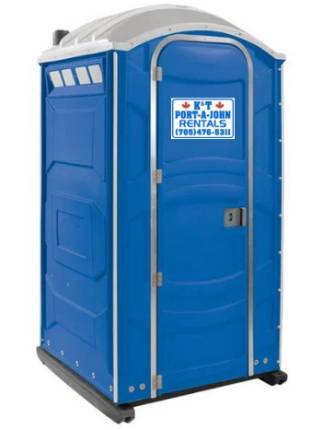
The most common solution involves portable toilet rental services that deliver self-contained units to your location. These standalone facilities have evolved tremendously over the years, offering far more than the basic plastic boxes many remember from decades past. Modern units feature hand sanitiser dispensers, proper ventilation, and sturdy construction that withstands weather and heavy use patterns at busy venues.

For those seeking enhanced comfort, portable bathroom rental options now include luxury trailers that rival permanent facilities. These premium units often feature flushing toilets, running water for handwashing, climate control systems, and interior lighting. Some even include mirrors, coat hooks, and proper flooring that creates an experience virtually indistinguishable from traditional indoor washrooms. The psychological comfort this provides guests shouldn’t be underestimated, particularly at upscale functions.

Cost Comparisons

Traditional restroom installation requires significant investment. Plumbing work alone can run thousands of pounds, not counting fixtures, ventilation, and finishing touches. Then there’s the ongoing maintenance, water bills, and cleaning expenses that continue indefinitely.

Temporary solutions operate on a different financial model altogether. You pay only for what you need, when you need it. Rental periods can span from single-day events to multi-month construction projects. Pricing typically includes delivery, pickup, and regular servicing, making budgeting straightforward and predictable without long-term commitments.

The exact figures vary based on quantity, quality, and rental duration. Basic units might start around £75 weekly, while luxury trailers can reach £1,000 or more for weekend events. Despite seeming expensive initially, these costs pale compared to building permanent facilities for temporary needs.

Flexibility and Placement Benefits

One major advantage of portable options involves their placement flexibility. Units can be positioned strategically across large venues, reducing walking distance for attendees. This proves especially valuable for elderly guests, children, or anyone with mobility challenges at sprawling outdoor events.

Traditional restrooms remain fixed in place, sometimes requiring lengthy treks from main activity areas. This limitation becomes particularly problematic at large festivals, sporting events, or construction sites covering significant acreage. Fixed facilities also cannot adapt to changing crowd patterns or unexpected gathering points that develop during events.

The ability to adjust restroom locations based on real-time needs represents a significant operational advantage. Event coordinators can respond to crowd feedback and move units where they’re most needed, enhancing guest experience while maintaining operational efficiency throughout busy functions.

Maintenance Considerations

Traditional facilities require regular cleaning, plumbing maintenance, and occasional repairs. When problems arise, they often necessitate specialised tradespeople and potentially expensive parts. System failures during critical events can create embarrassing and unhygienic situations with few immediate remedies.

Portable solutions shift maintenance responsibility to the rental provider. Most agreements include regular servicing, waste removal, and replenishment of supplies like toilet paper and hand sanitiser. Should any unit malfunction, providers typically offer replacement guarantees that protect event continuity.

This service model eliminates unexpected maintenance expenses and provides peace of mind throughout your rental period. The responsibility transfer proves particularly valuable for event planners juggling countless details and potential crisis points during complex gatherings or projects.

Environmental Impact Factors

Traditional plumbing systems connect to municipal sewage treatment or private septic systems. They require substantial water usage for each flush, potentially straining resources in drought-prone regions or areas with limited infrastructure capacity.

Modern portable units have become increasingly eco-conscious. Many now feature water-saving designs, solar-powered lighting options, and waste management systems designed to minimise environmental impact. Some premium models use biodegradable chemicals and advanced containment systems that protect surrounding soil and groundwater.

For events promoting sustainability, certain portable options actually align better with green initiatives than traditional high-flow toilets. The reduced water consumption alone creates significant environmental benefits worth considering when planning eco-friendly gatherings.

Accessibility Considerations

Building code-compliant permanent restrooms requires careful design to accommodate users with disabilities. Retrofitting existing spaces often proves expensive and sometimes architecturally challenging in older buildings or unusual venues.

The portable industry now offers specifically designed accessible units that meet regulatory requirements. These specialised rentals include wider doorways, interior turning radius for wheelchairs, grab bars, and lower fixture heights. They arrive ready to use without construction delays or permanent modifications to historical or protected venues.

This accessibility solution provides tremendous advantages for inclusive event planning. Organisers can ensure appropriate facilities for all attendees without permanent structural changes or expensive renovation projects at temporary venues.

Setup Timeline Differences

Constructing traditional facilities typically spans weeks or months, requiring permits, inspections, and multiple contractors. This timeline proves impractical for most temporary needs and adds substantial lead time to project planning phases.

Portable options typically arrive with minimal notice requirements—often just days for standard units and perhaps a week or two for specialty trailers during peak season. Setup usually takes under an hour per unit, allowing last-minute adjustments to changing headcounts or unexpected needs.

This rapid deployment capability provides invaluable flexibility when planning outdoor weddings, corporate functions, or construction projects with tight timelines. The ability to scale services up or down quickly proves particularly valuable when weather changes or attendance projections shift unexpectedly.

Practical Selection Guidelines

When deciding between options, consider these factors:

  • Event duration (anything under six months typically favours portable solutions)
  • Location constraints (remote sites without water/sewer access require portable options)
  • Budget limitations (rentals eliminate capital expenditure for temporary needs)
  • Guest expectations (formal events may warrant premium trailer units)
  • Weather considerations (climate-controlled units for extreme temperatures)
  • Accessibility requirements (dedicated accessible units for inclusive access)

Careful evaluation of these aspects will guide your decision-making process toward the most appropriate solution for your specific circumstances. Remember that mixing approaches sometimes works best—permanent facilities supplemented with portable units during peak demand periods.

Conclusion

Both portable and traditional restroom options offer distinct advantages depending on your specific situation. For temporary needs, the convenience, flexibility and cost-effectiveness of portable solutions typically win out. They provide essential facilities exactly when and where you need them without permanent infrastructure investment or long-term maintenance concerns.

Ready to explore the best sanitation solution for your next event or project? Contact our team today for a customised quote and expert recommendations tailored to your specific needs and budget constraints. We’ll help ensure your guests or workers have comfortable, clean facilities regardless of your location challenges.

Featured Image Source: https://ktportajohn.ca/websites/ktportajohn.ca/ecommerce/products/9/images/main/deluxe-unit-with-flush.png

Affordable Cremation Services in Las Vegas: What You Need to Know

Affordable Cremation Services in Las Vegas: What You Need to Know

Cremation costs in Las Vegas vary widely based on service level, location, and provider. This guide breaks down pricing factors, compares local options, offers money-saving tips, and explains available financial assistance for families during a difficult time.

The loss of a loved one brings enough emotional burden without adding financial stress to the equation. Many families in Las Vegas are turning to cremation as a dignified yet more affordable alternative to traditional burial services. Understanding the costs involved will help you make decisions that honor your loved one while respecting your budget constraints during an already challenging time.

Finding affordable cremation services in Las Vegas requires some research, but the effort can save you hundreds or even thousands of dollars. Basic cremation packages typically start around $900 in the Las Vegas valley, while more comprehensive services with viewings, ceremonies, or premium urns can range from $1,500 to $3,000. These prices reflect significant savings compared to traditional funeral services that often exceed $7,000–$10,000.

By comparison, Tampa cremation services tend to be priced similarly, with direct cremation starting around $900-$1,000. Regional price variations exist nationwide, with metropolitan areas generally commanding higher rates than rural locations.

What Affects Cremation Costs?

Several factors influence the final price tag of cremation services. The type of cremation selected makes the biggest impact—direct cremation costs substantially less than a full-service cremation with viewing and ceremony. Additional services like death certificates, obituary notices, flowers, or reception planning all add to the base price.

The choice of urn represents another variable expense. Basic containers start around $50, while artistic or custom urns can cost $300 or more. Some families choose to purchase urns independently online or at retail stores to save money. Remember that an elaborate container isn’t necessary—what matters most is choosing an option that feels right for your family’s needs and budget.

Location within Las Vegas also affects pricing. Facilities closer to the Strip or in upscale neighborhoods often charge premium rates compared to those in suburban areas. Independently owned cremation providers frequently offer more competitive rates than funeral homes that provide both burial and cremation services.

Comparing Las Vegas Cremation Providers

Pricing transparency varies dramatically among Las Vegas cremation providers. Some advertise “all-inclusive” packages that actually contain hidden fees, while others clearly itemize all costs upfront. When comparing options, always ask for a detailed price list that breaks down exactly what’s included and what costs extra.

The best-value providers typically offer packages that include transportation of the deceased, necessary paperwork, cremation, and return of remains in a simple container. Additional services should be clearly priced as optional add-ons rather than mandatory expenses.

Phone-based price comparisons can save valuable time and emotional energy. Many reputable providers will quote prices by phone or email, allowing you to compare options without multiple in-person visits during a difficult time.

Money-Saving Tips Without Compromising Dignity

Planning ahead represents the single most effective way to reduce cremation costs. Pre-planning allows for price comparison without time pressure and sometimes locks in current rates against future inflation. Some providers offer significant discounts for pre-planned arrangements.

Consider handling certain aspects yourself instead of paying the cremation provider. For example, purchasing an urn separately, arranging your own memorial service, or picking up the remains rather than having them delivered can reduce your expenses without affecting the quality of essential services.

Avoid emotional overspending during the arrangement process. While grief can make it tempting to choose the most expensive options to honor your loved one, remember that the value of remembrance comes from personal meaning, not price tags. A simple, dignified service often provides more comfort than lavish arrangements.

Financial Assistance Options

Families facing financial hardship have several potential resources for assistance. If the deceased was a veteran, the VA provides cremation benefits including free interment in a national cemetery and a free basic headstone or marker. The benefit may also include a modest monetary stipulation toward cremation costs.

Social Security offers a one-time death benefit payment of $255 to eligible spouses or dependent children. While modest, every bit helps when managing expenses. Some counties in Nevada also maintain indigent burial funds for qualifying low-income residents.

Life insurance policies can be used to cover cremation costs, though processing typically takes several weeks. Some cremation providers will work with families awaiting insurance payments, sometimes for a small administrative fee. Always ask about this option if relevant to your situation.

Making Informed Financial Decisions

When comparing cremation providers, look beyond the bottom-line price. Consider reputation, reviews, and transparency in business practices. The lowest price option isn’t always the best value if it comes with poor service or unexpected add-on fees during a vulnerable time.

Request itemized price lists from several providers to make true apples-to-apples comparisons. The Federal Trade Commission’s Funeral Rule requires providers to give detailed price information by phone and written, itemized price lists in person. This consumer protection helps families make informed decisions without pressure.

Keep communication open with family members about financial limitations and priorities. Sharing the decision-making helps ensure that the arrangements honor the deceased while respecting financial realities. Remember that choices made during grief should still align with overall family financial health.

Conclusion

Finding affordable cremation services doesn’t mean compromising on dignity or meaningful remembrance. By understanding cost factors, comparing providers carefully, and utilizing available financial assistance, Las Vegas families can arrange respectful cremation services that fit their budgets.

Take time to research options, ask detailed questions, and consider what would truly matter most to your loved one. For personalized guidance on cremation options that respect both your emotional needs and financial circumstances, reach out to a reputable local provider today to schedule a no-obligation consultation.

Featured Image Source: https://img.freepik.com/free-photo/front-view-burning-candles-as-memory-fallen-black-surface_179666-37792.jpg

Demystifying Cooperative Purchasing Contracts: What Educational Institutions Need to Know

Demystifying Cooperative Purchasing Contracts: What Educational Institutions Need to Know

Cooperative purchasing contracts streamline educational procurement, offering cost savings while reducing administrative burden through pre-negotiated vendor agreements and collective buying power.

Budget constraints squeeze tighter each year. Paperwork piles up, and compliance requirements grow more complex. Finding quality products at reasonable prices feels like searching for a needle in a haystack. These procurement challenges leave many educational institutions scrambling just to keep up, with little time left for strategic initiatives that actually benefit students.

Cooperative Purchasing Agreements

The world of cooperative purchasing contracts offers a potential escape from this procurement maze. These specialized arrangements connect schools with pre-negotiated agreements, helping stretch budgets while reducing administrative workload. Yet despite existing for decades, how exactly these contracts work remains fuzzy for many institutions, as well as whether the promises hold up under scrutiny. Tangible results speak volumes thoughschools using these contracts often report savings between 8–12% alongside dramatic reductions in processing time.

Looking deeper at a cooperative purchasing agreement reveals several unique advantages over traditional procurement methods. Someone else has already completed the competitive solicitation, eliminating the need to create RFPs from scratch. Volume-based discounts typically exceed what individual schools could negotiate alone. Perhaps most appealing? The mountain of paperwork shrinks to a molehill. A process that once took weeks can sometimes be completed in days.

Smart questions separate successful cooperative purchasing from costly mistakes. Who originally negotiated these terms? What exactly are the fees? Do limitations exist that might cause problems later? Seemingly minor details can make or break the value proposition. That attractive 15% discount might look less appealing when coupled with restrictive delivery schedules or limited product selection.

Other Benefits

Beyond pure cost savings, properly implemented cooperative agreements provide additional benefits worth noting. Legal risks decrease through professionally vetted terms and conditions. Access expands to premium products previously out of reach for smaller institutions. Procurement staff gain breathing room to focus on uniquely complex purchases rather than routine acquisitions.

The rosy picture painted by cooperative purchasing organizations sometimes glosses over potential drawbacks. Some contracts lock schools into relationships with vendors delivering mediocre service. Renewal terms occasionally create exit barriers when needs change. Procurement teams might worry about surrendering too much control or missing opportunities tailored to their specific situation.

Success with cooperative contracts requires looking beneath surface-level promises. Forward-thinking institutions carefully evaluate specific needs, research multiple options, and ask probing questions before committing. Regular communication with cooperative organizations ensures terms remain favorable as markets shift and institutional requirements evolve.

Educational procurement increasingly gravitates toward these collaborative models. Ongoing budget pressures combined with growing procurement complexity make solo purchasing inefficient for most institutions. Progressive procurement teams develop expertise in navigating cooperative options rather than clinging to outdated individual purchasing approaches.

Getting Started

For institutions ready to explore this approach, starting with the most time-consuming or expensive procurement categories often yields the greatest immediate benefits. Cafeteria supplies, technology equipment, and facility maintenance typically offer quick wins.

The transition need not happen overnight. Many schools begin with a single category as a test case before expanding. Worth noting toocooperative purchasing doesn’t mean abandoning all independent procurement.

The most successful schools blend these approaches, using cooperative contracts where advantageous while maintaining direct relationships for specialized needs. Getting started simply requires reviewing current spending patterns and identifying areas where standardized products and consistent ordering might benefit from economies of scale.

Featured Image Source: https://cdn.pixabay.com/photo/2020/11/03/15/32/man-5710164_1280.jpg

Legal Support After A Car Accident In Alaska

Legal Support After A Car Accident In Alaska

Car accidents happen all over Alaska’s highways and icy roads and cause serious injuries and severe financial burdens. If you have witnessed such accidents or have been involved, you must take serious action as a resolution. It is important to know your legal rights regardless of whether it is a fender-bender or a major crash. Victims may be entitled to compensation for medical bills, property damage, and pain and suffering after a crash.

When you work with a leading accident law office, you can hire an experienced staff to assist you in dealing with the legal system. Don’t hesitate to reach out and contact an Alaska car accident attorney if you were affected by a crash.

Legal Rights Of Car Accident Victims

You are legally entitled to recover damages if you sustain an injury in a car crash. Damages include your medical bills, lost income, and emotional pain. Alaska uses a comparative fault rule, which means your recovery will be reduced based on your level of fault. Having experienced legal professionals analyze the car accident for liability and maximize your claim is valuable. The sooner you act, the more evidence will be available and deadlines will be met.

Why Choose A Leading Accident Law Office

Whatever the case, a leading accident law office with experience in Alaska will have the legal knowledge, investigative resources, and negotiation talent you need. An experienced Alaska car accident attorney for claimants in Alaska understands the special rules of traffic laws and the nuances of personal injury laws and practices. Attorneys from accident law offices will understand how to navigate the legal process, handle the insurance process, and whatever else your case entails.

They will file your claim, settle with the insurance company and/or represent you in court. You can focus on your recovery while they fight for you. Their objective is a superior outcome, regardless of whether that takes place via a settlement or in court.

The Value Of Hiring An Alaska Car Accident Attorney

It can be daunting when dealing with accident claims if you don’t have an attorney to help you. Contact an Alaska car accident attorney who can be an ally and go to work for you. Alaska injury lawyers review reports of the accident, obtain medical information, and run it by various experts to lay the groundwork for a substantial claim. Alaska car accident lawyers negotiate in good faith with insurance adjusters and help to ensure you do not get coerced into accepting a below-average settlement. When an attorney is involved, you have a better chance of receiving fair compensation and alleviating some worries.

Conclusion

Car accidents can ruin your life, and you do not need to fight the consequences on your own, provided you have proper legal help. If you are facing medical bills, (or lost income or emotional trauma), seeking professional help is paramount. Call a top accident law office or get an Alaska car accident attorney to exercise your rights and begin the process of recovery and economic peace.

Featured Image Source: https://img.freepik.com/premium-photo/close-up-insurance-agent-using-pointing-while-customer-signing-contract_1048944-18163692.jpg

Screen Replacement Costs for Apple Devices: What to Expect

Screen Replacement Costs for Apple Devices: What to Expect

Cracked or shattered screens happen to nearly everyone at some point. That heart-stopping moment when your iPhone slips from your hand and lands face-down on the pavement can quickly turn into shock when you see the damage—and later, when you discover the repair cost. Apple devices, with their premium build quality and components, often come with premium repair costs as well. The price of fixing that cracked screen depends on several factors that many owners don’t consider until they’re facing the problem.

Looking for cheap iPhone repairs near me can feel overwhelming when your device is damaged. The cost range for Apple screen replacements varies dramatically—from $129 for older iPhone models to over $379 for the latest Pro Max versions. This price gap exists because newer models use more expensive OLED and ProMotion display technology. Third-party repair shops typically offer services at 30-50% less than Apple’s official pricing, making them worth considering if you’re working with a tight budget or don’t have AppleCare+.

When searching for cracked screen repair Adelaide services, it’s worth knowing that iPads and MacBooks follow similar pricing patterns to iPhones. iPad screen replacements generally range from $199 for standard models to $699 for iPad Pro models with the latest display technology. MacBook screen repairs are even more expensive, often starting at $400 for Air models and climbing past $800 for MacBook Pro models with Retina displays. These costs reflect the larger screen size and more complex display technology.

Official vs Third-Party Repair Options

Going through official Apple channels for screen replacement offers several advantages. Genuine Apple parts maintain warranty coverage of the device and ensure perfect compatibility with your device. Technicians receive specialised training on Apple products, and repairs come with their own short warranty period. The Apple Store or authorised service providers also test devices thoroughly after repair to ensure everything works properly.

Third-party repair shops present a viable alternative that can save significant money. Many use high-quality compatible parts that function nearly identically to official components. While these repairs might void your warranty if still active, the cost savings often outweigh this concern for older devices. Some shops even offer faster turnaround times than Apple’s official services, sometimes completing repairs within an hour while you wait.

The Impact of AppleCare+ and Insurance

AppleCare+ dramatically reduces screen replacement costs for those who purchase it. This extended warranty service brings screen repair costs down to just $29 for iPhones and $49 for most iPad models. Without this coverage, you’re looking at the full repair costs mentioned earlier. The catch? AppleCare+ itself costs between $149-$269 for two years of coverage depending on your device model.

Home and contents insurance sometimes covers mobile devices, which people often forget to check. Some premium credit cards also include purchase protection that might cover repair costs if the damage occurs within a certain period after buying the device. These alternatives might require paying an excess fee, but this could still be lower than the full repair cost, especially for expensive models like the iPhone Pro Max or MacBook Pro.

DIY Kits and Their Hidden Costs

DIY screen replacement kits appear tempting with their low prices—often $30-60 for older iPhone models. These kits typically include the replacement screen, necessary tools, and basic instructions. For technically-inclined individuals, they might seem like the perfect solution to save money. Yet the reality often proves more complicated than the product descriptions suggest.

The risks with DIY repairs include damaging other components during the repair process. iPhone screens connect to the main board through delicate ribbon cables that tear easily. Water resistance features almost always get compromised during amateur repairs. There’s also the possibility of buying poor-quality screens that have colour issues, reduced touch sensitivity, or shorter lifespans than genuine parts.

Trade-In and Upgrade Considerations

Sometimes replacement doesn’t make financial sense. If your device is already several years old, putting $250+ into a screen repair might not be worthwhile. Apple and many carriers offer trade-in programs that accept devices with damaged screens, though at reduced value. This reduced amount might still contribute significantly toward a new device purchase.

The environmental impact deserves consideration too. Repairing extends your device’s lifespan and reduces electronic waste. Many repair shops and Apple themselves recycle damaged parts properly. This aspect might not save money directly, but it contributes to sustainability efforts that benefit everyone in the long run through reduced resource extraction and manufacturing emissions.

Making Your Decision

Your screen replacement decision should consider factors beyond just the immediate cost. How long do you plan to keep the device? What’s your available budget? Do you need features like water resistance preserved? Each situation calls for different priorities, and there’s rarely a one-size-fits-all answer to the repair versus replace question.

Contact a reputable repair service today to discuss your specific device and damage situation. Most professional repair shops offer free diagnostics and can provide detailed quotes before you commit to any service. Taking this step helps ensure you make an informed decision about your valuable Apple device rather than rushing into an option you might later regret.

Featured Image Source: https://img.freepik.com/free-vector/realistic-vector-icon-set-broken-screen-phone-whole-phone-smartphone-devise-need-repair-isolated-white-background_528282-276.jpg

Travel in Style and Convenience: Why Choose a Luxury Bus for Your Next Group Trip?

Travel in Style and Convenience: Why Choose a Luxury Bus for Your Next Group Trip?

When planning a group outing, corporate retreat, or family reunion, transportation often becomes a logistical headache. Multiple cars mean multiple drivers, separate arrival times, parking hassles, and the constant worry of someone getting lost along the way. These concerns vanish when choosing a luxury bus as your transport solution, offering a stress-free alternative that keeps everyone together from departure to arrival.

The Ultimate Convenience for Group Travel

The luxury bus for rent in the Bangalore market has expanded dramatically in recent years, catering to growing demand from corporate clients and tour groups alike. These vehicles transform travel time from a necessary inconvenience into a pleasant part of the journey. With everyone travelling together, there’s no need to worry about convoy logistics or meeting points. The group arrives and departs as one unit, maximising time spent at the destination rather than coordinating travel details. For corporate retreats and team-building exercises, this collective travel experience begins fostering connections before the official programme even starts, creating valuable informal interaction time.

Comfort Meets Practicality

Securing a luxury bus for rent provides an experience far removed from standard public transport. Modern luxury coaches feature reclining seats, ample legroom, climate control, and often include amenities like WiFi, entertainment systems, and onboard refreshment options. For longer journeys, these comforts make a significant difference in how travellers feel upon arrival. Groups can use travel time productively for briefings, bonding, or simply relaxing before reaching their destination.

Professional Drivers Add Value

One overlooked benefit of luxury bus hire is the professional driver who comes with the vehicle. These experienced professionals handle navigation, traffic, and parking while passengers relax. This eliminates the stress of designating drivers within the group and removes concerns about route planning or finding suitable parking spaces at the destination. Professional drivers also bring local knowledge that can enhance the journey with efficient routes and insider tips. Many luxury coach services provide drivers who have undergone extensive safety training and possess years of experience navigating diverse road conditions, further adding to the peace of mind for all travellers.

Team Cohesiveness Benefits

The shared travel experience aboard a luxury coach creates opportunities for meaningful interaction rarely found when travelling in separate vehicles. Colleagues can discuss projects, friends can catch up, and families can start making memories before even reaching their destination. This shared experience fosters team bonding and creates a sense of unity that continues throughout the trip, making the journey as valuable as the destination itself.

Cost-Effective Luxury

While “luxury” might suggest excessive expense, the economics often work out favourably when all costs are considered. When comparing the combined expense of multiple cars, fuel, tolls, parking fees, and potential rental charges, a single luxury bus often proves surprisingly economical. The cost-per-person decreases significantly as group size increases, making this option accessible even for budget-conscious organisations and groups.

A Professional First Impression

For corporate events, client meetings, or important gatherings, the transportation choice makes a statement. A coordinated arrival in a premium vehicle projects organisation and attention to detail. The brand impression created by this level of planning demonstrates professionalism and consideration for participants’ comfort, setting a positive tone before any formal proceedings begin.

Sustainable Group Travel Option

Environmental considerations increasingly influence travel decisions. A single vehicle transporting twenty or more people creates significantly less environmental impact than five or more separate cars making the same journey. For organisations with sustainability commitments or groups concerned about their carbon footprint, a luxury bus represents a responsible choice without sacrificing comfort or convenience.

Planning Your Luxury Bus Journey

When organising luxury bus transport, consider these key factors:

  • Group size and luggage requirements
  • Journey duration and necessary comfort amenities
  • Potential stops along the route
  • Special requirements like accessibility needs
  • Budget parameters
  • Booking timeline (especially important during peak seasons)

Most reputable luxury bus services offer customisation options to meet specific group needs. From onboard catering for corporate events to themed decorations for wedding parties, these personalised touches can transform standard transportation into a memorable experience. For overnight journeys, some providers offer sleeper coaches with comfortable berths, allowing passengers to arrive at their destination well-rested and ready for activities.

Conclusion

Luxury bus travel transforms group transportation from a logistical challenge into a positive experience that enhances the overall journey. By eliminating coordination stress, providing comfort, and keeping everyone together, this travel option delivers both practical benefits and an elevated experience. For your next corporate event, family gathering, or group adventure, consider how a luxury coach might not just transport your group, but actually improve the entire experience. Book early to secure the perfect vehicle and start your journey in style from the moment you depart.

Featured Image Source: https://www.simplytrip.in/images/bus-rent-delhi-banner.webp

Roofing Permit Process in Los Angeles County: What Homeowners Need to Know

Roofing Permit Process in Los Angeles County: What Homeowners Need to Know

Navigating the maze of acquiring a permit for roofing work in Los Angeles County can be tricky. From application timelines to inspection requirements, understanding these steps saves homeowners time, money, and stress when planning roof projects.

Why Permits Matter for Your Roof Project

Getting a new roof or making major repairs isn’t just about finding the right contractor and materials. For homeowners in Los Angeles County, permits are a critical part of the process that many don’t fully understand until they’re knee-deep in paperwork. Permits might seem like unnecessary red tape, but they protect both the property and its owners by ensuring work meets safety codes and building standards. Skip this crucial step, and you might face hefty fines, complications during home sales, or even be forced to remove the completed work.

Understanding Permit Requirements in Los Angeles County

When planning roof work, connecting with leading Los Angeles roofers who understand local regulations can make a huge difference in the process. Not every roofing job requires a permit, which creates confusion for many homeowners. Generally, if you’re simply replacing a few damaged shingles, you can proceed without a permit. But any structural changes, complete tear-offs, or roof replacements almost always need proper documentation. The rules vary slightly across different cities within LA County, so checking with your local building department is a smart first step.

Application Process and Timeline

Finding the right roofing company in Los Angeles CA that handles permits regularly can eliminate much of the stress from the application process. Homeowners should prepare for a timeline of roughly 2-4 weeks from application to approval, though this varies based on current department workloads. Most applications require detailed project plans, property information, and contractor details. Some cities in the county now offer online application options, while others still require in-person submissions at the local building department.

What Documents You’ll Need

Gathering the right paperwork before starting the permit process saves valuable time. Most building departments need property surveys or plot plans showing property boundaries and existing structures. You’ll also need detailed work plans showing what changes will be made, materials to be used, and structural details if applicable. Proof of homeowner’s insurance and contractor licensing information are typically required as well. Some historic neighborhoods have extra requirements to preserve architectural integrity.

Costs to Expect

The price tag for roofing permits in Los Angeles County isn’t fixed – it varies based on project scope and property value. For standard residential roof replacements, permit fees typically range from $300 to $1,000. These costs include the basic permit fee plus additional charges for plan checks and inspections. Some areas also charge impact fees for construction projects. While these costs might seem high, they’re a small fraction of the total project investment and provide important protections for homeowners.

Inspection Requirements

Once work begins, inspections become the next hurdle in the permit process. Most roof projects require at least two inspections: one after tear-off but before new materials are installed, and a final inspection after completion. Each inspection verifies different aspects of the work, from proper structural elements to correct installation techniques. Missing or failing inspections can lead to redoing work, so scheduling them at the right time is crucial.

Common Problems and How to Avoid Them

The permit process doesn’t always go smoothly. Common roadblocks include incomplete applications, missing documentation, or discovering unpermitted work from previous homeowners during inspections. Some homeowners face delays when plans don’t match building codes or when they’ve selected materials not approved for their area’s fire safety requirements. Working with experienced contractors familiar with local requirements helps avoid these issues before they become expensive problems. 

Special Considerations for Different Roof Types

Los Angeles County’s diverse architecture means different roofing systems face different permit challenges. Flat roofs, common in modern homes, have specific drainage requirements that must be detailed in permit applications. Clay tile roofs, popular in Spanish-style homes, may need structural assessments to ensure the home can support their weight. Solar panel installations combined with roofing work require additional electrical permits and inspections beyond standard roofing requirements.

Conclusion

Navigating the permit process for roofing projects in Los Angeles County doesn’t have to be overwhelming. With proper planning and understanding of the requirements, homeowners can avoid delays and complications. For those preparing for roof work, reaching out to the local building department early in the planning process is the best first step. Consider consulting with experienced roofing professionals who can guide you through the specific requirements for your property and project type.

Featured Image Source: https://biltwellroof.wpenginepowered.com/wp-content/uploads/2014/11/residential/2/tempmain.jpg

Security Guard Service Providers: In-House vs. Outsourced Protection

Security Guard Service Providers: In-House vs. Outsourced Protection

That nagging question keeping Calgary business owners awake: handle security yourself or bring in the pros? It’s not just about spending money—it’s about protecting everything you’ve built. The wrong call could leave your operation exposed when you least expect it.

Finding the right security guard service provider isn’t something to sort out with a quick Google search. Too many business owners convince themselves they’re safe while glaring weak spots remain completely open. The specialized training outsourced guards bring to the table often exposes protection gaps you never knew existed—gaps that could make your business look like an easy mark rather than a hardened target.

We’ve seen countless organizations try handling property guards’ security services themselves, only to get blindsided by unexpected costs and legal headaches they never budgeted for. Without proper background checks, ongoing training programmes, and tested oversight systems, internal security teams quickly become a worrying liability. It’s not about whether you can fit professional security into your budget—it’s about whether you can handle the fallout when undertrained security fails.

Security threats don’t stay still, do they? While your in-house team might settle into comfortable patterns, established security firms constantly reinvent their approach to stay ahead of emerging risks. That’s the difference between real protection and the mere appearance of it. When trouble hits—and the statistics suggest it eventually will—the gap between amateur and professional response might cost you dearly, both in dollars and potentially in safety.

What makes veteran security professionals toss and turn at night? Knowing that most vulnerability assessments happen after a breach, not before. By then, you’re already dealing with the aftermath—damaged reputation, broken customer trust, and financial losses that weren’t in the forecast. Professional security teams earn their keep by spotting these weak points before they’re exploited.

Bringing in outside security isn’t just offloading work; it’s transferring risk to specialists with the proper tools and training. While keeping security in-house means paying those salaries regardless of your changing needs, outsourced protection flexes with your business cycles, delivering coverage precisely when and where it matters. This adaptability proves invaluable for businesses with seasonal patterns or special events.

Let’s talk about the training gap. It’s massive. External security personnel undergo thorough vetting, provincial certification, and mandatory continuing education that would cost most businesses a small fortune to replicate internally. This expertise becomes glaringly apparent during those critical moments when split-second decisions determine outcomes.

Have you checked what your insurance broker thinks about your security setup? Many organizations don’t realize their liability exposure skyrockets with in-house security staff. Professional security companies carry specialized insurance coverage designed specifically for security operations, potentially shielding your business from claims that could otherwise prove catastrophic.

The tech advantage can’t be overlooked either. Leading Calgary security providers leverage surveillance systems, communication networks, and response protocols that would require significant capital investment for an in-house team to match. This technological edge often means preventing incidents rather than just documenting them after the fact.

The real question isn’t whether your organization needs security—it’s whether you can afford to treat it as anything less than a specialized service requiring professional expertise. In today’s climate, security isn’t merely about watching your physical assets—it’s about safeguarding your organization’s future, local reputation, and peace of mind. The right security partner doesn’t just protect what you have; they free your business to focus on what you do best.

Featured Image Source: https://cdn.pixabay.com/photo/2013/07/12/14/08/surveillance-147831_1280.png

Selecting the Right Flexible Hose: A Procurement Manager’s Guide

The nightmare scenario keeps many procurement specialists tossing at night. Imagine – a critical production line grinds to a halt. Workers stand idle. Deadlines loom impossible. All because a supposedly “industrial-grade” hose couldn’t handle routine demands. This isn’t mere inconvenience – it’s a direct assault on your company’s bottom line and your professional judgement.

Smart managers recognise the stakes when they set out to buy flexible hose components. The marketplace teems with confusing choices, each touting remarkable capabilities and unbeatable value. Yet beneath glossy catalogue photos lurk crucial differences that determine whether you’ll be celebrated for operational excellence or explaining costly failures to increasingly impatient directors. Your selection doesn’t merely represent a line item expense—it establishes fundamental reliability throughout your entire system.

Many procurement specialists glance only briefly at hydraulic hose specifications before making decisions, focussing excessively on cost comparisons. This cursory approach overlooks vital considerations like burst pressure safety factors, material degradation timelines, and connection integrity under vibration. Such oversights inevitably manifest as emergency maintenance situations, typically during peak production periods when alternative arrangements prove most costly. Industry data suggests improperly specified fluid transfer systems contribute to approximately Rs 126 crore in preventable downtime losses across Indian manufacturing annually.

Beyond immediate replacement expenses lurks a shadow economy of hidden costs. Each production interruption triggers cascading consequences—rushed deliveries to compensate for missed schedules, overtime labour authorisations, and damaged client relationships that prove difficult to quantify yet impossible to ignore. Factor in emergency procurement fees and expedited shipping charges, and the real expense of an inappropriate hose selection often reaches 18-22 times the seeming bargain realised during initial purchase.

Worker safety considerations magnify these concerns considerably. A suddenly ruptured high-pressure line creates hazardous conditions instantaneously. Hot fluids, chemical exposure, whipping hose ends—each presents serious injury potential. Beyond the human tragedy lies significant corporate liability exposure and potential regulatory scrutiny from safety authorities. Recent workplace violation penalties have reached upwards of ₹15 lakh per serious incident, with additional compensatory damages often following.

Today’s procurement specialists navigate competing organisational priorities with remarkable skill. Operations demand maximum reliability. Finance scrutinises every expenditure. Safety officers require absolute compliance with evolving standards. Balancing these seemingly contradictory mandates requires authentic expertise—not merely catalogue comparison capabilities.

Thankfully, a methodical approach to flexible hose selection yields consistently superior outcomes. Begin with comprehensive application analysis. Document maximum pressures, temperature fluctuations, chemical exposures, and mechanical stress patterns the system must withstand. Create detailed requirement profiles that eliminate unsuitable options before evaluation begins. This preparatory investment pays tremendous dividends through dramatically narrowed selection parameters.

Quality manufacturers provide detailed technical documentation outlining performance capabilities across diverse operating conditions. Evaluate these specifications against your requirements while maintaining appropriate safety margins. Remember that consistent operation near maximum rated capabilities dramatically shortens service life expectancy. Optimal solutions function comfortably within design parameters, delivering extended service intervals and predictable performance.

Connection systems warrant equal consideration during evaluation. These transition points frequently represent system vulnerabilities, particularly under pressure cycling and vibration. Ensuring complete compatibility between hoses and fittings establishes system integrity. Even premium-quality hoses deliver disappointing results when paired with inappropriate connection technologies.

Experienced procurement professionals leverage supplier expertise throughout the selection process. When manufacturers understand your specific operational challenges, they frequently recommend optimised solutions addressing both obvious and subtle requirements. This collaborative approach often reveals options delivering superior performance characteristics than initially considered alternatives.

By embracing these principles, procurement specialists protect operations against unnecessary disruptions while delivering authentic long-term value transcending initial acquisition costs. The proper flexible hose represents far more than commodity procurement—it constitutes a strategic investment in operational excellence.

Featured Image Source: https://www.jreltd.com/images/ptfe-hoses/pic1.jpg

Plumbing Upgrades That Increase Your Home's Value

Plumbing Upgrades That Increase Your Home’s Value

Introduction: The Hidden Value in Your Pipes

Most homeowners think about kitchen remodels or fresh paint when considering value-adding improvements. Yet, what lies behind the walls often matters just as much to savvy home buyers. Plumbing upgrades, though less visible than cosmetic changes, can dramatically increase a property’s worth while providing immediate benefits to the current residents. These improvements range from simple fixture replacements to complete system overhauls, each offering its own return on investment.

Smart Investments Start with Professional Assessment

Before diving into any plumbing project, homeowners should consult a local plumber in my area for a comprehensive evaluation of their existing plumbing systems. These professionals can identify which upgrades would yield the greatest value for a specific property. Older homes might require fundamental improvements like pipe replacement, while newer constructions might benefit more from efficiency upgrades. The right professional assessment prevents wasted money on unnecessary changes and ensures improvements truly add value.

Addressing Problem Areas First

Nothing devalues a home’s value faster than existing plumbing issues. Water stains, slow drains, or persistent clogs suggest more serious problems lurking beneath. Professional emergency drain cleaning services can reveal whether these symptoms indicate minor blockages or major system failures. Addressing these issues before they escalate not only preserves current value but prevents the substantial costs of water damage repair. Smart homeowners recognize that fixing problems today prevents valuation nightmares tomorrow.

High-Impact Bathroom Upgrades

Bathrooms receive particular scrutiny from potential buyers, making them perfect targets for value-adding improvements. Low-flow toilets, modern shower heads, and water-efficient faucets appeal to environmentally conscious buyers while promising lower utility bills. Replacing outdated fixtures with stylish, efficient alternatives transforms bathrooms from functional spaces into selling points. These relatively inexpensive upgrades offer impressive returns when properly highlighted during the selling process.

Kitchen Plumbing That Impresses Buyers

Kitchens remain the heart of most homes, and their plumbing features significantly impact buyer perception. Installing a high-efficiency dishwasher connection, adding a pot-filler above the stove, or upgrading to a touchless faucet combines practicality with luxury appeal. Modern garbage disposal systems and dedicated water filtration represent relatively small investments that can set a property apart from comparable listings. These upgrades speak to both convenience and quality of life.

Water Heater Modernization

Few plumbing upgrades offer better combined utility savings and buyer appeal than modern water heater systems. Tankless models provide endless hot water while reducing energy consumption by up to 34% compared to traditional units. Hybrid heat pump water heaters, though more expensive initially, deliver even greater long-term savings. For cost-conscious homeowners, even insulating an existing water heater and installing recirculation pumps can improve efficiency while demonstrating thoughtful maintenance to potential buyers.

Whole-House Water Systems

Water quality concerns have made filtration and softening systems increasingly desirable features. Whole-house water filtration removes contaminants, improves taste, and extends the life of appliances. Water softeners prevent scale buildup in pipes and fixtures, preventing premature replacements. These systems typically cost between $1,000 and $3,000 but can add significantly more to a home’s perceived value, especially in areas with known water quality issues.

Outdoor Plumbing Considerations

Exterior plumbing improvements offer both aesthetic and functional benefits. Dedicated irrigation systems with smart controllers reduce water waste while maintaining attractive landscaping. Frost-proof outdoor faucets prevent seasonal damage and impress buyers with their thoughtfulness. Even simple additions like convenient hose placements or outdoor sinks for gardening enhance a property’s usability and appeal to specific buyer interests without requiring major investments.

Conclusion: The Return on Plumbing Investment

Thoughtful plumbing upgrades represent some of the smartest pre-sale investments homeowners can make. Unlike purely cosmetic improvements, quality plumbing enhancements deliver both immediate benefits and long-term value. Potential buyers recognize and willingly pay premiums for homes with reliable, efficient, and modern plumbing systems. For homeowners considering which improvements to prioritize before listing, consulting with experienced plumbing professionals offers clarity and direction. Schedule a comprehensive plumbing assessment today to discover which specific upgrades would most significantly increase your home’s market value.

Featured Image Source: https://img.freepik.com/free-photo/asian-plumber-blue-overalls-clearing-blockage-drain_1098-17773.jpg

Emergency drain cleaning service

Signs Your Home Needs Professional Drain Cleaning: A Homeowner’s Guide

Recognize warning signs of drain issues before facing costly emergencies-early detection saves money and prevents disgusting water damage disasters down the road.

That weird, obnoxious glug-glug from your kitchen sink? It’s not just driving you crazy-it’s a cry for help from your home’s plumbing system. Most folks shrug off these early warning signs until disaster strikes. By then, you’re ankle-deep in dirty water, frantically mopping while trying not to gag from the smell.

Desperate homeowners frantically Google “drain cleaning near me” once water starts backing up, but smart property owners recognize the subtle hints before catastrophe hits. Nobody wants to deal with sewage overflow ruining their new carpet or family photos. Even worse, that backed-up water can hide dangerous bacteria that might make your kids or pets sick-something no parent wants to think about.

When your Sunday dinner is interrupted by completely blocked pipes, an emergency drain cleaning service becomes your only option-and weekend rates aren’t cheap! Monday morning emergency calls follow a frustratingly common pattern: “It was draining a little slow last week, but now nothing’s going down at all!” Professional plumbers shake their heads, knowing this crisis could’ve been avoided.

Warning Signs Your Drains Need Professional Attention

Trust your nose! That funky smell creeping up from your drains isn’t normal-it screams “bacteria party” happening in your pipes. Nobody wants their bathroom to smell like a forgotten gym bag.

Do you have multiple slow drains throughout your house? Forget the cheap liquid drain opener. You’ve got deeper troubles when your upstairs bathroom, kitchen sink, and laundry drain are sluggish. Those store-bought chemicals might even make things worse by corroding older pipes.

The absolute grossest red flag is water playing musical chairs in your plumbing. Flush the toilet, and water bubbles up in the shower. Run the washing machine and water gurgles in your basement drain. Yuck! This disgusting game signals a main line clog that needs immediate professional attention.

Benefits of Professional Drain Cleaning

Pro drain cleaning doesn’t just fix today’s blockage-it stops tomorrow’s emergency. Modern equipment scrubs pipe walls clean, removing years of gross build up that’s been narrowing your pipes slowly.

The coolest part of professional service? Camera inspections that spot brewing disasters. Tree roots secretly invading your sewer line or a crack letting dirt into your pipes won’t show obvious symptoms until significant damage happens. Catching these early can save thousands-money better spent on anything else.

Most folks don’t realize their slow-draining sink works like a ticking time bomb. Those backed-up pipes create pressure that strains connections and weakens seals. Before you know it, water’s seeping behind walls, under floors, and into places you can’t see until the damage becomes extensive.

Preventing Future Drain Problems

Simple household habits can dramatically reduce your drain drama. Those cheap little drain catchers are lifesavers, trapping hair and food chunks before they cause problems. And please-that bacon grease doesn’t belong down any drain! Let it cool and toss it in the trash instead.

Monthly five-minute maintenance beats emergency repairs every time. Just running scalding hot water down drains for several minutes helps melt away soap scum and light grease before they harden into concrete-like clogs.

Featured Image Source: https://images.pexels.com/photos/9462652/pexels-photo-9462652.jpeg